
The Harvest Moon will occur this Saturday: What makes it different from other full moons?
The Harvest Moon will light up the sky this Saturday, but its name has nothing to do with a change in its size, color, or brightness. This full moon gets its special name from its connection to the autumn equinox and a centuries-old tradition that helped farmers extend their harvesting hours.
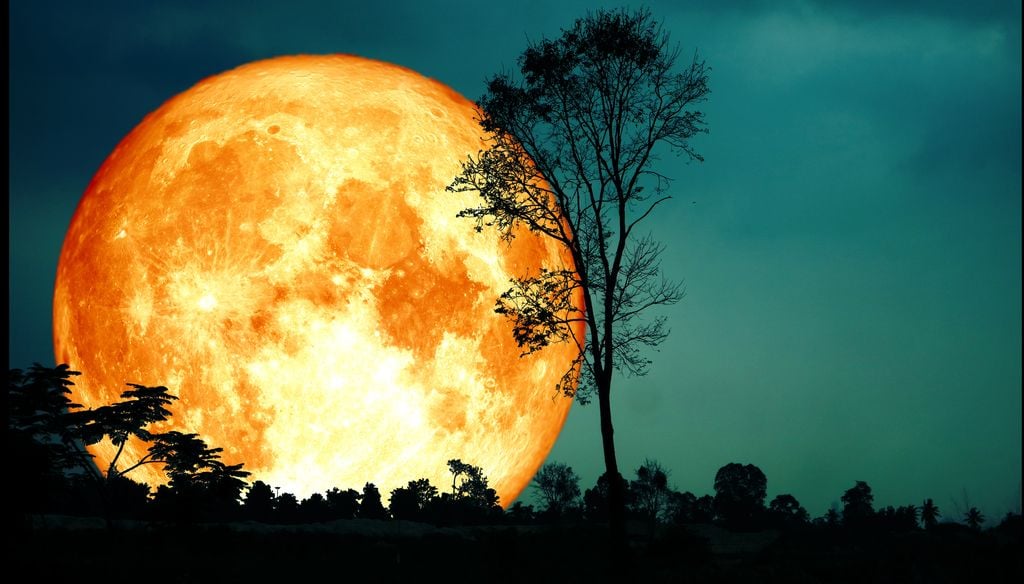
The difference lies in another detail you can observe over several consecutive evenings: around this time of year, the Moon’s rising time changes less than usual from one night to the next. For centuries, this particular feature served a very practical purpose.
What is the Harvest Moon, really?
The Harvest Moon is the full moon that occurs closest to the September equinox, which marks the beginning of astronomical fall in the Northern Hemisphere. This year, the equinox occurred on September 22, and the full moon arrives four days later, on September 26.
This means it does not always occur in September. Depending on how the lunar phases line up with the equinox, it can also fall in early October, as it did in 2025.
Throughout the year, our satellite rises an average of about 50 minutes later each night. Near the Harvest Moon, that interval becomes shorter, although the exact difference depends on latitude.
The origin of its name
The origin of the name is directly related to the time the Moon rises. In the days around the Harvest Moon, our satellite rises relatively soon after sunset for several consecutive evenings, without the nearly one-hour delay that can occur at other times of the year.
What time can you see the Harvest Moon in the United States?
The Moon will officially reach its full phase on Saturday, September 26, at 12:49 p.m. EDT, 11:49 a.m. CDT, 10:49 a.m. MDT and 9:49 a.m. PDT. It will still be daytime across the country at that time, so you will have to wait until evening to see it. The exact moonrise time will depend on your location.
It will also appear almost completely illuminated the night before and the night after. If you want to watch it rise, look for a location with a clear view of the eastern horizon.
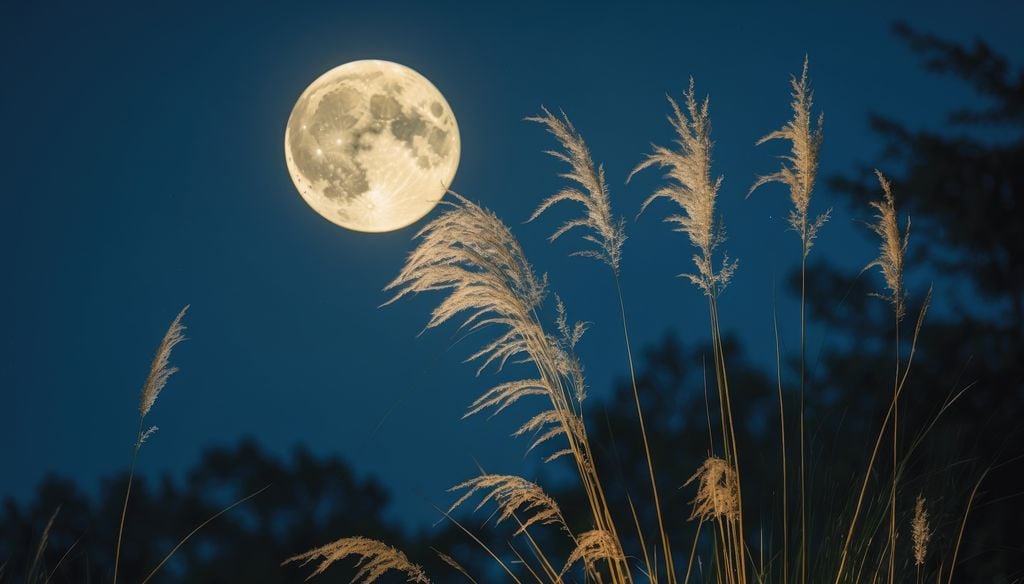
Near the horizon, the Moon may appear yellow or orange. This happens because its light travels through more of Earth’s atmosphere before reaching our eyes. Along the way, shorter wavelengths, such as blue light, are scattered more easily, allowing yellow, orange and reddish tones to dominate.
Does the Harvest Moon have a greater effect on tides?
The Harvest Moon does not have a greater effect on tides than any other full moon. During this phase, the Sun, Earth and Moon are approximately aligned, so their gravitational effects combine, increasing the difference between high and low tide. These are known as spring tides.
Spring tides also occur during the new moon. How high the water rises along a particular coast depends on other factors, including the shape of the coastline, ocean depth, wind and weather conditions.
News reference
Lawrence, P., Todd, I.. (2026). The 2026 Harvest Moon is coming – and this year it's joined by Saturn in the evening sky.