
The Presence of Subsurface Water Suggests That Mars Was Habitable for an Extended Period
A new study reveals that water once flowed beneath the Martian sand dunes. This could mean the planet had habitable conditions for longer than previously thought. This finding strengthens the search for extraterrestrial life on Mars.
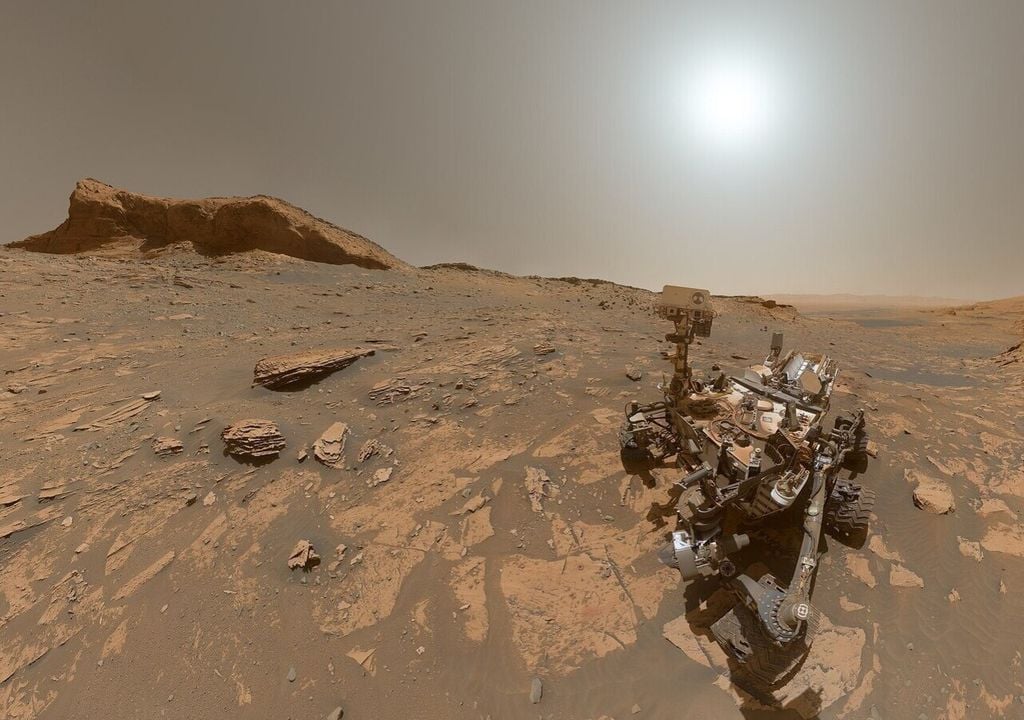
New geological analyses are reinforcing the idea that Mars may have been habitable in the past. Researchers have found evidence that water once circulated beneath the sand dunes of Gale Crater for long periods, possibly much longer than previously thought.
Scientists at New York University Abu Dhabi (NYUAD) have discovered that the ancient dunes in the crater gradually solidified over billions of years after repeated contact with groundwater. The study’s results were published in the journal Journal of Geophysical Research – Planets.
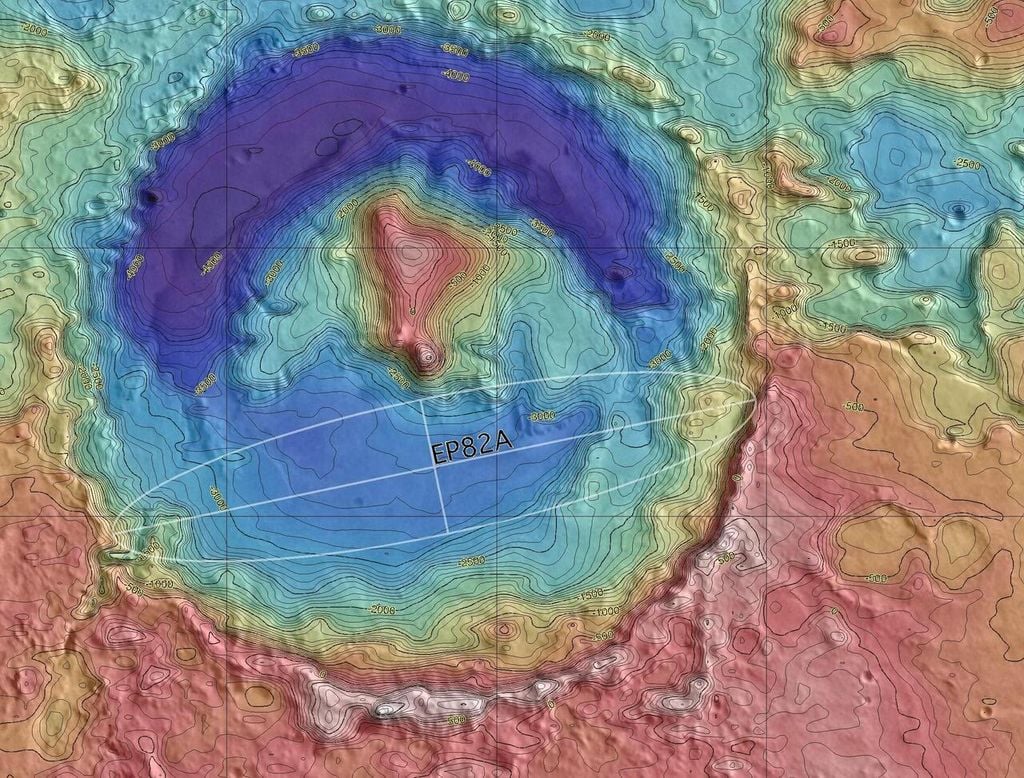
Gale Crater is a 154-kilometer-wide crater located on Mars. Since 2012, the Curiosity rover has been exploring it as part of a geological expedition in search of a habitable world on the planet.
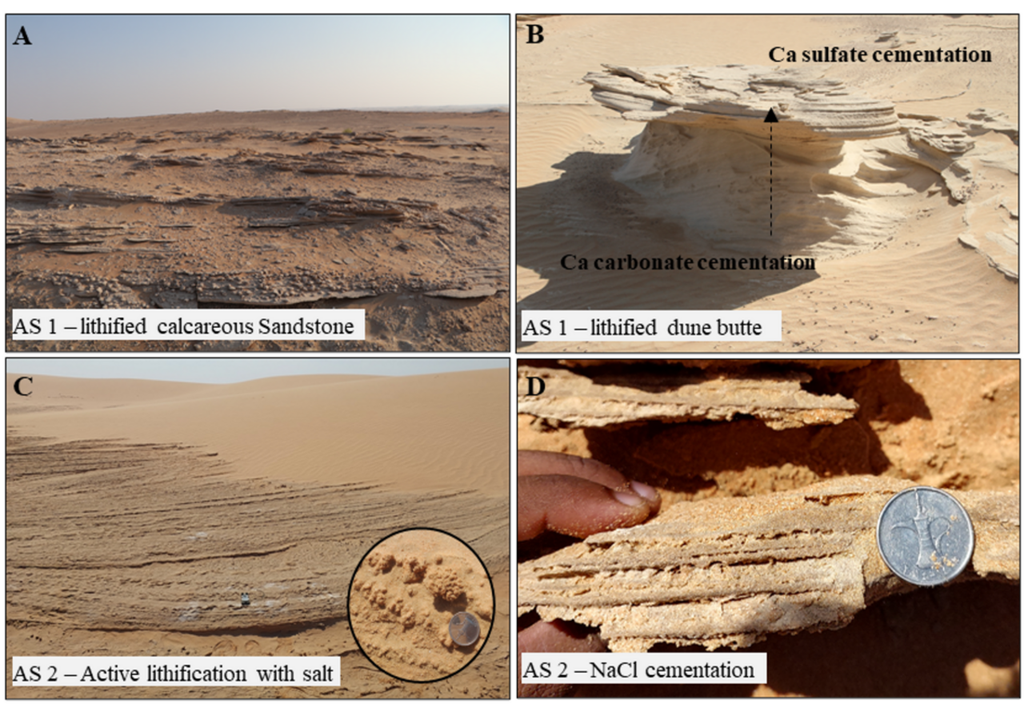
Led by astrophysicist Dimitra Atri and colleague Vignesh Krishnamoorthy, the research team analyzed high-resolution data from NASA’s Curiosity rover. They also examined rock structures in the deserts of the United Arab Emirates that formed under similar conditions and turned out to be Earth analogues.
Searching for Life
The researchers found that, in the past, water seeped down from a nearby hill inhabited by marsupials into fine cracks in the dunes. This process saturated the sand from below and deposited minerals such as gypsum, which is also typical of past water activity in arid regions on Earth.
These minerals can, under certain conditions, trap and preserve organic matter. This makes the affected rock layers potential targets for future missions searching for biochemical traces of past life.
– Dimitra Atri, Center for Astrophysics and Space Science, New York University Abu Dhabi
This finding contradicts the prevailing assumption of a rapid transition from a wet Martian environment to a dry one. Instead, it paints the picture of a planet that, over long periods, featured local refuges where water—and therefore, potentially life—could have persisted.
The findings fit into a broader picture that makes Gale Crater one of the most promising locations for astrobiological research. The Curiosity rover had already provided evidence of intermittent moisture, but the new study highlights the possibility of groundwater-like systems that remained active even during drier periods.
This highlights a largely overlooked scenario: that life—if it ever existed on Mars—may not have survived on the surface, but sheltered underground. And it is precisely there, as the new data suggest, where the search is more valuable than ever.
News reference
Lithification of Eolian Sediments by Late-Stage Aqueous Activity in Gale Crater: Implications for Habitability on Mars, Krishnamoorthi, V., Atri, D., Weston, J., Al-Handawi, M. B., and Naumov, P. (2025): JGR Planets, 130, 11, e2024JE008804.