
Between steam and volcanoes: the Icelandic tradition of geothermal baths
Soaking in outdoor hot springs is a deeply rooted custom in Iceland, where nature, wellness and community converge, something that has recently been declared a World Heritage Site by UNESCO.
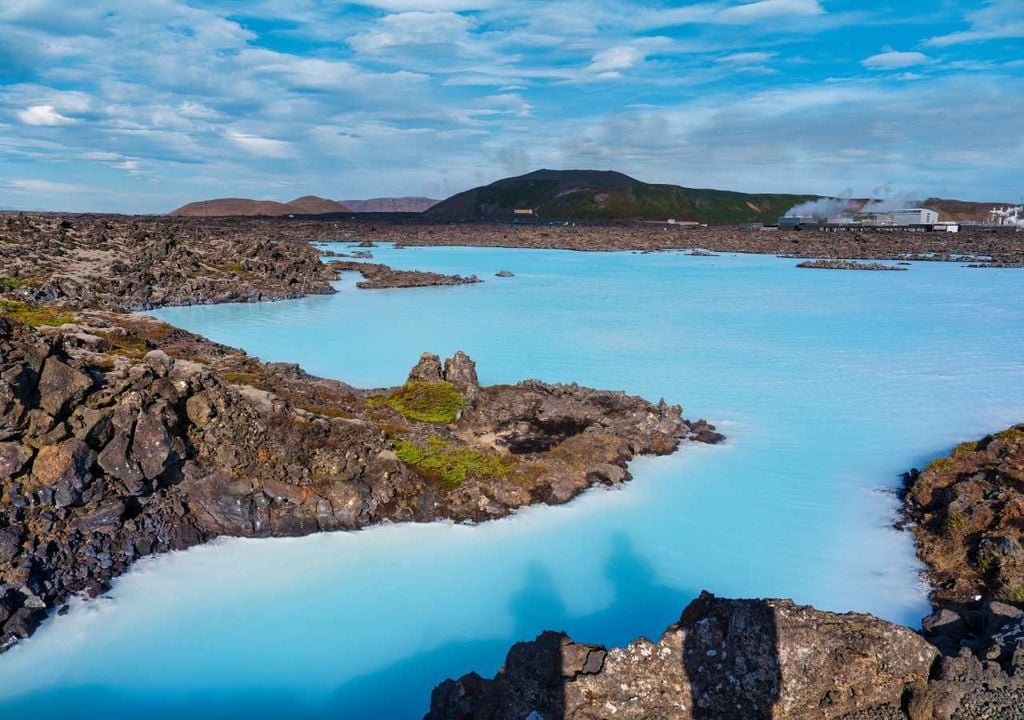
In an increasingly fast-paced world, Iceland offers an example of how simple practices can have a profound impact on quality of life.Amid geothermal steam, volcanic landscapes, and peaceful conversations in the water, the Icelandic bath reveals itself not only as a daily habit, but as a true cultural expression that continues to shape the country's identity.
This so-called "culture of pools and geothermal bathing" has been recognized by UNESCO as Intangible Cultural Heritage of Humanity, highlighting its social, cultural and historical value.
Geothermal energy in everyday Icelandic life
Located amidst intense volcanic activity , Iceland boasts an abundance of natural hot springs. This geothermal energy is used to heat homes, generate electricity, and, most importantly, supply the hot springs and lagoons scattered throughout the country.
A FREE geothermal soak often comes with free algae ️
— Guide to Iceland (@guidetoiceland) June 27, 2025
In the Icelandic countryside, you can find many natural hot springs to bathe in
Just be aware that they might come with a fair share of mud, algae, and, well, nature #iceland pic.twitter.com/gCSCB8cQC7
Over time, these waters have become an integral part of the Icelandic lifestyle, offering both physical and mental benefits , while also serving as important spaces for social interaction.
In mountainous regions like Kerlingarfj��ll, for example, the baths are nourished by mineral-rich waters, including iron , which gives them a distinctive tone and calming properties for the skin.
These baths are highly valued not only for the relaxation they provide, but also for their potential therapeutic effects , such as relieving skin irritations or improving blood circulation.
From nature to famous lagoons
Beyond the natural springs found in remote areas of the country, there are also renowned geothermal complexes such as the Blue Lagoon , whose silica-rich waters have become famous for their beneficial properties for the skin.
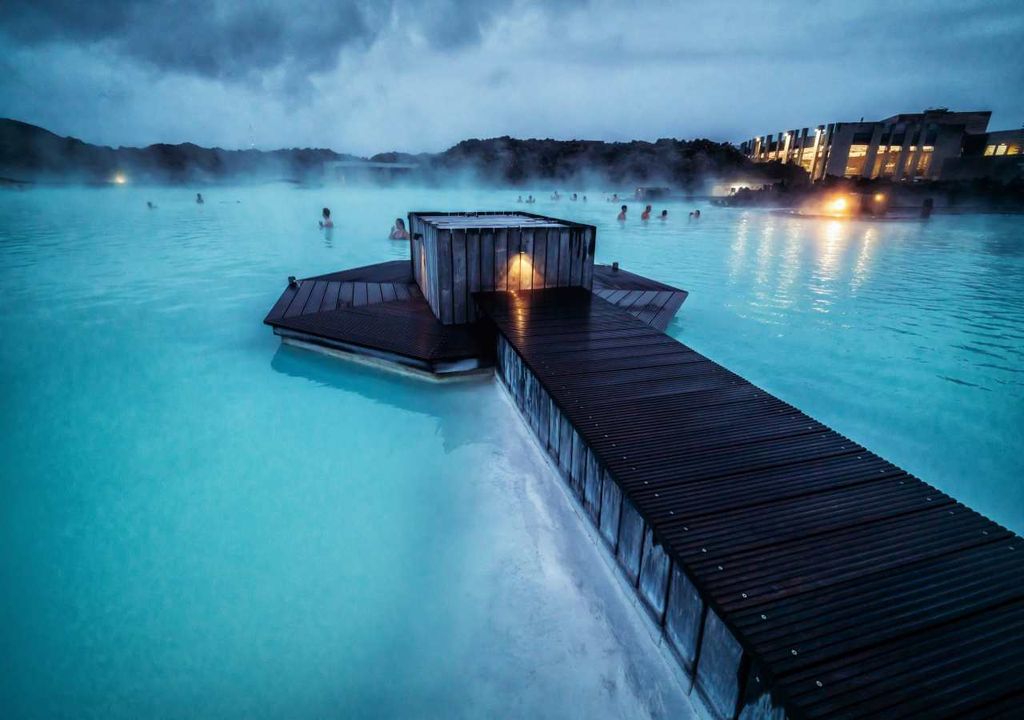
The lagoon emerged unexpectedly when excess water from a geothermal power plant began to accumulate in a lava field. Over time, local workers began bathing there, and some reported improvements in skin conditions, sparking scientific interest and leading to the establishment of a specialized clinic in the 1990s.
A space for social interaction and equality
However, the true meaning of Icelandic bathing culture goes far beyond physical benefits. Public swimming pools are considered democratic and inclusive spaces, where people of different ages, backgrounds, and professions meet on equal footing. In these places, it's common to see families, friends, and even strangers chatting while relaxing in the warm waters.
Often, the "hot tubs"—small pools of very hot water—function almost as informal debate chambers where everyday topics or political issues are discussed.
It is estimated that around 79% of Icelandic adults frequent public swimming pools , demonstrating the central role these spaces play in the country's social life.
There are more than a hundred swimming pools scattered throughout the country; many of them are maintained by local communities and are accessible at relatively low prices.
A tradition passed down from generation to generation
This infrastructure network helps ensure that the habit of swimming and visiting thermal baths is passed down from generation to generation. Icelanders' relationship with water begins at a young age. Children are often taken to swimming pools as babies, and learning to swim has been part of the school curriculum since the early 20th century.
This is hot spring heaven!
— Guide to Iceland (@guidetoiceland) November 7, 2025
Hvammsvík Hot Springs is located in a stunning fjord just an hour's drive from Reykjavík
We expecially love it during winter when it's surrounded by snow-covered mountaintops ️️ pic.twitter.com/UWUU79u86x
Over the years, these experiences have helped solidify the pool's status as a family and social space where different generations regularly gather. Another important aspect of this tradition is the direct connection with nature. Many geothermal baths are nestled in breathtaking landscapes, surrounded by lava fields, mountains, or volcanic fumaroles.
Thus, the simple act of immersing oneself in a warm pool can be transformed into an almost meditative experience , in which the silence and the steam emanating from the water contribute to generating a feeling of tranquility and well-being.
The organization believes that Icelandic swimming pool culture promotes physical and mental well-being, while strengthening social bonds and a sense of belonging among its inhabitants. By celebrating this tradition, they also seek to encourage its preservation for future generations.