
The line you should never cross on social media to protect your mental health
As expected, a new US study links heavy social media use to an increase in reported cases of depression among adults. The tipping point appears to be around two and a half hours per day.
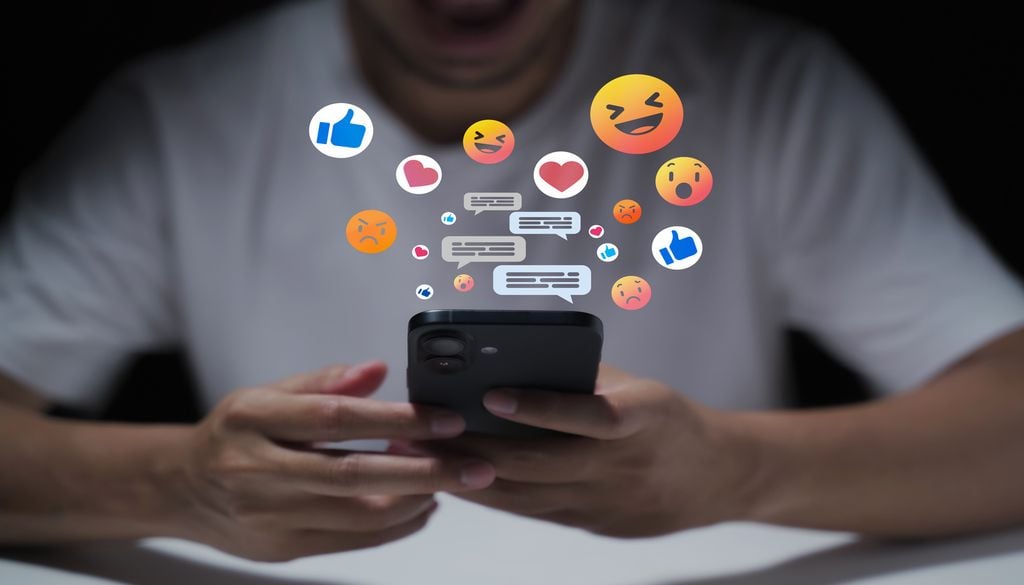
It's happened to all of us: a Sunday night, feeling a bit tired, we lie down on the sofa with our phones, open Facebook, TikTok, or Instagram, and scroll and scroll ... until we realize we've spent over an hour scrolling through content about topics we're more or less passionate about, interspersed with a good dose of advertising.
And we feel even more exhausted after wandering aimlessly like this, without having gained much. This feeling of weariness is not surprising when we consider that the time we spend on social media can be detrimental to mental health , especially in teenagers, though not exclusively.
A group of 183,000 Americans surveyed over 11 years
In 2025, a publication in the European Journal of Health, Psychology and Education Research concluded that depressive symptoms could be reduced simply by decreasing the time spent on these platforms . But at what point can social media seriously affect our mood? According to the newspaper Ouest-France , a study published in NPJ Mental Health Research provides new data to understand this question.
Participants reported on their social media habits and indicated their health problems from a list of 31 conditions, including depression. It should be noted that this information was self-reported; they were not examined by a doctor for the study.
However, thanks to a sample of this size, scientists found a significant association between certain digital practices and the deterioration of mental health.
A greater increase in depression among teenagers
First observation: the increase in self-reported depression, which rose from 15% to 22% between 2014 and 2024 in the general population, and from 15% to 25% among young people aged 18 to 25. By relating these figures to time spent on social media, researchers associate each additional hour per day on these platforms with an approximately 17% increase in the risk of reporting depression.
Their model estimates that feelings of depression arise after about two and a half hours of daily social media use ; a threshold that, according to the researchers, requires further analysis through complementary studies.
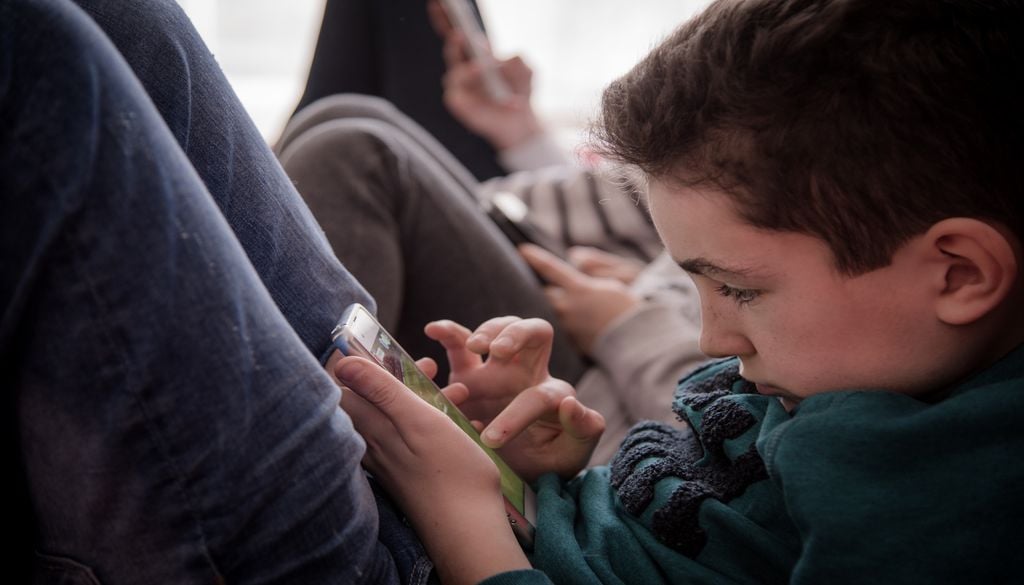
However, according to the authors of the study, social media use appears to be a better predictor of depression than other common factors, such as employment, education level, or screen-based activities such as video games, internet browsing, or television.
However, questions arise. Doesn't depression lead to more intensive use of these platforms? For Hans Breiter , lead author of the study, the relationship is clear enough to raise alarm bells : "Social media is harmful to people of all ages," the researcher states. "We shouldn't subject ourselves to a product that uses the science of addiction to maximize our screen time."
In the case of younger users, the European Union is currently studying the possibility of prohibiting access to social networks for children under 13 years of age under the EU KIDS Act .
Last month, the European Commission approved the law to strengthen online safety for children across the EU. The legislation has begun its legislative process and is expected to be approved quickly.
News reference
leditiondusoir. (Martes, 29 de septiembre de 2026). Les réseaux sociaux peuvent-ils mener à la dépression ? Voici la limite qu’il ne faudrait pas dépasser d’après une étude.