
The Park That Existed Before Yellowstone: The Millennia-Old Sanctuary Hidden in the Mountains of Mongolia
Long before Yellowstone, Mongolia was already protecting a sacred mountain where nature and spirituality have coexisted for more than two centuries, just a few kilometers from a modern capital.
When people talk about great national parks, almost everyone immediately thinks of the United States and, nearly without exception, Yellowstone. Geysers, bison, vast landscapes, and the pride of being considered the world’s first national park.
However, long before the modern concept of a “park” existed, there were already places protected for spiritual, political, and ecological reasons. They were sacred spaces where nature was safeguarded by decree and by belief. And one of them still stands, silent and majestic, right in the heart of Asia.
A Sacred Mountain at the Gates of Ulaanbaatar
We are referring to Bogd Khan Uul, which rises south of Ulaanbaatar, the capital of Mongolia, just a few kilometers from the urban bustle. This very proximity is what makes it so unusual: a millennia-old natural sanctuary next to a modern capital.
Its name can be translated as “the sacred mountain of Khan Bogd,” a direct reference to its spiritual character. From the steppe, its forested silhouette breaks the endless horizontal landscape of Mongolia, signaling an ecosystem radically different from its surroundings.
Protected Long Before the Concept of a National Park Existed
The greatest uniqueness of Bogd Khan Uul is not only natural, but historical. In 1778, nearly a century before Yellowstone was established in 1872, Qing Emperor Qianlong officially decreed its protection.
Watching a TV documentary they say again that the oldest National Park in the world is Yellowstone, USA (1872).
Dr Angel Borja (@AngelBorjaYerro) March 18, 2023
NOOOOOOOOOOOOOO, it's Bogd Khan Uul National Park, Mongolia (1783)
Pay attention to the details pic.twitter.com/sAOBdjaWEB
Hunting, logging, and any form of exploitation were prohibited. The reason was neither tourism nor science: the mountain was considered sacred by Buddhism and Mongolian shamanism.
For centuries, this protection remained intact thanks to religious rituals and imperial rules. It is therefore one of the earliest documented examples of large-scale environmental conservation, even though it was born from spirituality rather than modern ecology.
A Biosphere Reserve and National Symbol
In 1996, Bogd Khan Uul was recognized by UNESCO as a Biosphere Reserve, cementing its international importance. Mongolia considers it a national symbol of balance between nature, culture, and ancestral beliefs. It is not just a protected area: it is a place of pilgrimage, identity, and collective memory.
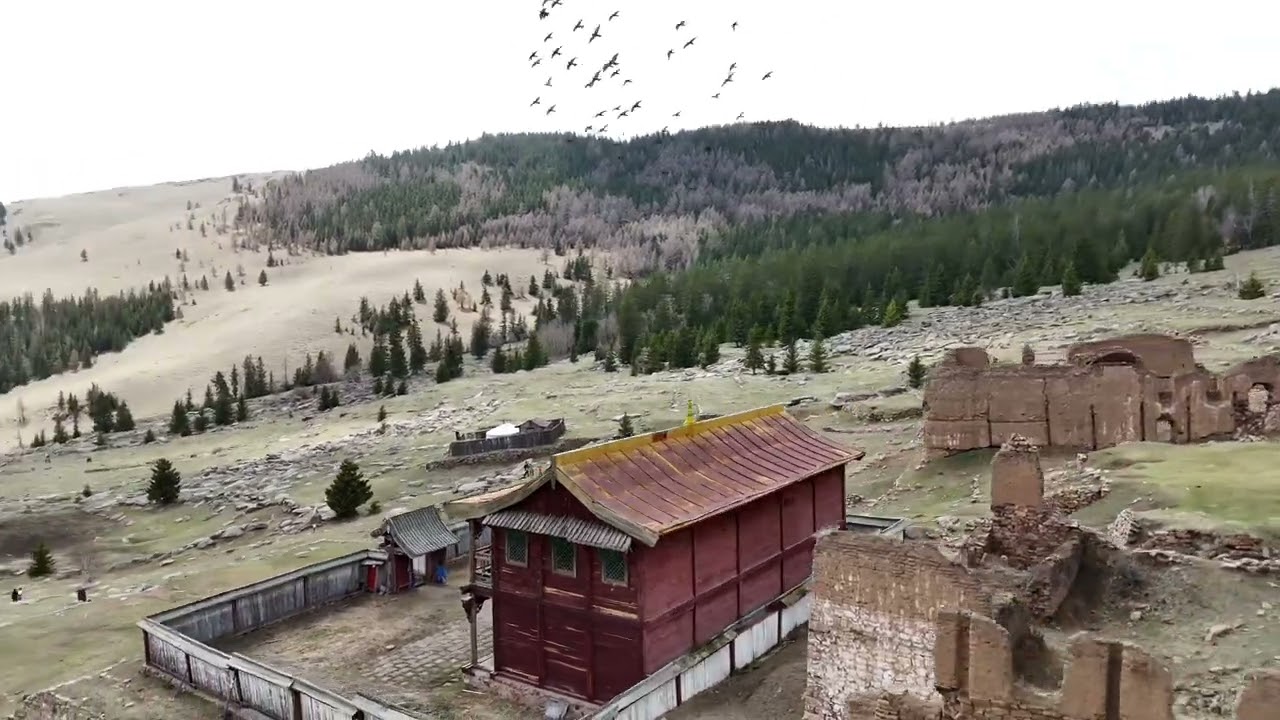
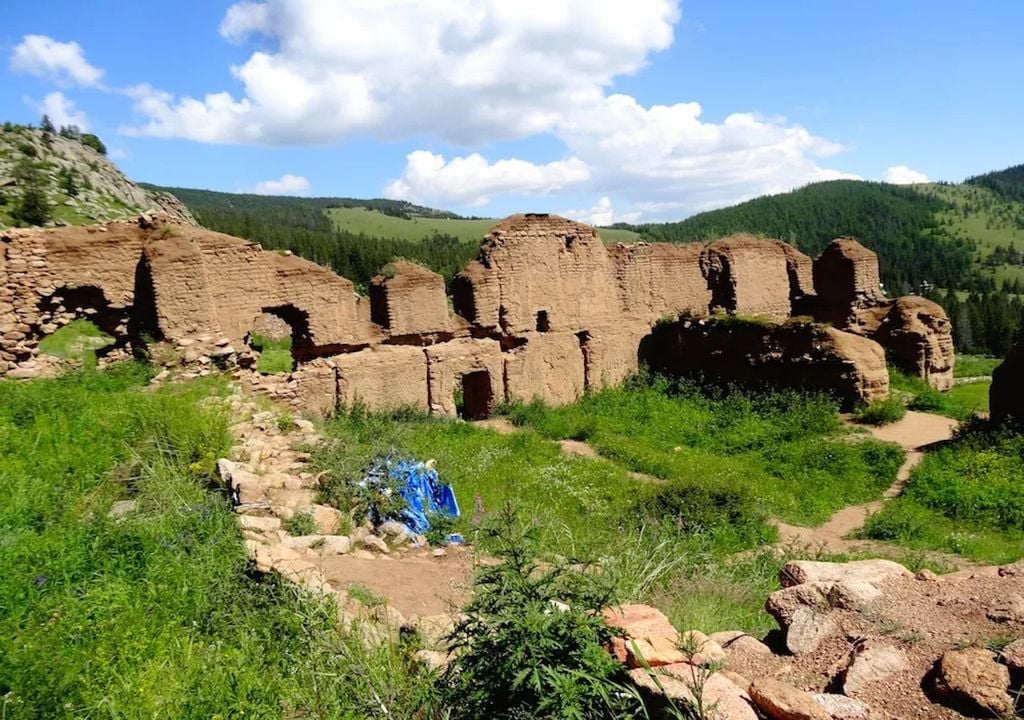
Its monasteries, such as the famous Manzushir Khiid, now in ruins, recall the central role it played in the country’s religious life. Even today, many traditional ceremonies are still held on its slopes.
A Biological Refuge Between Steppe and Forest
From an ecological standpoint, this place is exceptional. It acts as a transition zone between the Mongolian steppe and the Siberian forest. More than 450 plant species grow on its slopes, including forests of larch, Siberian pine, birch, and cedar.
Did you know that the oldest national park in the world is Bogd Khan Uul National Park in Mongolia? Established in 1778 to protect Bogd Khan Mountain #NatureHistory #OldestNationalPark #BogdKhanUul #FunFacts #ExploreMongolia #CompassionForTheLand pic.twitter.com/Fr24ozQ8O7
— Compassion for the Land (@compassionland) May 25, 2024
The wildlife is equally diverse: deer, roe deer, wild boar, foxes, and wolves inhabit the park, along with more elusive species such as the Eurasian lynx. Overhead, golden eagles and falcons patrol a territory that remains wild despite its proximity to the city.
The Fragile Balance of a Living Sanctuary
Human pressure is now one of its greatest challenges. The growth of Ulaanbaatar, unregulated hiking, and climate change threaten a balance that has endured for centuries. Even so, Bogd Khan Uul remains a powerful example of early conservation and deep respect for nature.
Visiting it is also surprisingly accessible for those arriving in Ulaanbaatar. From the city, you can take a taxi or public transport to the park entrance, and several well-marked trails allow visitors to explore its forests, streams, and viewpoints without special equipment.
Day 18: Hike day. Sometimes the surveys just need to be left to survey. Some good views from Tsetsee Gun, even if it has temporarily cost me the functionality of my feet. UB juuuust visible in the distance. pic.twitter.com/BVOMNSA1c0
— Natalia Fedorova (@Naty_Fedorova) May 21, 2019
For the more adventurous, there are routes that climb to Tsetsee Gun Peak, offering breathtaking views of endless steppe and forested mountains. In addition, local guides offer cultural excursions that blend nature with the mountain’s sacred history, including visits to ancient temples and ceremonial sites.