
Tourism Is Driving Seashells To Extinction: Experts Explain How
Millions of hands carry away memories that the sea still needs. Each souvenir collected leaves a void on our beaches. What seemed harmless becomes an accumulated loss.
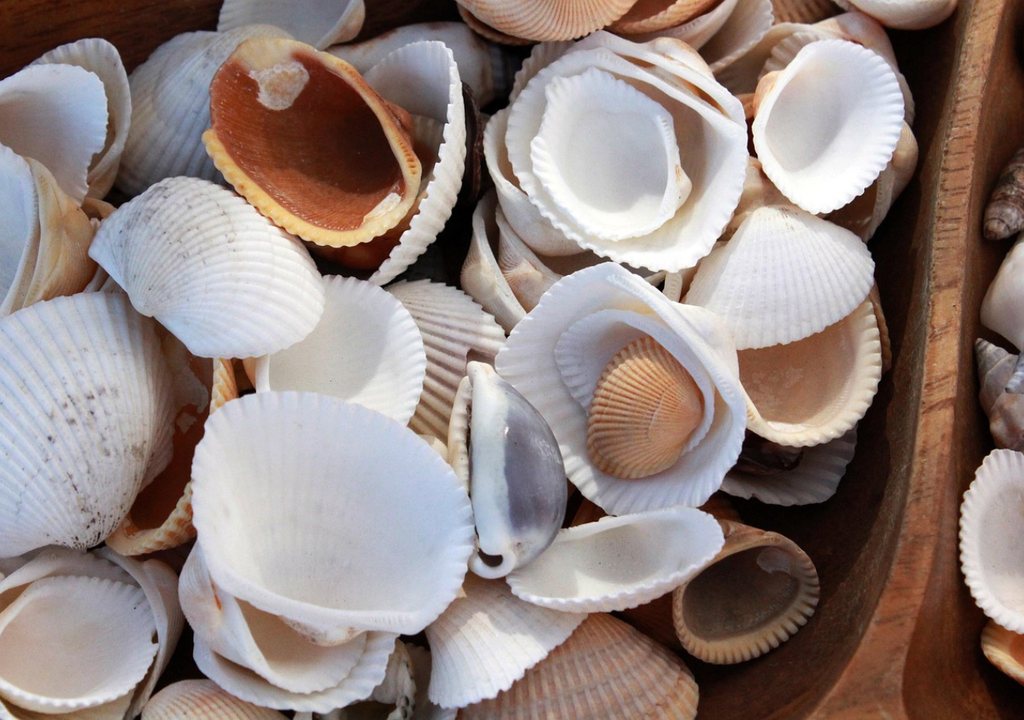
As the salty smell fills their nose and the warmth of the Sun caresses their face, someone walks along the shore. Between the fine grains of sand, something shines. A small shell catches their eye — they bend down and pick it up. A lovely vacation keepsake, right? This simple act is repeated millions of times all over the world.
Now add to these hundreds of millions the domestic tourists, who represent a much larger volume — potentially 3 times the number of international tourists. How much would that represent in lost shells? If we adjust the proportions, the combined estimate of shells removed could easily rise well beyond hundreds of millions each year.
The problem? It doesn’t just leave an empty space in the sand — it leaves one in the entire ecosystem. What’s considered a typical summer ritual, an innocent act, is having an increasingly greater impact. Billions of people visit beaches each year, often taking entire buckets full, and over time, most of those shells end up in the trash.
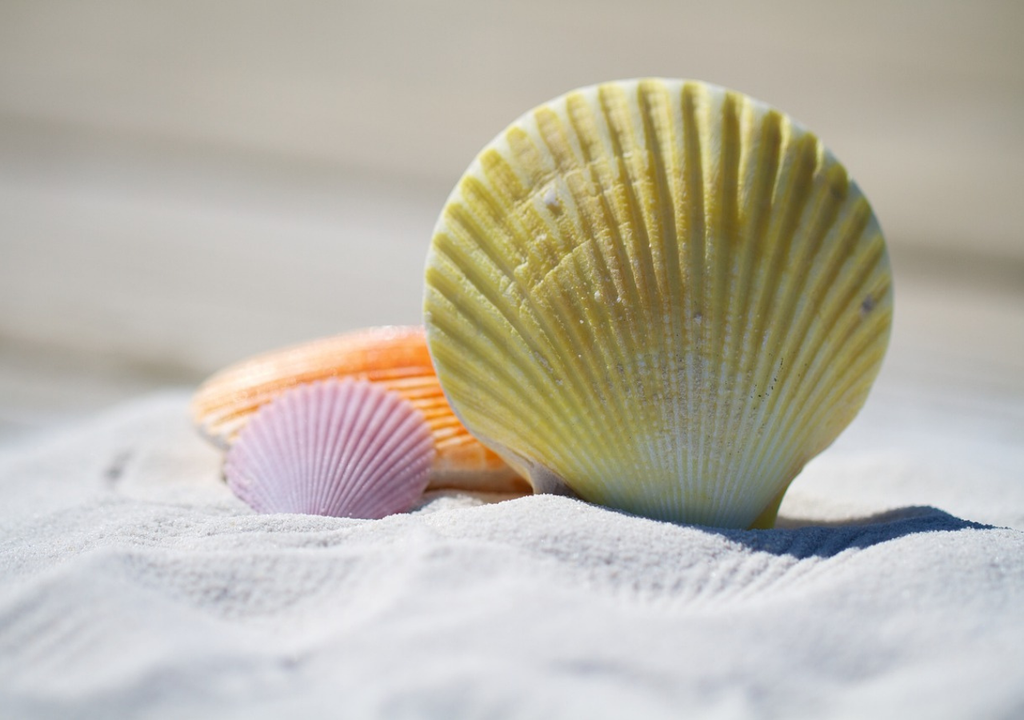
Tourism growth is staggering and generates huge economic benefits, but without control, it comes with a silent loss. As tourism multiplies, the availability of shells plummets. What may seem like a simple “souvenir” today could tomorrow mean poorer ecosystems, more eroded beaches, and species without shelter.
The Secret Life of Shells
At first glance, shells and snails resting on the sand may seem like simple remnants of the sea — fleeting decorations left behind by the tide. But they are much more than that. They are key pieces in a natural mechanism that keeps beaches alive and stable.
To begin with, they provide a unique opportunity for shelter and survival to many marine creatures. Empty shells and snails become potential homes for hermit crabs, microalgae, sponges, and other organisms.
They also play a fundamental role in the physical stability of beaches. Their fragments mix with sand and help reinforce coasts against erosion. Small as they are, they help hold sand in place and prevent it from being washed away by tides, allowing beaches to maintain their shape and firmness.
As they decompose, shells release calcium carbonate, crucial for maintaining sand pH and supporting the formation of new coral structures. Moreover, they modify ocean pH, help recycle calcium and other elements into the sea, and contribute to maintaining vital cycles within the water — including the generation of new shells.
The disappearance of these structures endangers a fragile ecological balance. It leaves species without shelter, beaches more eroded, and ecosystems less resilient to climate change.
Toward Conscious Tourism
Although scientists have been warning about this issue for years, the effects of human activity on beaches are now visible and undeniable. But we can still minimize the impact. How? Through environmental education — that’s the key task. For decades, this has even been technically prohibited in several places.
In Spain, the Coastal Law establishes that sand, stones, shells, and fossils are public property, and removing them without permission is illegal. In the United Kingdom, the Coast Protection Act 1949 regulates beach collection. On Sanibel Island (Florida), since 1995, it has been forbidden to collect shells with living organisms, as well as echinoderms and other marine species.
In Mexico, it is not allowed to remove shells or snails from Protected Natural Areas (ANPs). Outside them, in the Federal Maritime-Terrestrial Zone (ZOFEMAT), any use of beach materials requires a permit or concession. For emblematic and vulnerable species like the queen conch, there are also specific fishing bans and regulations.
Enjoying a beach vacation and taking care of it shouldn’t be mutually exclusive. The experience won’t be any less meaningful if we leave the shell where it belongs. We may not take home a physical keepsake, but we gain a deeper, more respectful connection with nature. Let’s learn to truly value and care for our coasts.
News References
Seashells are not a ‘souvenir’: scientists explain why it’s better to leave them on the beach. August 7, 2025. Facundo Macchi. News article in El País.
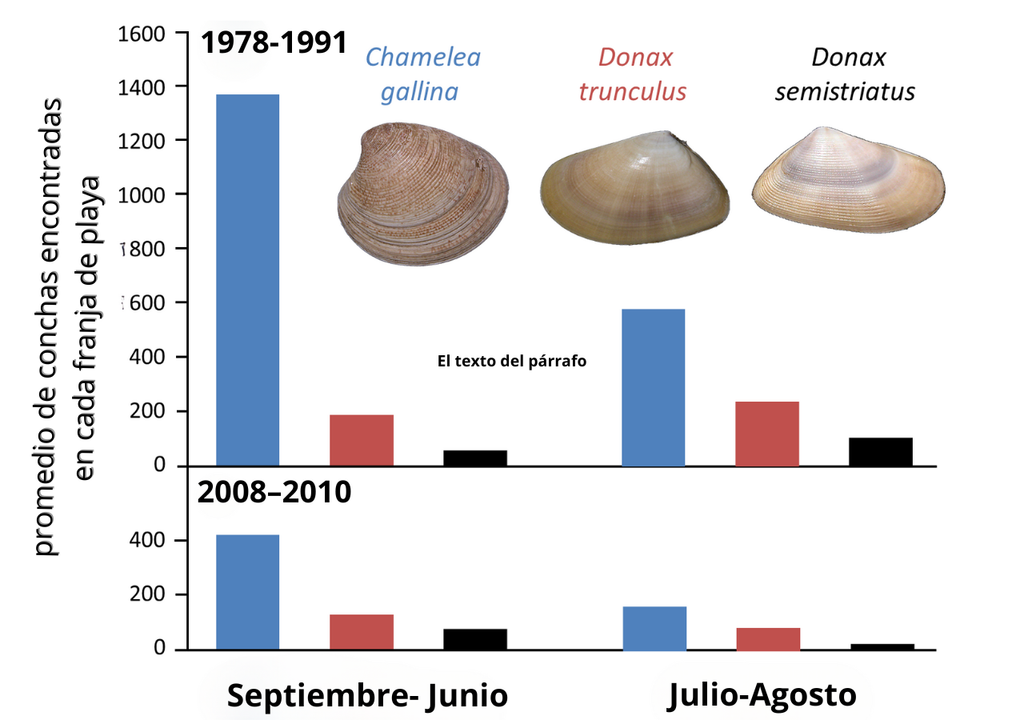
Vanishing Clams on an Iberian Beach: Local Consequences and Global Implications of Accelerating Loss of Shells to Tourism. January 8, 2014. Michał Kowalewski, Rosa Domènech, and Jordi Martinell. Journal PLOS ONE.