
Did you know that more rain does not mean more flowers?
The flowering of plants is the result of a complex process that depends on the balance between environmental factors and internal regulatory mechanisms. Come discover what they are!
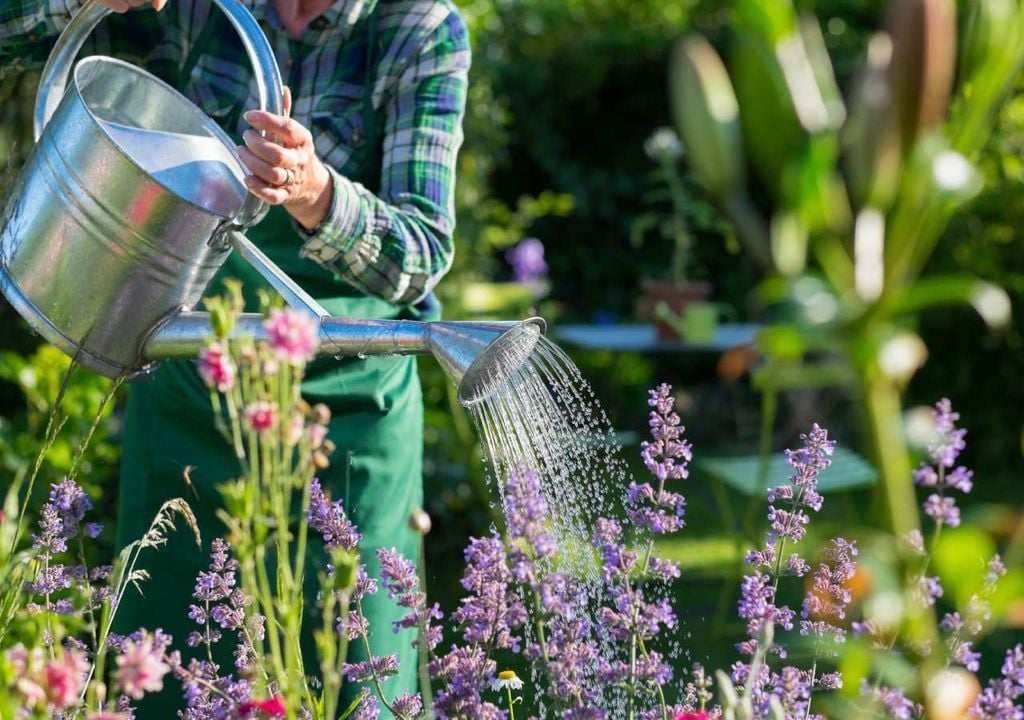
The idea that more rain automatically means more flowers is appealing, but it does not align with scientific reality. Plant flowering is the result of a complex interaction between environmental factors and highly regulated genetic mechanisms.
Although water is an essential element for plant growth, it is far from being the only determining factor in the appearance of flowers.
Rain Is Important, but It Is Not Everything!
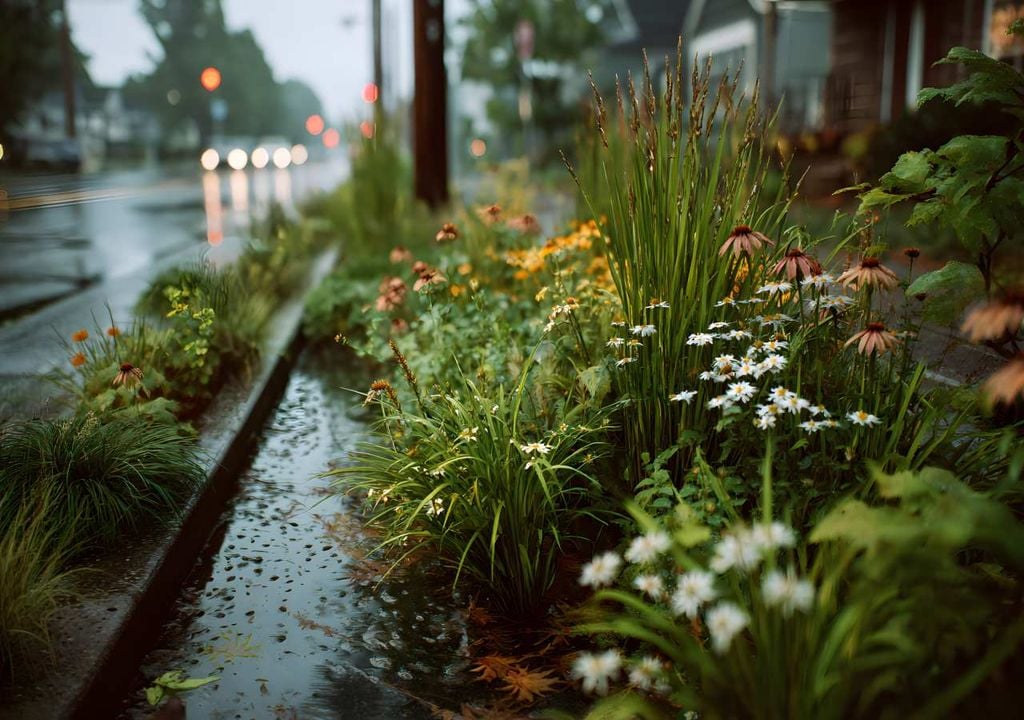
In many ecosystems, especially in arid or semi-arid regions, rainfall can trigger episodes of intense flowering, creating landscapes that are temporarily rich in blooms.
However, this relationship is not universal and depends greatly on the type of plant, the climate, and soil conditions. In some cases, excessive rain can even hinder plant development by promoting disease or disrupting the nutrient balance in the soil.
To truly understand what controls flowering, it is necessary to consider other key environmental signals, such as day length, temperature, and exposure to winter cold.
These factors act as reliable indicators of seasonal changes throughout the year. Photoperiod, for example, plays a crucial role, as many species only flower when the days reach a specific length, while others require a prolonged period of low temperatures: a process known as vernalization.
The Genetics Behind Flowering
Alongside external stimuli, there is a sophisticated internal system of genetic regulation that interprets these signals and determines when the plant should flower.
Plants respond to seasonal changes to initiate developmental programs at specific times of the year.
According to a scientific study published in the journal Nature, experiments carried out on model species such as Arabidopsis thaliana revealed the existence of complex genetic networks that integrate information derived from light, temperature, and time.
These mechanisms include an internal circadian clock, specialized photoreceptors and genes responsible for responding to cold, as well as to other environmental stimuli. These different molecular pathways converge to activate key genes that trigger the transition from the vegetative phase to the reproductive phase; that is, the moment when the plant begins to produce flowers.
It is worth noting that these systems are not identical across all species, having evolved over time to allow adaptation to very diverse environments.
Interaction Between the Environment and Genetics
Therefore, flowering cannot be explained by a single factor, but rather by the dynamic interaction between genetics and the environment.
Genes provide the potential, while the environment determines when that potential is activated. This interaction is particularly relevant in an agricultural context, where controlling the timing of flowering is essential to maximize productivity and adapt crops to different climates.
So, when asked whether more rain means more flowers, the most accurate answer is: it depends.
In certain contexts, particularly in arid regions, water can act as the main trigger for flowering. In other situations, factors such as light and temperature carry much more weight; in fact, excess rainfall can even have negative effects.
What scientific research shows is that flowering is the result of a delicate balance between multiple environmental signals and genetic processes.
Understanding these mechanisms is essential, not only to deepen our knowledge of how plants function, but also to address current challenges such as climate change, which is altering temperature and precipitation patterns worldwide and directly influencing the life cycles of plant species.
News Reference
Andrés, F., Coupland, G. "The Genetic Basis of Flowering Responses to Seasonal Cues." Nat Rev Genet 13, 627–639 (2012).