
It’s Amazing How Much Your Garden Still Needs in November! Even Many Professionals Don’t Know It
If you thought there was nothing to do in the garden in November, think again. Now you can use nature’s magic tricks that almost no one knows!
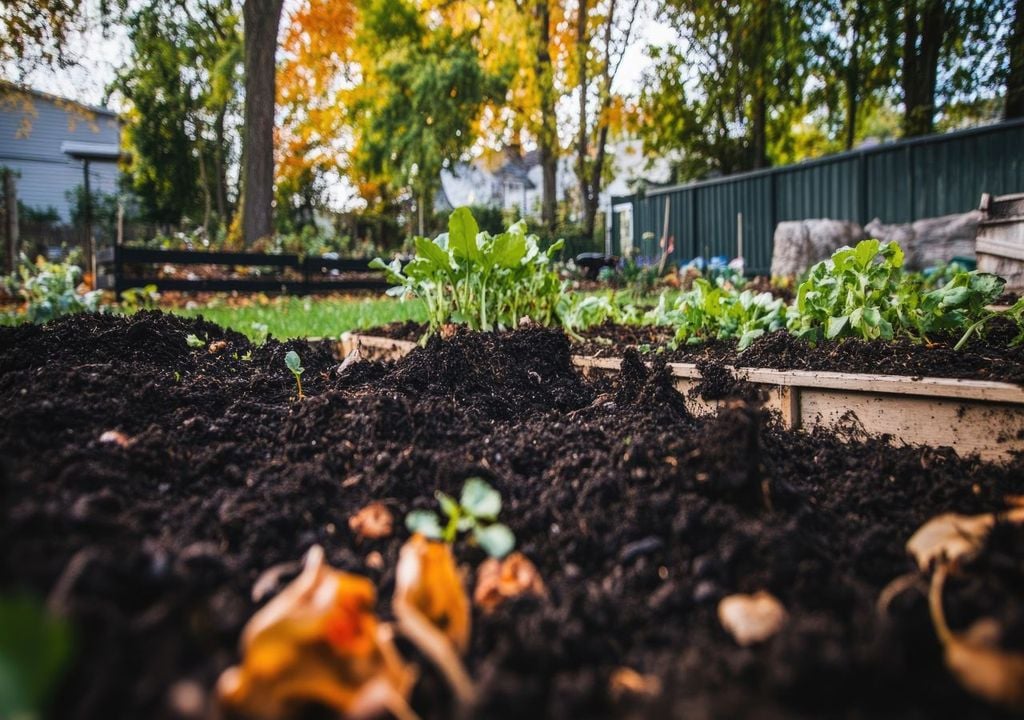
In November, everything seems to stop. But beneath the surface, your garden is working at full speed. Roots are storing nutrients and microorganisms are preparing the soil for winter.
Those who stop cultivating now miss the most important moment of the year — the “invisible beginning.” By strategically adding compost or leaf mulch now, you’re creating the fertilizer for next spring — completely free. The trick: don’t turn the soil, leave it undisturbed. This keeps the soil life active, even at 5°C (41°F).
The Secrets Of November Vegetables
As incredible as it may seem, some plants love the cold. Winter onions, garlic, and lamb’s lettuce thrive better now than in October. Planting them in November results in particularly strong shoots and a more intense flavor come spring.
Surprisingly, you can still sow spinach! Germination is slow, but the plants overwinter as tiny rosettes and then sprout rapidly in March. This isn’t a gardener’s trick but pure natural logic: frost acts as a signal for growth.
The Invisible Shield Against Frost
Many people simply cover their beds with plastic — a mistake. A better option is a layer of natural materials such as leaves, branches, or straw. These insulate while allowing air and moisture to pass through. The key is that a microclimate forms under this layer, allowing earthworms to keep working.
For a more advanced method, add coffee grounds or crushed eggshells — they repel slugs and improve the pH. A simple yet almost magical way to help soil life survive the winter.
A Floral Surprise In The Winter Darkness
You can bring color to bare branches with the winter snowball, witch hazel, or Christmas rose. These plants bloom when all others are asleep. Their secret: they store sugar as antifreeze in their cells.
This allows them to bloom beautifully even at five degrees below zero. If you plant them now, they’ll take root easily before the first frosts and reveal their quiet beauty in January. Your neighbors will be amazed — and you’ll see for yourself: beauty can bloom even in the cold.
The Forgotten Treasure In The Compost Pile
Many people toss leaves carelessly — what a shame! Hedgehogs, toads, and beetles — natural pest controllers in spring — hide under damp leaves. Leaving them a protected pile saves you pesticides and work later on.
A tip few people know: chestnut leaves decompose more slowly and are perfect for insulation, while maple leaves quickly turn into fertile soil. This way, “waste” becomes a valuable guarantee for your garden’s health.
Now Is The Time To Plan, Not To Plant
While everything outside is in dormancy, indoors is the best time to dream. Those who order seeds now, draw up planting plans and design new companion plantings, will have an advantage in spring.
A hidden treasure: the native varieties found at local seed exchanges — they’re more resilient, more aromatic, and often nearly forgotten. November isn’t an end, but a disguised beginning. Those who embrace it can transform their garden into a place where even winter smells like life.