
Rosemary can suffer more from overwatering than from fall cold: The warning sign to watch for
Although rosemary tolerates cooler fall temperatures well, overwatering can put it at risk. Learning to recognize the warning signs is essential for its survival.
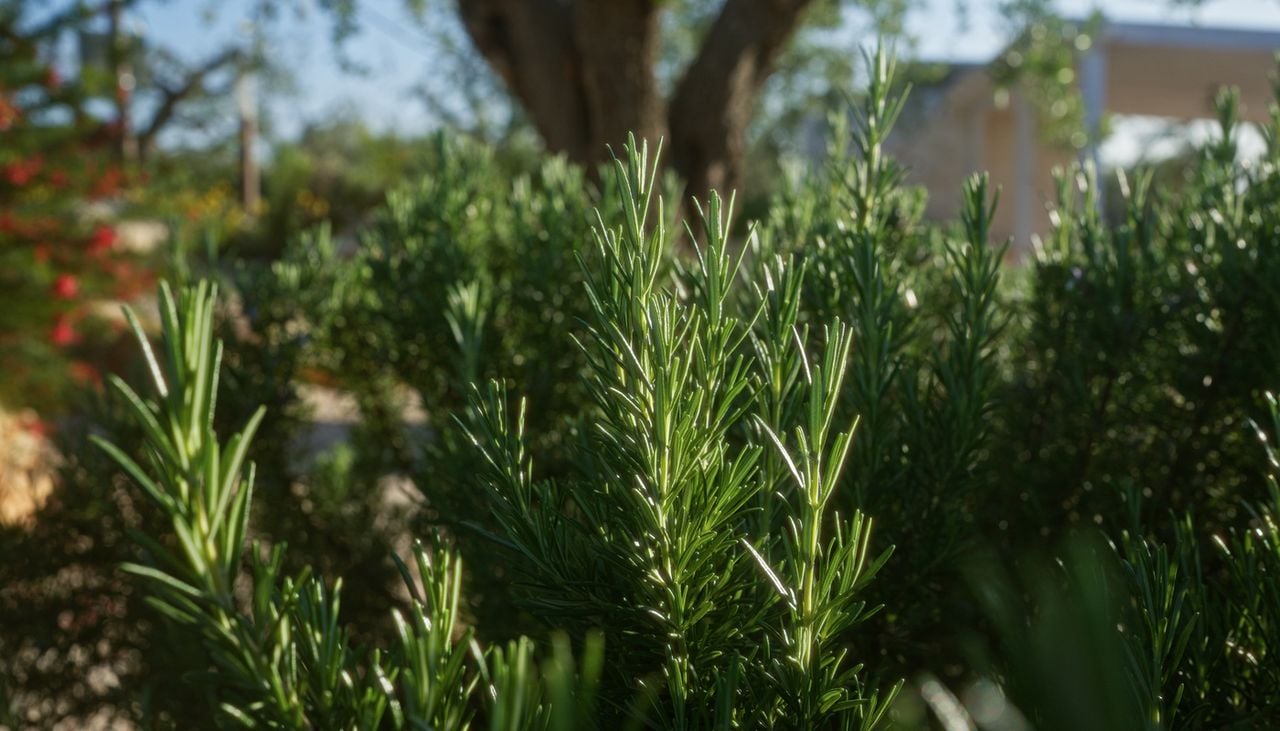
Rosemary is one of the most traditional and resilient aromatic plants found in gardens and vegetable plots. Its ability to withstand periods of drought and adapt to different climatic conditions makes it a popular choice for terraces, patios, and gardens.
However, when fall arrives, one problem can threaten its survival: overwatering. Although cooler temperatures often concern gardening enthusiasts, this plant can suffer much more from excessively wet soil than from moderate cold.
Overwatering: Rosemary's biggest enemy in fall
Rosemary, scientifically known as Salvia rosmarinus, is a species native to the Mediterranean region. It is adapted to growing in dry, well-drained soil with plenty of sunlight. For this reason, its water requirements are relatively low, especially once the plant is established.
During fall, environmental conditions change considerably. Temperatures drop, daylight hours become shorter, and water evaporates more slowly from the soil. In addition, rainfall becomes more frequent in many areas.
Salvia rosmarinus (Rosmarinus officinalis until 2017) - Rosemary https://t.co/tcAlNR4r1y
— Tugai Kan جج (@Bardo_Molineta) December 2, 2022
When excessive watering is added to these conditions, the soil can remain wet for too long. Because roots need oxygen to function properly, waterlogged soil reduces their ability to breathe.
This situation can lead to diseases associated with root rot, particularly when drainage is poor.
The warning sign to watch for: Yellowing leaves and loss of vigor
One of the first warning signs that rosemary may be suffering from overwatering is yellowing leaves. Although this change can also result from other causes, such as nutrient deficiencies or insufficient light, it's important to check the soil's condition when it appears.
If the leaves begin turning yellow, lose their usual appearance, and the plant looks wilted even though the soil is moist, the roots may be suffering.
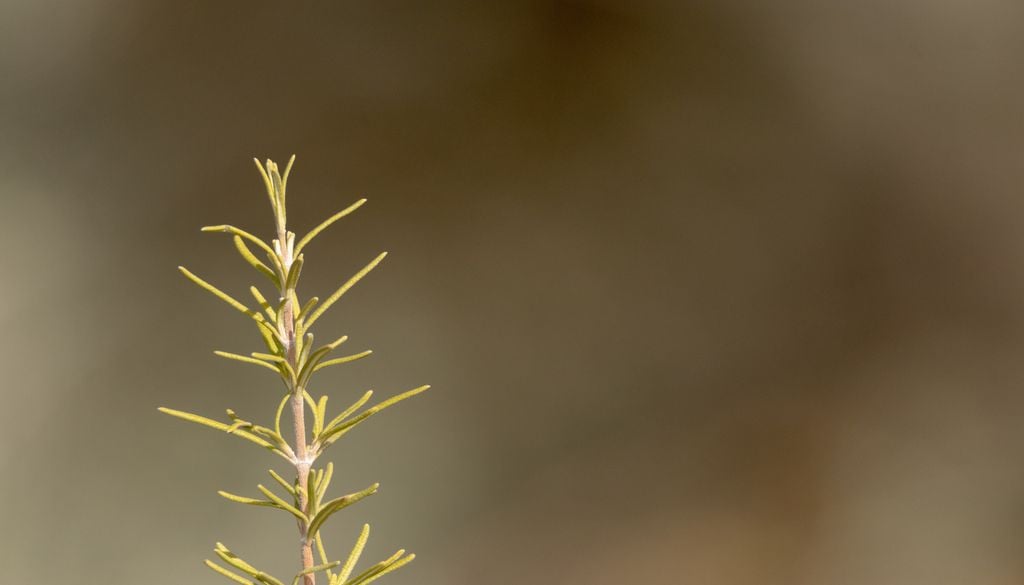
Another important warning sign is blackening at the base of the stems. In more advanced cases, the roots may appear dark and soft and give off an unpleasant odor.
Rosemary may also lose leaves or develop branches that gradually dry out. In these cases, the symptoms can be mistaken for the effects of fall cold, even when excessive moisture is the actual cause.
How to protect rosemary during the fall months
The best way to prevent these problems is to adjust the plant's care according to weather conditions. In fall, rosemary needs less water than during the hottest summer months.
If you're growing rosemary in a pot, make sure it has enough drainage holes and that water doesn't accumulate in the saucer underneath. It's also important to use a light, well-draining potting mix that allows excess moisture to escape quickly.
For garden planting, it's best to choose well-drained soil. If the soil is clay-heavy and retains too much water, improving its structure or planting rosemary in a slightly raised area may help.
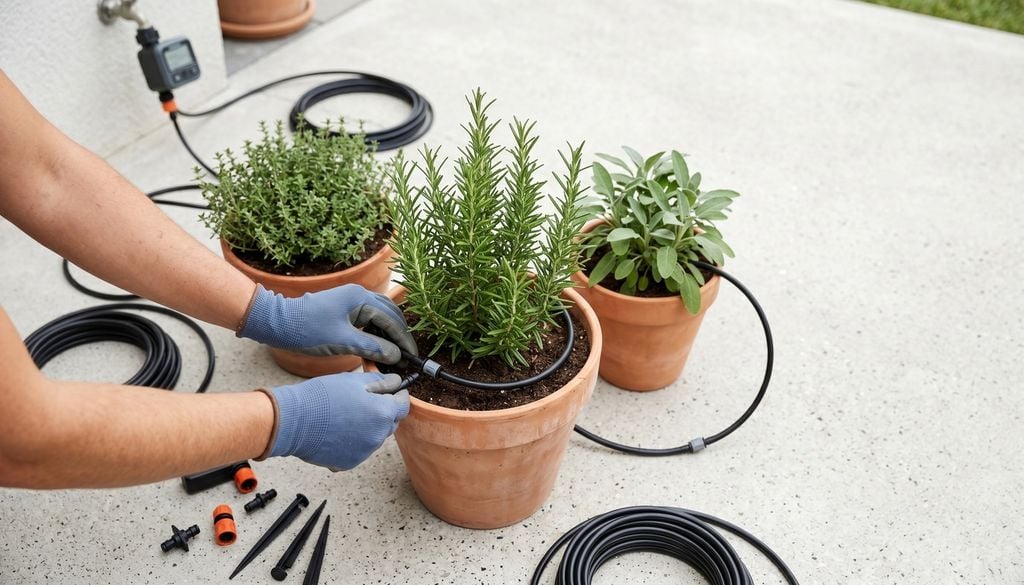
It's also important to avoid watering on a fixed schedule, since fall rainfall may provide enough moisture to meet rosemary's needs for several days or even weeks.
What about the cold?
Rosemary is fairly resistant to low temperatures, although its tolerance depends on the variety, the plant's age, exposure, and soil conditions. In general, it can withstand moderate frosts, but prolonged periods of intense cold can cause damage.
Ultimately, rosemary doesn't require as much care during fall as many other garden plants, but watering deserves special attention.
Watching for yellowing leaves and checking soil moisture can make the difference between a healthy plant and one that is beginning to decline. Often, the best way to protect this Mediterranean herb isn't to water it more, but to let the soil breathe.