
You don’t need a big garden to grow vegetables - you can start on your balcony today
Think you need land to grow vegetables? Here’s how you can start growing your own produce on a balcony, simply and practically, with no experience and very little space
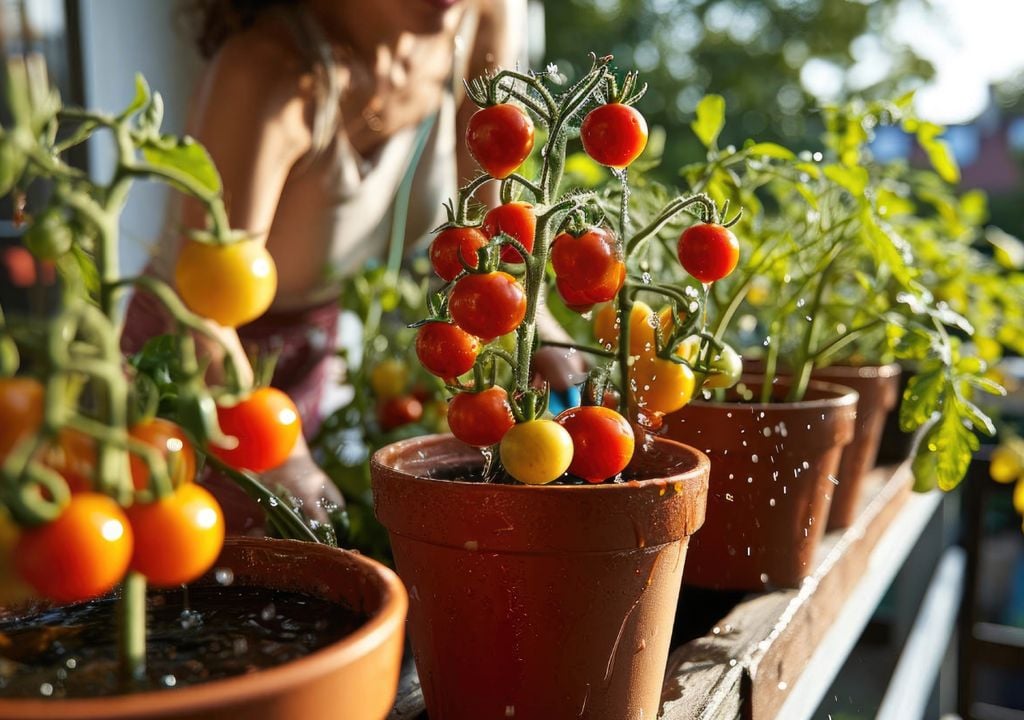
Do you think you need a large plot of land to grow your own food? For years, many of us have been led to believe that growing vegetables is only possible if you have a big garden, an allotment or even a small farm.
In reality, things are very different. You can start your own vegetable garden right on your balcony, with no prior experience and very few resources. All you really need is the right mindset and a few basic tips to get going.
The space myth: less is more
One of the biggest barriers to urban gardening is the idea that there simply isn’t enough room. But a balcony, terrace or even a well-positioned window can become a small green refuge.
The key isn’t how much space you have, but how you use it. Pots, planters, compact growing tables and vertical systems allow you to grow far more than you might expect, even in a few square metres.
Growing in containers also comes with clear advantages. You control the soil, watering and nutrients, deal with fewer weeds, and can move plants around depending on sunlight or weather conditions.
What can you grow on a balcony?
The list is longer than most people expect. Fast-growing, compact vegetables are ideal for beginners. Lettuce, rocket, spinach, radishes and lamb’s lettuce all grow well in pots. With the right containers, you can also grow cherry tomatoes, peppers, strawberries and even courgettes.
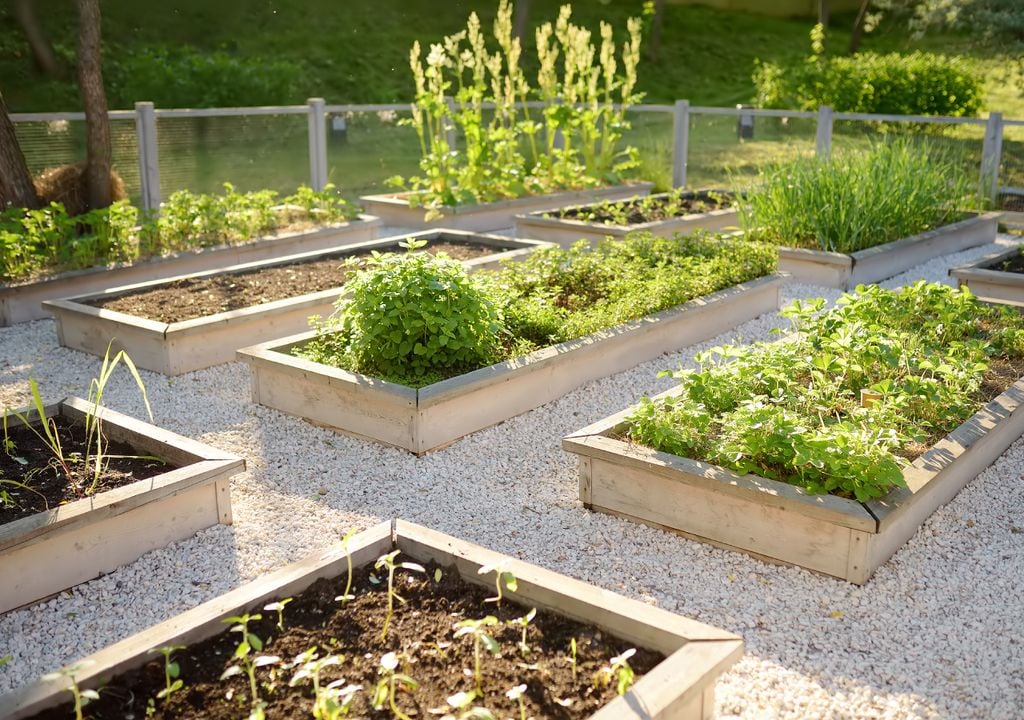
Herbs deserve a special mention. Basil, parsley, thyme, rosemary and mint thrive on balconies, take up little space and instantly lift everyday cooking. Many are hardy, forgiving and ideal for beginners.
Light, water and soil: the essentials
For a balcony garden to work, three things matter most. The first is light. Most vegetables need four to six hours of direct sunlight a day. If your balcony gets less, don’t panic - some crops grow perfectly well in partial shade.
The second factor is watering. In pots, plants depend entirely on you, so regular watering matters. Avoid both overwatering and letting soil dry out completely. Good drainage is essential to prevent disease.
Finally, the soil. Not just any compost will do. Use a growing medium designed for urban vegetable gardens, rich in organic matter but light enough for roots to develop properly.
Benefits beyond the harvest
A balcony vegetable garden isn’t just about fresh food. It can reduce stress, reconnect you with natural rhythms, and encourage more mindful consumption.
Watching a plant grow from seed to harvest brings a real sense of satisfaction, even in a small space. Growing food at home also supports sustainability by cutting packaging, transport and food waste.
Start today, no excuses
You don’t need big investments or specialist knowledge. Start small: one pot, one plant and a willingness to learn. Observe, experiment and make mistakes - gardening teaches patience too. Over time, your balcony can become a productive, green space full of life.
So next time you think you don’t have room for a vegetable garden, look at your balcony again - that’s where it can all begin.