
Can Music Really Reduce The Symptoms Of Dementia?
Music can be a true form of medicine for us. Although it’s often used as therapy, some experts question its role — especially in diseases like dementia. Can it really help patients?
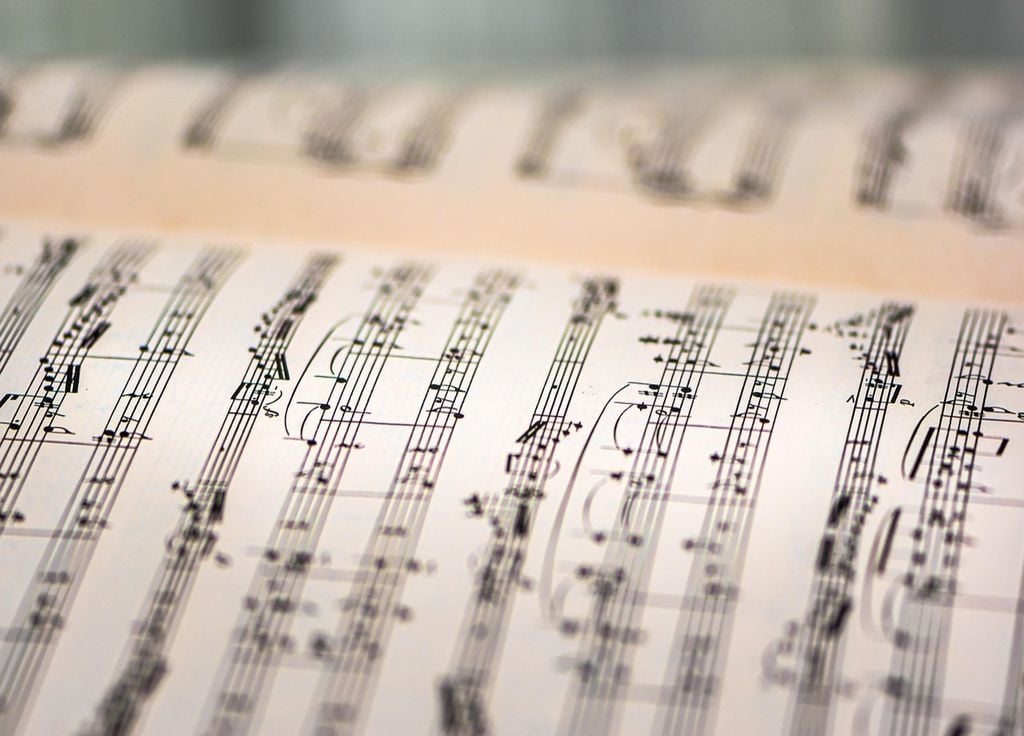
Music soothes the soul — and much more! Its beneficial effects are well known. From antidepressant to pain relief properties, music has the ability to ease even the most severe ailments. This is especially true in the case of dementia.
Several studies agree that music can help improve disorders related to this disease, such as memory loss, anxiety, and depression.
Music: A Medicine That Can Only Do Good
Global figures show that more than 55 million people suffer from dementia. This disease affects cognitive functions, leading to their progressive decline. While there are medications to slow its progression, unfortunately they are only effective for certain symptoms, and their long-term effectiveness is limited. The more the disease progresses, the less effective these treatments become.
However, The Effects Of Music Therapy Vary From Patient To Patient
That’s why Dutch researchers wanted to learn more. By analyzing around thirty studies, they were able to review the results of more than 1,700 dementia patients. Their goal was to observe outcomes related to emotional well-being, behavior, and cognition. An initial analysis was done at the end of therapy, followed by another a month later.
The results were mixed. While music seems to improve depression and behavioral issues in general, it also appears to help reduce anxiety levels. However, no significant changes were observed in signs of agitation or aggression. Experts say more data is needed to confirm these findings.
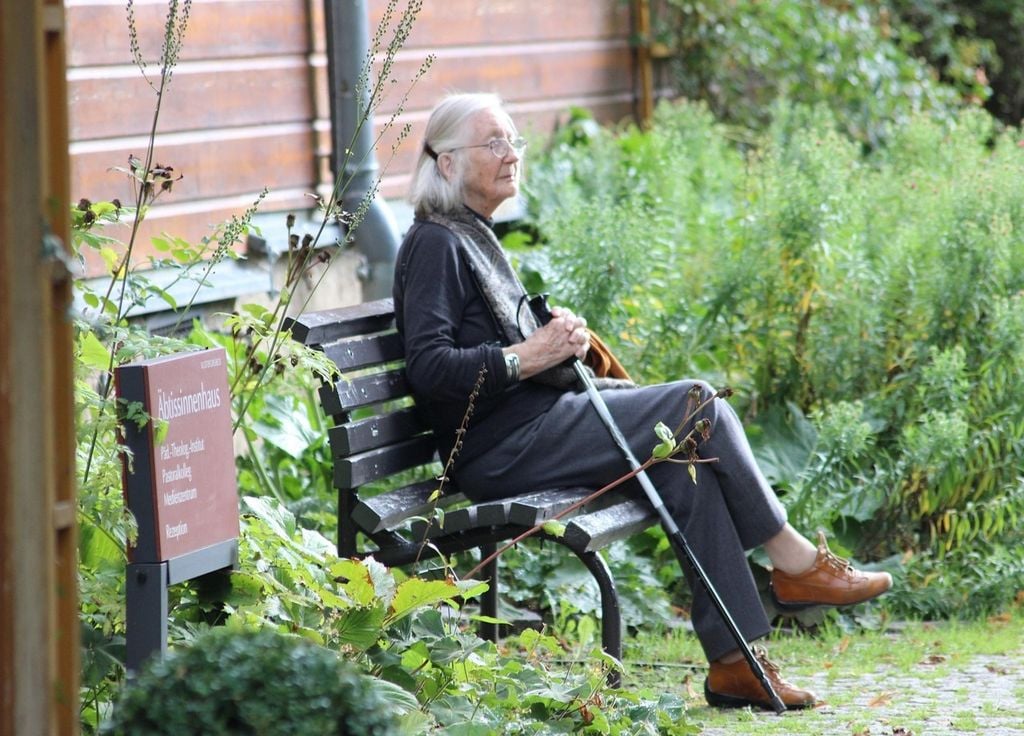
It’s also important to note that the effects of music therapy can vary greatly between individuals, explains Professor Robert Zatorre, a scientist at the Montreal Neurological Institute-Hospital (Canada). “Not everyone responds. Some respond very well, others less so, and some not at all — and we don’t know why. But it’s not magical or miraculous. Even among those who respond, the beneficial effect may last only a few minutes before symptoms return.”
However, he adds, “For some people, it can have quite a profound effect, so it’s always worth trying and trying again — because results can vary from one moment to another. A person might not respond one day, but the next day they do. So it’s always worth it. And the great thing about music is that it’s free and safe. It will never do any harm.”
News References
La musique aurait un impact bénéfique sur la démence, Jean-Benoit Legault, La Presse Canadienne, November 3, 2024
La musique peut-elle aider à atténuer les symptômes de la démence?, Science-et-vie, March 19, 2025