
How Big Cities are Creating their own Weather: Asphalt and Pollution are Causing more Violent Storms
A new study found that urban areas are influencing thunderstorms. Certain types of storms can strengthen over cities and produce more rain. The researchers analyzed over 40,000 storms over a 22-year span in Texas.
On May 20, 2026, researchers from Texas A&M University published a study in Nature that certain types of storms can intensify over urban areas. They found isolated thunderstorm cells can grow stronger and produce more rain over cities.
Storm Study
Researchers from Texas A&M University found that isolated storm cells can grow stronger and produce more rain over cities. They analyzed over 40,000 storms over a 22-year span in Houston, Dallas-Fort Worth, Austin and San Antonio from 1996-2017. Specifically, they honed in on rainfall resulting from different types of storms that hit cities.
Co-author John Nielsen-Gammon of Texas A&M explains, “Different storms are driven by different physical processes. Once you separate storms by type, the patterns become much clearer.” Two categories of storms the researchers looked at were single-cell thunderstorms and larger isolated storms. They found intensification and heavier rainfall when encountering a city. Single-cell thunderstorms, they found, grew taller and more intensive over urban areas.
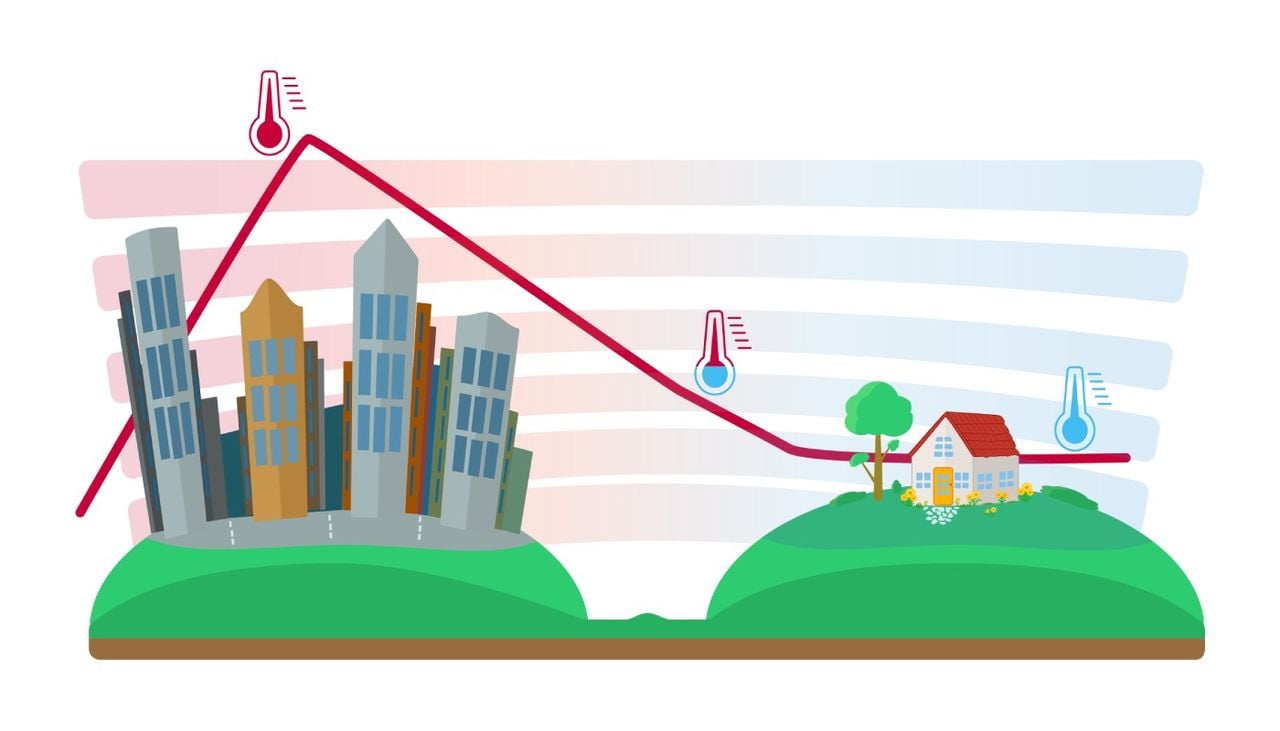
The urban heat island effect is where cities trap heat to make themselves warmer than surrounding areas by causing updrafts that strengthen storms. Of the 4 studied cities in Texas, small storms occurred 7-31% more often than over rural areas nearby. This is especially true at night when cities retain heat, “Urban areas hold heat after sunset. That retained warmth can continue to fuel storms overnight, when similar storms over rural areas are more likely to weaken,” explains Neilsen-Gammon.
Urban Issues
Urban flooding is a significant city problem. There are not many places for rainwater to naturally soak into the ground due to a large presence of concrete and buildings. Storms that hit a city with heavy rainfall overwhelm stormwater systems, resulting in flooded streets. This endangers drivers and pedestrians, and homes and businesses can experience flood damage.
Not all storms intensify when they reach urban areas. Storms along a cold front can weaker over the urban heat island since these storms form from the temperature difference between advancing cold air and the current warm air. Storms associated with cold fronts decreased 16-28% in rainfall intensity compared to surrounding rural areas.
Nielsen-Gammon says, “Cold front rainfall is driven by sharp temperature and wind differences. As they move into the warmer and more turbulent urban environment, those contrasts can weaken, reducing rainfall intensity.”
Urban planners should factor in storms that are short in duration and high in intensity. Neilsen-Gammon says, “If you design only for region-wide averages, you can underestimate the kinds of rainfall that actually cause the most damage […] Asking whether cities get more or less rain is the wrong question. The right question is which storms are affected, because that’s what determines the risk people actually face on the ground.”