
Hunga Tonga eruption had massive impact on the atmosphere
The eruption of the Pacific volcano in 2022 was so powerful that it sent seawater into the stratosphere. Scientists outline how this affected the climate.
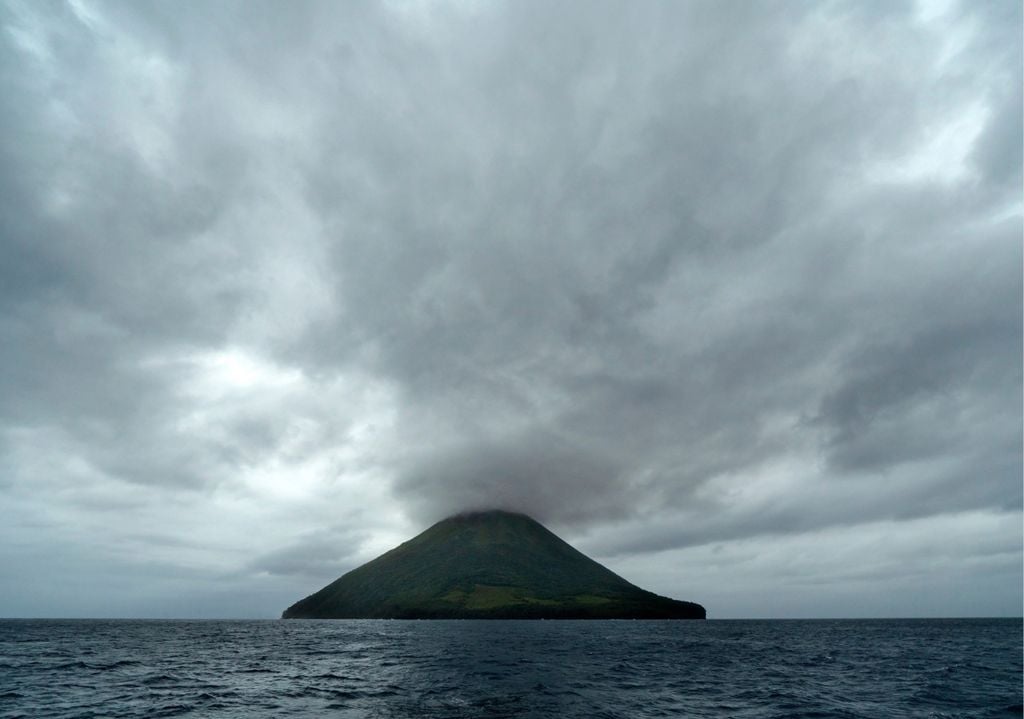
Seawater propelled into the stratosphere by the eruption of the Hunga Tonga volcano in 2022 was so violent that seawater sent into the stratosphere is still there, according to scientists.
The finding comes in a new scientific assessment of the atmospheric impacts from the eruption involving more than 100 scientists from around the world.
The assessment brings together monitoring information from satellite measurements, field campaigns and ground-based observatories to document the eruption’s far-reaching effects on the ozone layer and climate.
The plume of vaporised seawater from the explosion equalled the size of that from the eruption of Krakatoa between the Indonesian islands of Java and Sumatra in 1883.
The Krakatoa eruption was one of the deadliest volcanic eruptions in modern history. It had an explosive force of a 200-megatonne bomb, killed more than 36,000 people, and cooled the entire Earth by an average of 0.6°C for months to come.
Its effects were felt all over the globe and even seemed to reach far into the stratosphere, the layer of air ~10-50km above the ground, making the moon appear blue at night, according to the Natural History Museum.
How big was the Hunga Tonga eruption?
“The Hunga eruption was unlike anything our satellites have observed before,” said Dr Yunqian Zhu, senior research scientist at the University of Colorado, Boulder and overall lead author for the report.
The event demonstrated how water-rich volcanic eruptions can affect the stratosphere, he added.
The eruption increased global stratospheric water vapour by about ten percent, much of which remains in the atmosphere, the scientists found.
Large volcanic eruptions can have substantial impacts on climate and the ozone layer, explained Dr Graham Mann from the University of Leeds, who co-led the report with Dr Zhu.
For example, the 1991 Pinatubo eruption cooled the whole earth by a quarter to half a degree Celsius for two years.
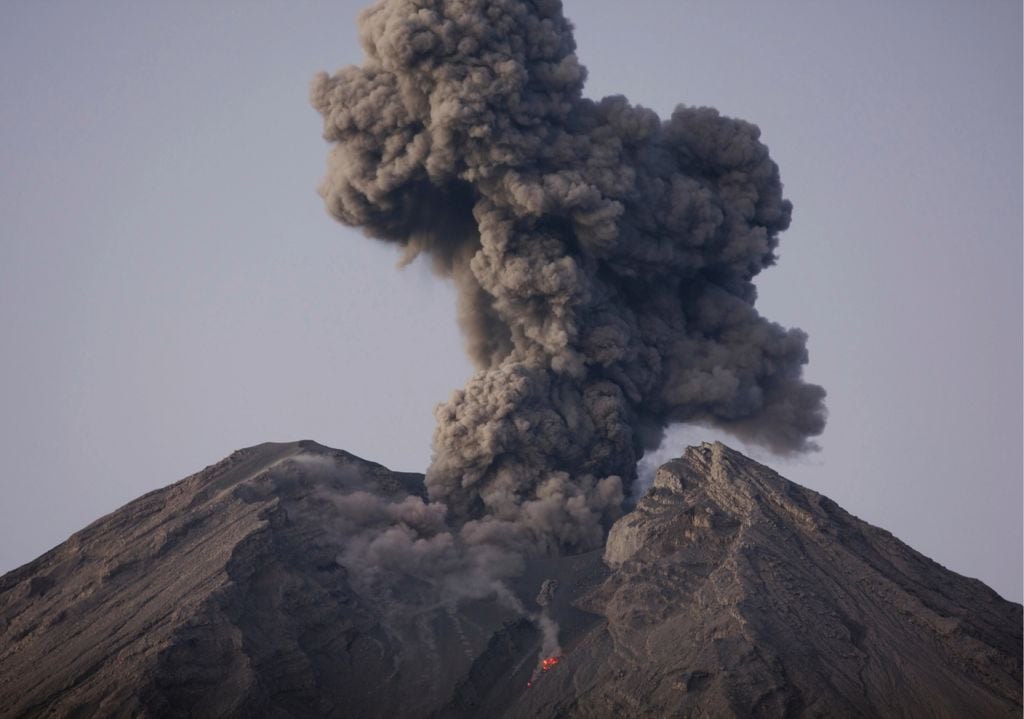
Why did the eruption cool the climate?
Although water vapour is a greenhouse gas, which cause temperatures to rise through climate change, Hunga also had an overall net cooling effect.
The main factor that determines the impact of a volcanic eruption on the climate is the amount of sulphur it releases into the stratosphere, since these particles reflect sunlight back into space, according to Dr Mann.
The fact that the Hunga Tonga explosion took place in the sea made it more explosive, sending sulphur and water vapour deep into the stratosphere.
If the water vapour had been emitted near the tropopause – the atmospheric boundary between the troposphere and stratosphere, the lowest two layers of the earth’s atmosphere – it would have had more of a warming effect, he said.
This would have exacerbated the high temperatures experienced during 2023 and 2024, he said.
The research concluded that the explosion was not responsible for the record level of global warming seen in 2023 and 2024.
“This is a very important finding as understanding what caused the recent surge in global warming is a priority for the climate science community,” said professor Amanda Maycock from the Priestley Centre for Climate Futures at the University of Leeds, who also contributed to the report.
News reference:
Zhu et al, The Hunga Volcanic Eruption Atmospheric Impacts Report. 18 December 2025, the World Climate Research Programme (WCRP).