
Light pollution damaging moths, study finds
Scientists at the University of Exeter warn that artificial nighttime lighting is disrupting moth behavior, reducing their activity, and harming their ability to feed, reproduce, and maintain healthy populations in natural ecosystems.
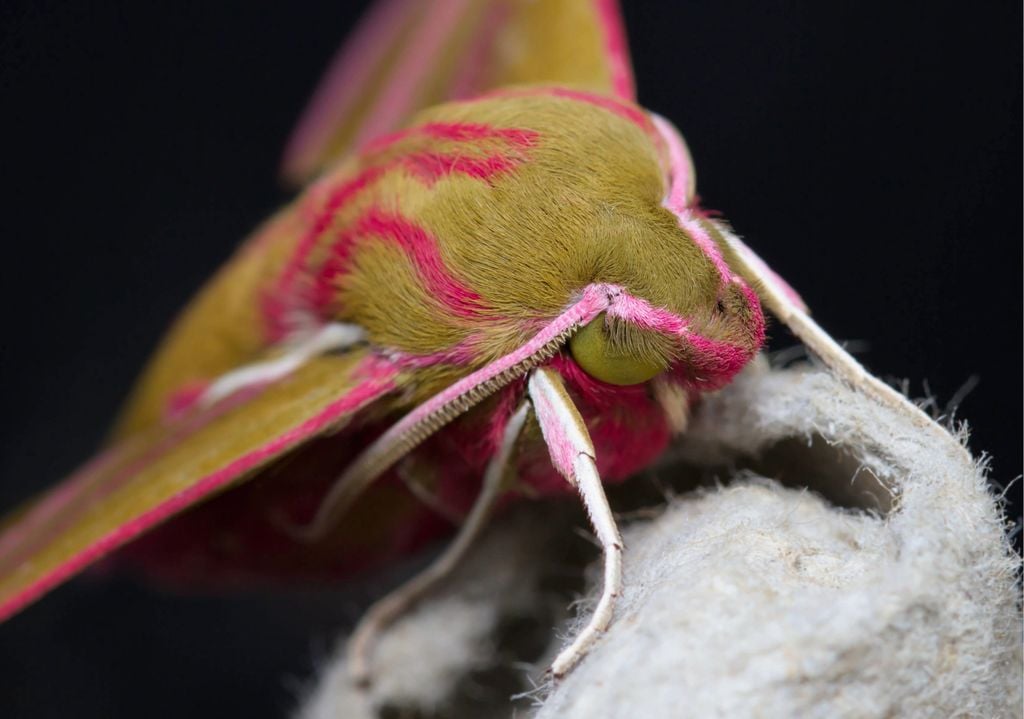
Moths move significantly less when exposed to artificial nighttime light, researchers from the University of Exeter have found.
Moths’ attraction to artificial light, such as streetlights, is common knowledge. But they may also remain still if they land near a light, apparently ‘trapped’.
To understand this behaviour, University of Exeter researchers caught more than 800 moths from 23 species and exposed them to LED lights of various colours and brightness, or to natural night conditions.
They collected moths with light traps and butterfly nets on university grounds, then exposed them to one of the light conditions, and filmed to record their movements overnight.
Under 10 lux – a level similar to that experienced near residential streetlighting – moths moved 85% less on average than moths in natural nighttime conditions.
The study also found that, at that same 10 lux intensity, amber lighting – commonly thought to be less harmful to insects – reduced moth movement just as much as typical white LEDs.
Some moth species were even affected by white LED lighting at low levels of 0.1 lux. This is equivalent to indirect ‘skyglow’, where light from towns and cities illuminates the entire sky across many kilometres.
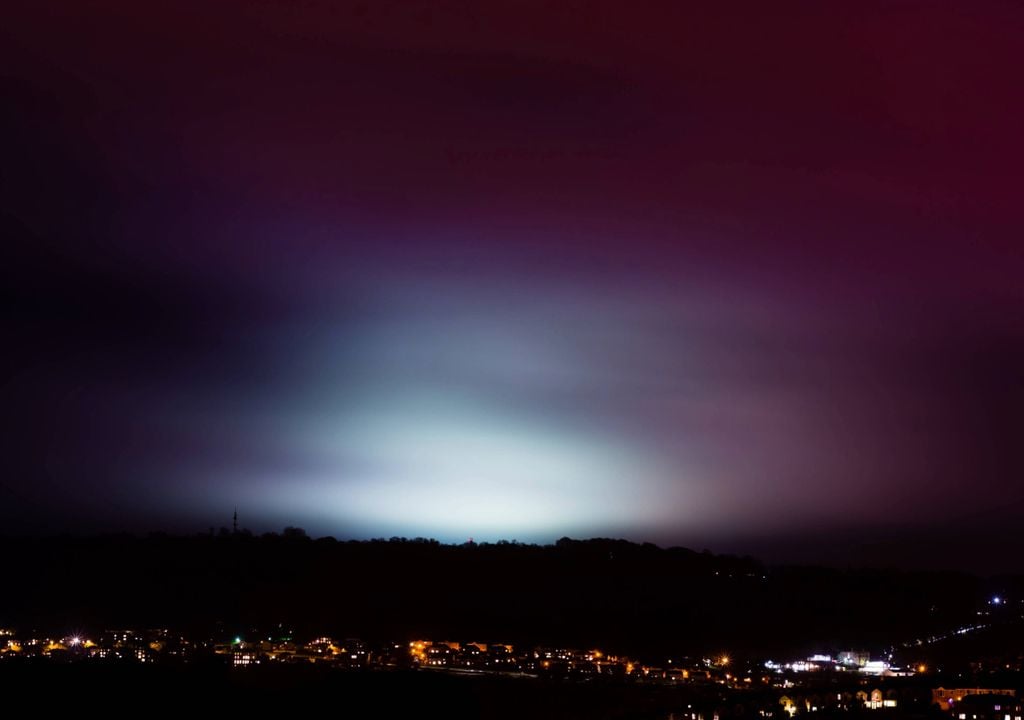
What do these findings mean for the future of moths?
The scientists warned that such a big impact on how moths behave had implications for the time they have for essential activities like finding food or mates.
They believe the behaviour could be down to artificial light confusing the moths’ sense of time, causing them to remain still as they do in the daytime, or because the light interferes with their vision.
“Our results suggest that light pollution has widespread effects on nocturnal moth activity, irrespective of lighting type,” said Dr Emmanuelle Briolat, from the Centre for Ecology and Conservation at Exeter’s Penryn Campus in Cornwall.
This could have important knock-on effects for moth populations and the ‘ecosystem services’ they provide, she warned. Moths are pollinators, and a key food source for many other species, from birds to bats.
Moth populations are in decline across Europe, with light pollution thought to be a significant contributing factor, she added.
“We already know that artificial lighting has many negative impacts on nocturnal insects, and our findings further stress the importance of preserving dark skies,” Briolat said.
News reference:
Emmanuelle Sophie Briolat et al, Severe and widespread reductions in nighttime activity of nocturnal moths under modern artificial lighting spectra. Proceedings of the Royal Society B, 28 January, 2026.