
No, there is no reason to be afraid of turbulence when flying
Fear of flying is relatively common and is often linked to a fear of turbulence. Aviation professionals say these pockets of unstable air are entirely natural and relatively easy to explain.
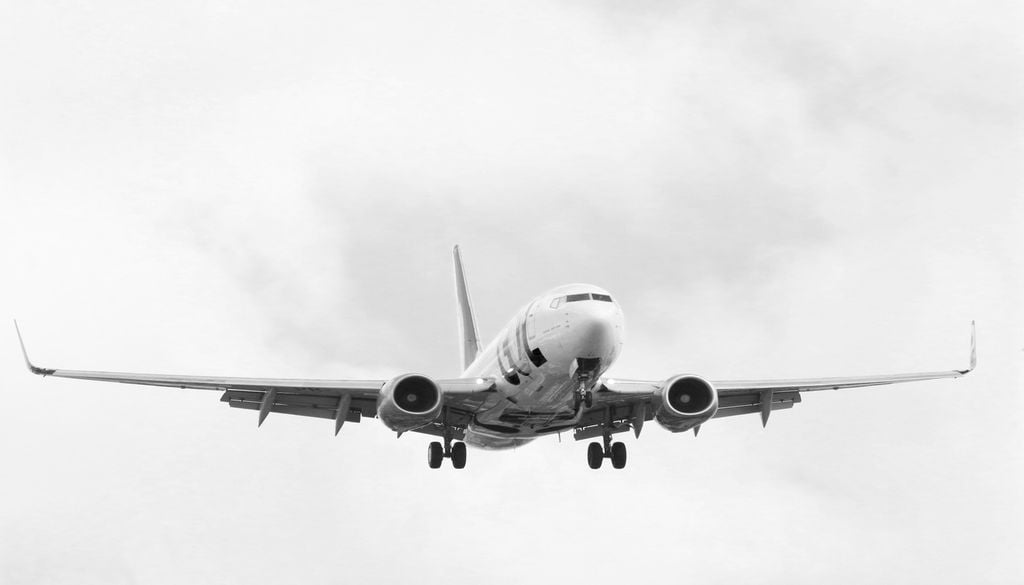
Fear of flying is relatively common and is often linked to a fear of turbulence. A sudden jolt, whether mild or severe, is enough to make our stomachs lurch. The seatbelt signs illuminate, and the captain's announcement asking passengers to remain seated with their seatbelts fastened can be extremely stressful for many people. For some, it has even become a genuine phobia.
Where does turbulence come from?
However, turbulence is an entirely natural phenomenon and is simply caused by pockets of unstable air. Its causes, origins and effects are often poorly understood by the general public. As a result, fears grow and misconceptions persist. Heather Poole, a flight attendant with many years of experience, believes that much of this anxiety stems from a lack of understanding of the subject.
Can turbulence really be dangerous?
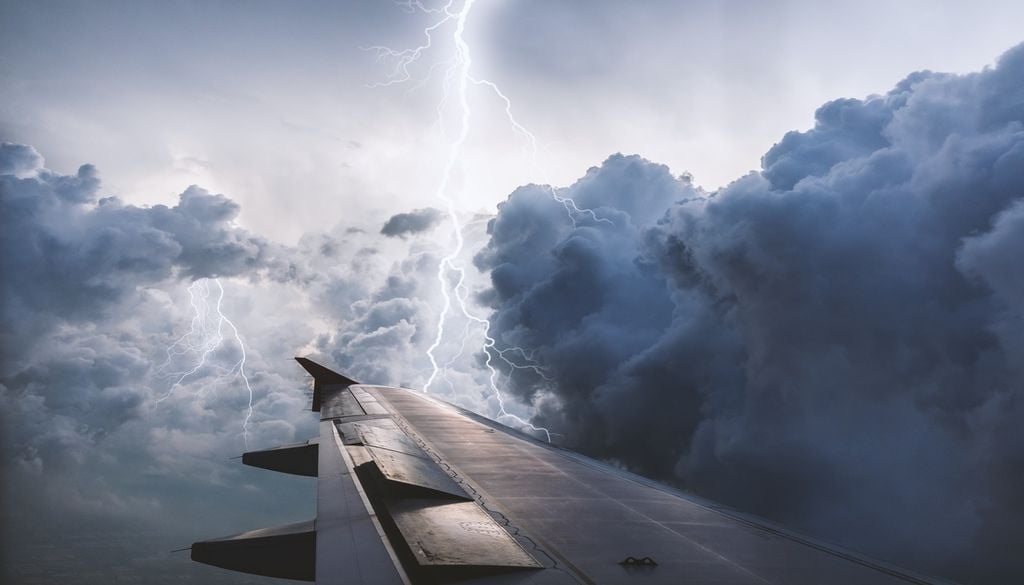
So what actually happens when turbulence occurs? An aircraft experiences turbulence when it encounters unstable air movement. This can be caused by thunderstorms, the jet stream or mountainous terrain. The movement of the air becomes disturbed, producing jolts that can range from barely noticeable to quite severe. However, it is extremely unlikely that turbulence alone would ever cause an aircraft to crash.
Aircraft are designed to be extraordinarily robust, even in the face of the most violent turbulence. Although pilots rely on weather reports that help them avoid certain areas, those forecasts can sometimes be inaccurate by several dozen kilometres. For that reason, aircraft are built to withstand a wide range of conditions.
At the National Center for Atmospheric Research (NCAR), Robert Sharman has developed a system capable of detecting turbulence in real time by analysing a range of factors, including airspeed, wind velocity and atmospheric pressure. Several airlines, including Air France, Qantas and Lufthansa, are already using the technology. He explained how the system works.
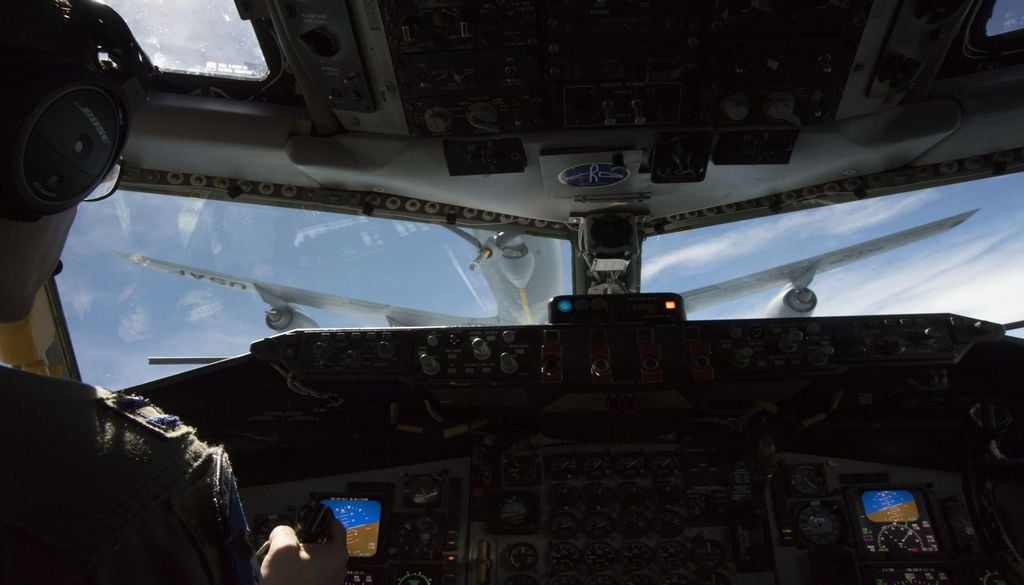
In any case, passengers who wish to reduce the likelihood of experiencing turbulence may benefit from flying early in the morning, as this generally lowers the risk. Likewise, choosing a seat closer to the front of the aircraft often makes the movement feel less pronounced. Whatever the circumstances, air travel remains one of the safest forms of transport.
News reference
Michelle Z. Donahue. (2026). Turbulences en avion : d’où viennent-elles et comment réagir à bord ?.