
Scientists at Kyoto University discover a surprising link between solar storms and earthquakes
A fresh study reveals a physical mechanism when intense solar activity disturbs the ionosphere, and how that can generate electric fields that penetrate the Earth's crust, triggerigng earthquakes
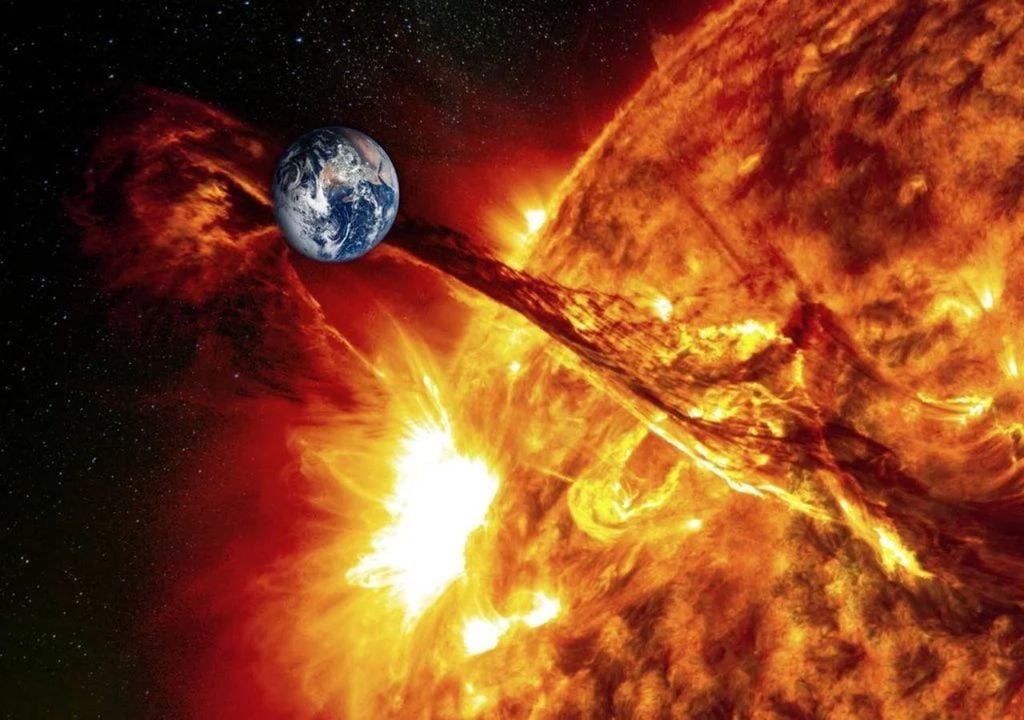
This scientific study is not intended to predict earthquakes, but it offers an innovative approach to how space weather and seismic phenomena may interact
How can the ionosphere affect fault zones?
The model proposed by the scientists assumes that the fractured regions of the crust contain water at extremely high temperatures and pressures, possibly in a supercritical state. Electrically, these fractured zones can function as capacitors. They are coupled to the Earth's surface and the lower ionosphere, creating a vast electrostatic system that connects the ground to the upper atmosphere .
Under conditions of intense solar activity, the electron density in the ionosphere has the potential to increase significantly , capable of producing a negatively charged layer in the lower ionosphere.
The resulting electrostatic pressure can approach levels similar to tidal or gravitational stresses , which are known to influence fault stability.
According to the team's calculations, ionospheric disturbances associated with large solar flares, which involve increases of several tens of TEC (Total Electron Content) units, can create electrostatic pressures of several megapascals inside these crustal voids .
Ionospheric anomalies are observed before major earthquakes
Unusual ionospheric behavior has frequently been detected before large earthquakes , ranging from spikes in electron density to drops in ionospheric altitude and slower propagation of medium-scale ionospheric disturbances. Scientists often interpret these changes as effects caused by the accumulation of stress within the crust.
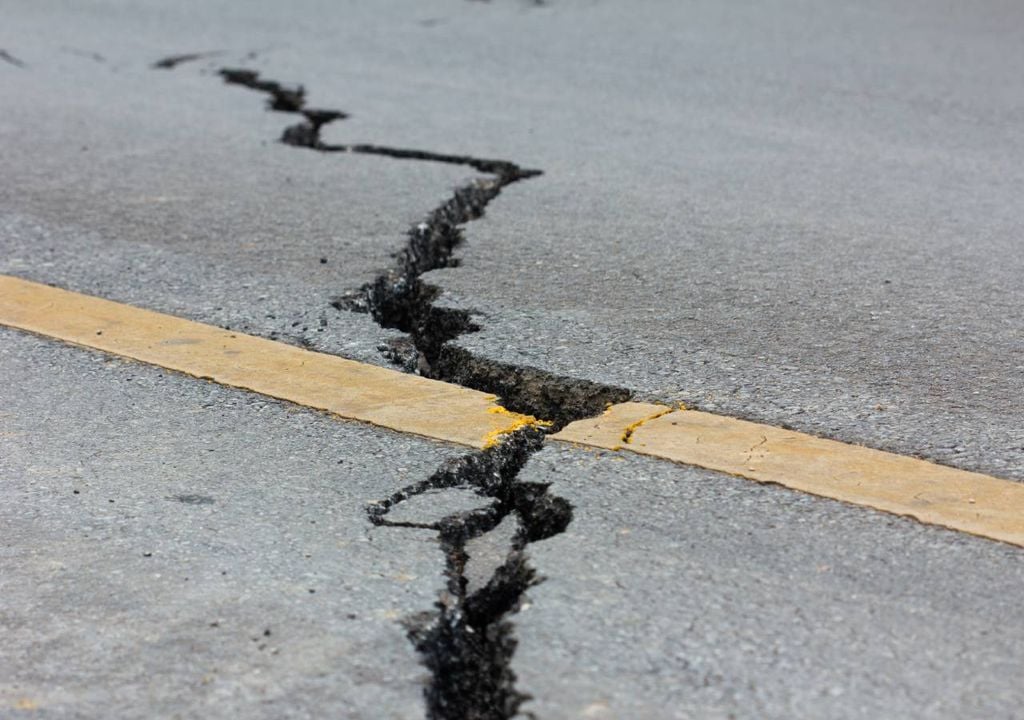
However, the new approach proposed by the Kyoto researchers suggests a bidirectional interaction in which processes within the Earth can influence the ionosphere, while ionospheric disturbances can also send return forces to the crust . The model builds a bridge between space weather and seismic activity without claiming that solar activity directly causes earthquakes.
The example of the earthquake on the Noto Peninsula and solar activity
Scientists cite recent major earthquakes in Japan, including the 2024 earthquake on the Noto Peninsula, as examples of events that occurred shortly after periods of intense solar flare activity, emphasizing that this timing does not prove cause and effect. However, it supports the idea that ionospheric disturbances may be a contributing factor when faults are already close to rupture .
Based on plasma physics, atmospheric science, and geophysics, this innovative approach expands the traditional view that earthquakes are caused solely by internal forces of the planet, highlighting that monitoring ionospheric conditions, along with underground measurements, can improve the understanding of how earthquakes begin and how seismic risk is assessed.
News references:
Acoplamento Capacitivo. Instronic.com.br. 2024.
Can solar storms trigger earthquakes? Scientists propose surprising link. Science News. 24 de fevereiro de 2026.
Possible mechanism of ionospheric anomalies to trigger earthquakes – Electrostatic coupling between the ionosphere and the crust and the resulting electric forces acting within the crust – Akira Mizuno, Minghui Kao, Ken Umeno. International Journal of Plasma Environmental Science and Technology. 3 de fevereiro de 2026.