
After a Successful Splashdown, What’s Next for Artemis?
After a historic journey beyond the Moon, NASA’s Artemis II mission has successfully concluded with a safe splashdown in the Pacific Ocean, providing key data to support a future crewed Moon landing.

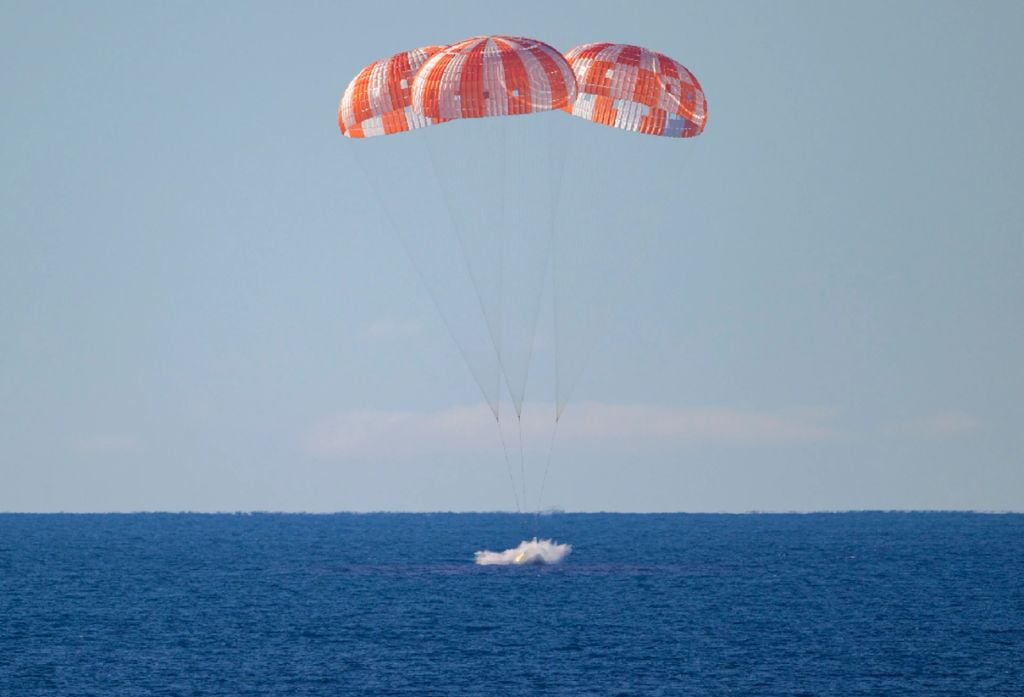
On April 10, Artemis II came to a successful end as the Orion spacecraft splashed down in the Pacific Ocean, an event witnessed around the world. With the mission now complete, expectations are higher than ever bringing a crewed Moon landing within reach after decades since humanity last set foot on the Moon, and signaling the dawn of a new era in space exploration.
A Milestone Splashdown in the Pacific
The Orion spacecraft reentered Earth’s atmosphere at high speed before deploying parachutes and landing smoothly in recovery waters, marking a major achievement for NASA and its deep space exploration program.
The splashdown not only validated the spacecraft’s heat shield and reentry systems, but also confirmed that Orion can safely return astronauts from deep space missions.
This Artemis mission represents a key step in returning humans to the Moon for the first time since Apollo 17. Engineers and scientists gathered valuable data throughout the flight, including performance in deep space, radiation exposure, and navigation far beyond Earth orbit.
The mission also tested systems that will support long-duration human spaceflight, a necessary milestone before astronauts can safely travel back to the lunar surface and eventually beyond.

What Comes Next: Artemis III
With a successful splashdown complete, attention now turns to Artemis III. This mission will test life-support systems, crew operations, and manual control capabilities. It is designed to ensure that astronauts can safely travel to lunar distance and return, paving the way for more ambitious missions.
The next major milestone will be Artemis IV, which aims to land astronauts on the lunar surface. This mission is expected to include the first woman and the next man to walk on the Moon.
Artemis IV will rely on new technologies, including a human landing system and expanded international partnerships. The mission will target the Moon’s south polar region, where water ice may exist, an essential resource for future exploration.
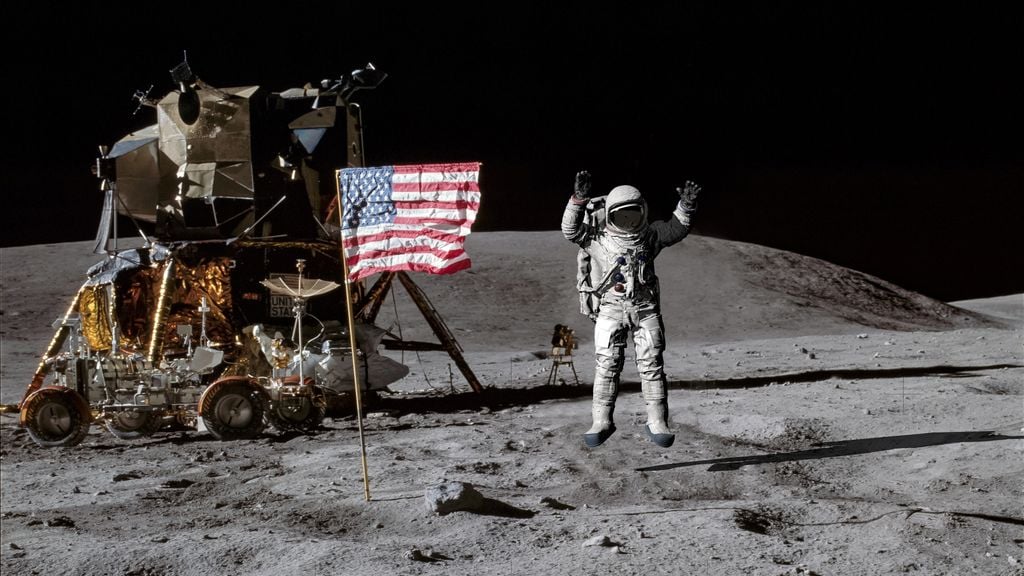
Beyond individual missions, Artemis is part of a broader strategy to establish a sustained human presence on and around the Moon. This includes plans for the Lunar Gateway, a space station that will orbit the Moon and serve as a staging point for missions.
The successful Pacific splashdown marks more than just the end of a mission, it signals the beginning of a new era in human space exploration. With Orion proven capable of deep space travel and safe return, NASA is now closer than ever to sending astronauts back to the Moon surface.
Each Artemis mission builds on the last, steadily advancing toward a future where humans not only visit the Moon again, but stay, and prepare for the journey to Mars.