
COP30: 111 countries have already submitted reports with climate targets
At the start of COP30 in Belém, Director Ana Toni announced a record number of NDCs submitted and highlighted the progress made in negotiations on adaptation, technology and a just transition in the fight against climate change.
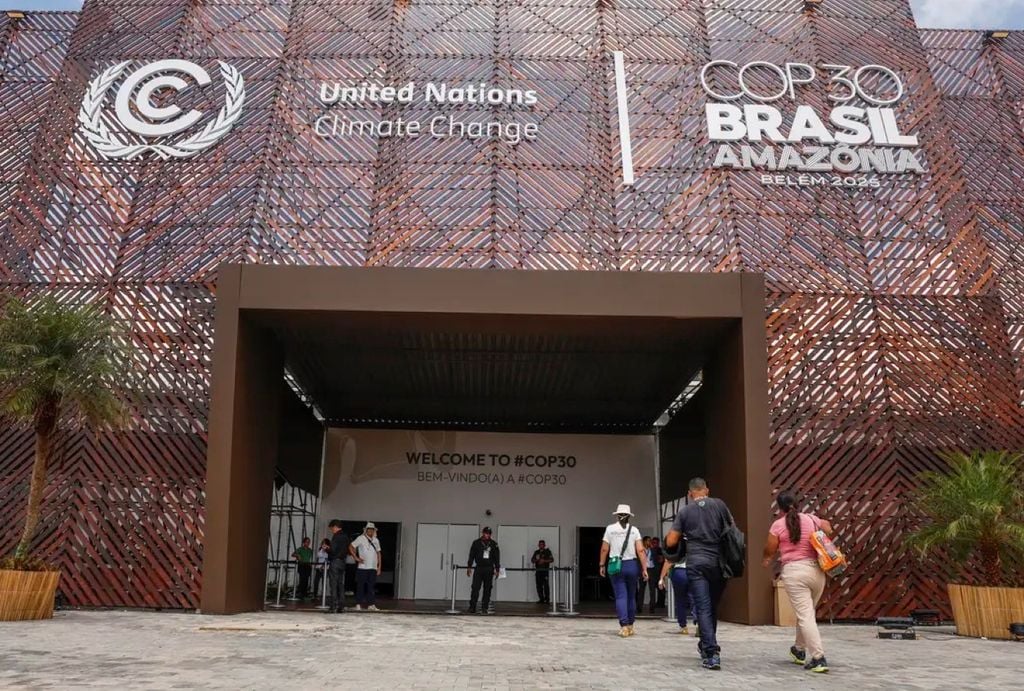
The start of the 30th United Nations Climate Change Conference (COP30) , held in Belém, Brazil, was marked by a historic announcement: 111 countries have already submitted their reports on climate targets , known as Nationally Determined Contributions (NDCs) . This information was confirmed last Monday, October 10, by the event's executive director, Ana Toni.
The Nationally Determined Contributions (NDCs), established under the 2015 Paris Agreement , represent each country's commitment to reducing greenhouse gas emissions . According to the agreement, national plans must be reviewed and updated every five years by the 195 signatory countries . Before the conference opened, only 79 countries had submitted their targets.
“This afternoon we learned that we already have 111 published NDC reports. We have 194 countries accredited for Belém, which demonstrates that we are strengthening multilateralism ,” Ana Toni celebrated during a press conference at the COP30 convention center.
Brazil and the importance of climate adaptation
Among the countries that have already presented their targets, Brazil stood out with one of the most ambitious plans: to reduce greenhouse gas emissions by 59% by 2035. The Brazilian government has also reinforced its commitment to the energy transition, the fight against deforestation, and the promotion of a green economy in the Amazon.
The director also celebrated the fact that the official agenda was approved on the first day , something that hadn't happened in four years . "Opening the agenda on the right day might seem like a minor detail, but it's crucial. Without it, we can't move forward on other matters," she noted.
145 topics under debate and the challenge of technology
In total, COP30 will address 145 priority issues before its closing on November 21. These include the just transition, climate finance, the global balance sheet, adaptation, biodiversity, and technological innovation . According to Ana Toni, technology is expected to be one of the most complex points of negotiation.
The Paris Agreement envisions technology transfer and capacity building to help developing countries implement their Nationally Determined Contributions (NDCs). However, this issue has met with resistance from developed countries. "This is one of the most important and complex issues. We must ensure that the poorest countries have access to the technologies needed to accelerate their adaptation plans," Ana stated.
The debate on technology had already begun in June, during the Subsidiary Bodies Session (SB60) held in Bonn, Germany, a preparatory meeting for COP30. "At the Bonn meeting, this was one of the few issues that did not reach consensus. We want to move forward now in Belém and demonstrate that it is possible to strengthen international cooperation on climate innovation," the director emphasized.
News references
Brazil Agency. COP30: 111 countries submit reports of climate goals . 2025