
Do You Sleep Poorly? What Would Happen If Your Sleep Were Disturbed by This Unexpected Substance?
In addition to anxiety and caffeine, Norwegian scientists have identified a very specific cocktail of molecules as responsible for disrupting our nights. What's this?
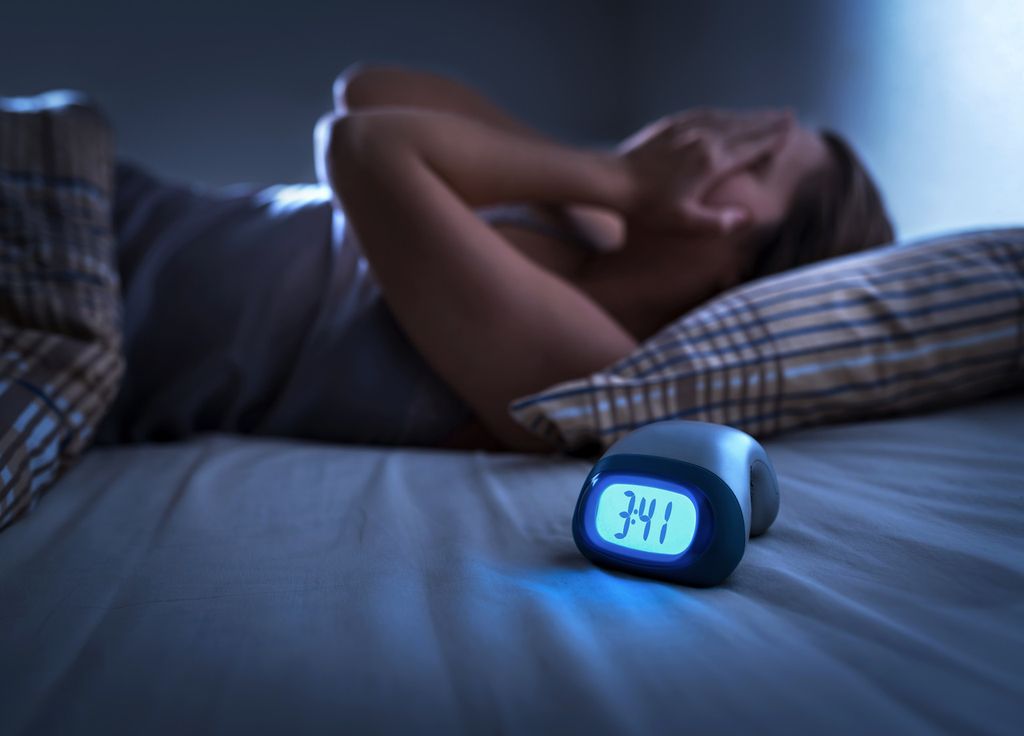
You might experience the negative effects of nighttime insomnia on a daily basis: daytime fatigue, difficulty concentrating and paying attention, irritability, lower quality of life, and even mental health issues. But do you really know why you sleep poorly? Three Norwegian scientists might have a clue—and it could surprise you!
Sleeping like cardboard because of plastic?
Anxiety, stress, or too much coffee aren't the only causes of insomnia, according to these scientists’ study, published this past April in the journal *Environment International*. If, like 20 million French people (about one in three), you suffer from sleep disorders, plastic could be to blame!
To reach this conclusion, researchers from the Norwegian University of Science and Technology exposed human cells to a cocktail of molecules from two of the most common plastics: polyurethane and PVC. To their surprise, they found that this mixture interfered with the circadian rhythm—in other words, with our internal clock and sleep cycles.
Our biological clock, which makes us sleep at night and wake up during the day, is actually regulated by receptors in brain cells called adenosine receptors, which trigger chemical reactions that send signals to wake us up.
Adenosine & Sleep #sleep #circadianrhythm #sleeppressure #adenosine #caffeine #bettersleep #wellbeing pic.twitter.com/AaWFZ1iIsw
— Albin Perigault (@albin) October 14, 2023
Indeed, these receptors are stimulated by adenosine… but also by substances found in polyurethane and PVC. What’s even more concerning is that to carry out their experiment, the researchers used everyday items—a hydration tube and a water bag used for running—which they cut up to extract the chemical components.
Falling asleep 10 minutes later
When these plastic molecules activate the receptors, the circadian period—which includes both sleep and wake cycles—shifts by 10 to 20 minutes: we fall asleep later! Caffeine, on the other hand, inhibits adenosine receptors, which in turn lengthens the circadian cycle and extends wakefulness beyond the day.
You quit caffeine but still can't sleep? Plastics may be to blame. New study finds PVC chemicals disrupt your biological clock, shifting it by up to 17 minutes a day. The quiet danger lurking in everyday items. #SleepDisruption #Plastics #BiologicalClock #PVC #HealthResearch pic.twitter.com/P6PLYQvxjC
— shin07_07 (@shinO7_O7) May 14, 2025
However, the scientists noted that out of the 16,000 substances identified in plastics, it is still unknown which ones specifically affect our sleep. But other studies have already demonstrated their effects on cancer incidence, obesity, diabetes, immune dysfunction, reproductive issues, and child development.
But knowing that drinking water from a plastic bottle, watering plants, or simply doing laundry can expose us to microplastics should mobilize the entire political sphere. Doctors warn, scientists provide the proof, journalists spread the word—and nothing changes...
News references:
Geo. Disturbed sleep? Plastic could play a role, suggest Norwegian scientists.
M. McPartland et al., *Environment International* (2025). Plastic chemicals disrupt molecular circadian rhythms via adenosine 1 receptor in vitro.