
Don't miss the next Eta Aquariid meteor shower, we give you these recommendations
The Eta Aquariid meteor shower peaks on May 6. Associated with Halley's Comet, it promises dozens of shooting stars before dawn in dark skies.
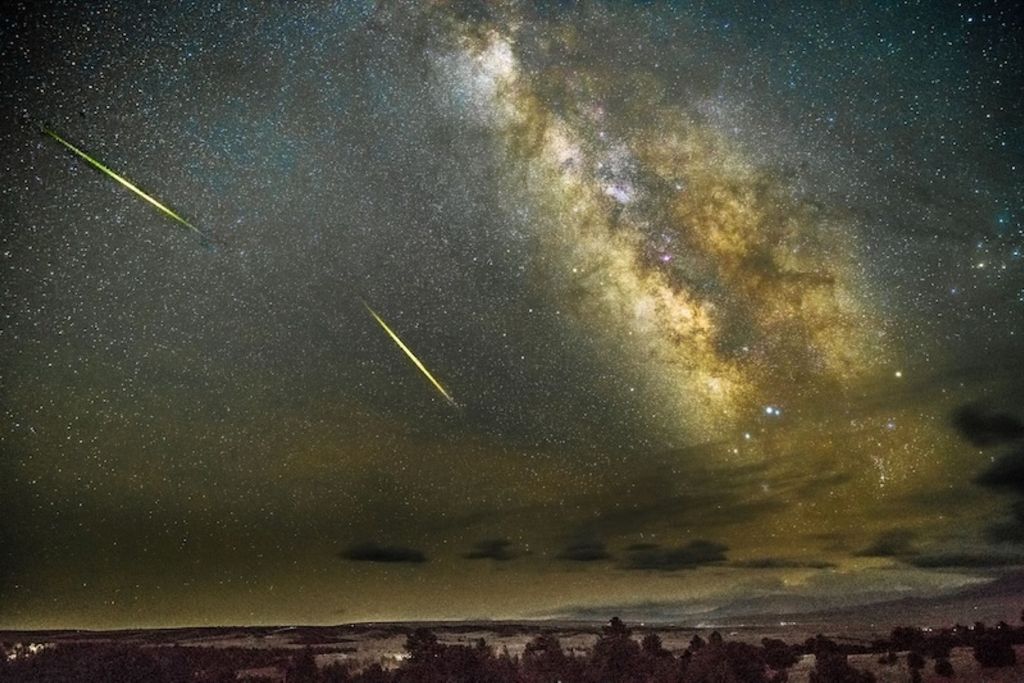
Although we won't see Halley's Comet again until 2061, every year in May, Earth, and we with it, pass through the trail of debris left by this famous visitor as it circles the Sun. These trails are known as the Eta Aquariid meteor shower.
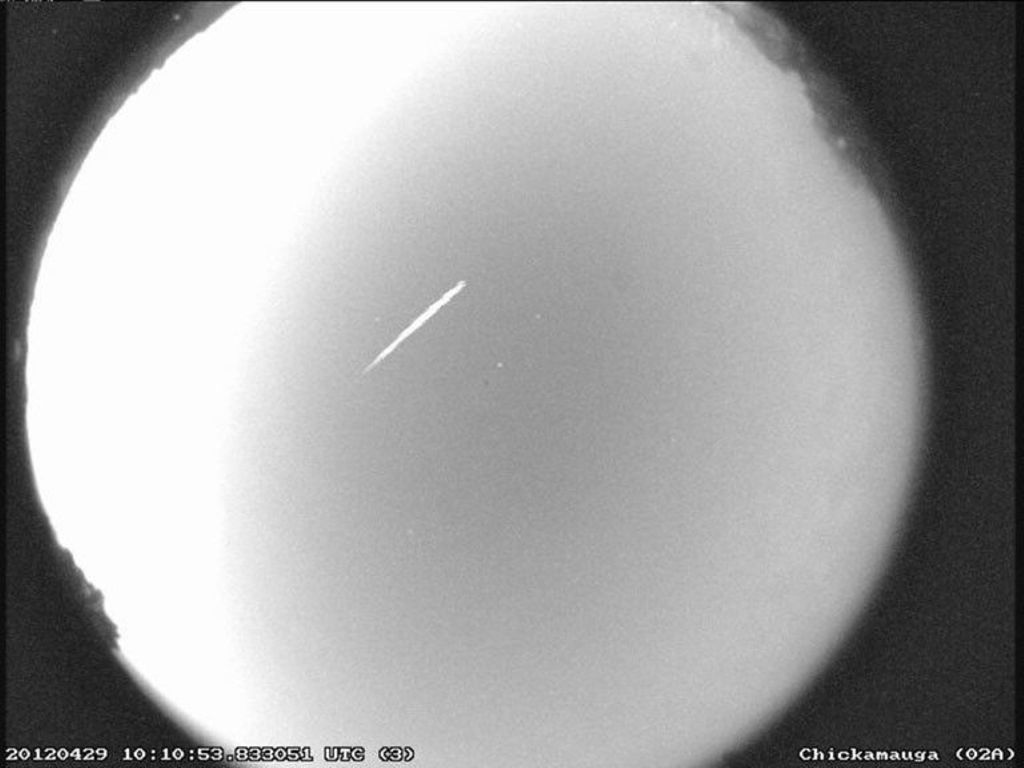
And they are not only known for their origin, but for their speed and brightness when crossing the Earth's atmosphere, all thanks to the fact that they cross it at speeds close to 66 kilometers per second , which causes bursts of intense and brief light, generating luminous trails for several seconds.
Typically, they occur in late April and throughout May, with their peak activity occurring in the early evenings of May. This year, 2025, the peak will occur on the night of Sunday the 5th and the early morning of the 6th , when up to 50 meteors per hour are expected.
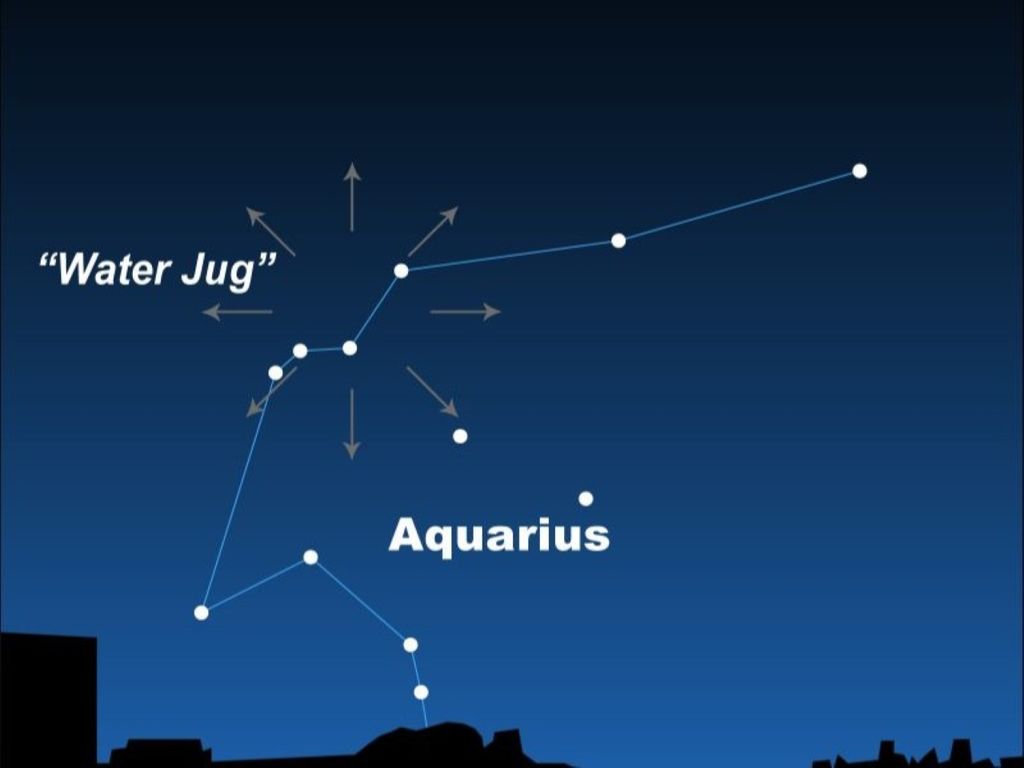
All you need to do is get out of the city a little, get away from the light pollution, find a good place to lie down, and voila, you can enjoy this ancient connection with one of the most famous objects in history. Just look at the constellation of Aquarius.
How to see the Eta Aquariids in 2025
In 2025, its activity will be from April 19 to May 28 , while its peak activity is expected for the early morning of May 6. It is expected to have a meteor shower rate that could reach up to 50 objects per hour, mainly in dark locations.
The best time to observe this shower is just before dawn, between 4:00 and 5:00 a.m. , when the radiant from which the meteors appear to originate, the constellation Aquarius, will be highest in the sky. You won't need a telescope or binoculars; your eyes are the best tool.
In Mexico and the rest of the Northern Hemisphere, observation is forecast to be good, although the Southern Hemisphere will have even more favorable conditions due to the absence of clouds. If the sky is clear and there is little light pollution, you will have a greater chance of seeing several dozen meteors crossing the celestial vault.
Although the radiant is in Aquarius, don't focus on a fixed point; meteors can appear anywhere in the sky . Lie down on a blanket or chair and look east or toward the zenith for the best results. Also, since you don't need a telescope, your field of view is expanded.
Tips to enjoy the show to the fullest
To fully experience the meteor shower, it's best to find a spot away from the city, where it's naturally dark and the horizon is clear . The fewer obstacles there are, such as trees, buildings, or fog, the wider your field of view will be, and the greater your chances of capturing the meteors.
Avoid using binoculars or cameras with flash. These instruments limit peripheral vision and, rather than helping, hinder the experience. It's best to observe calmly and without distractions, and if you want to capture the moment, leave your camera on long exposure while you enjoy the view.
Remember to bring warm clothing, a blanket or a reclining chair, and some patience. It will take your eyes about 20 minutes to adjust to the darkness , but I assure you it will be worth the wait. Don't forget to turn off your cell phones and light-emitting devices to maintain optimal night vision throughout the observation.
If you're lucky enough to see a meteor with a "long trail"—that is, one that leaves a luminous trail that lasts for several seconds—you'll witness one of the most beautiful visual effects of this shower. These bright trails look like brushstrokes across the sky and may even have a different color.
An ancestral connection with the sky
The Eta Aquariids are not just a scientific phenomenon; they're also part of our cultural and emotional connection to the cosmos . Ancient civilizations observed meteor showers and interpreted them as divine signs, omens, or messages from the gods.
Today we know they are fragments of a comet, and that they hold no special significance, yet they still amaze us. Knowing that a particle released from Halley's comet a thousand years ago, or 39 years , just lit up the sky above our heads reminds us of how ancient and vast celestial processes are.
Furthermore, observing these phenomena strengthens our connection with time, because just as others saw this same spectacle centuries ago, we now contemplate it in new lights, with cameras, science, and wonder, but with the same excitement of seeing something immense and inexplicable.
Don't miss this opportunity and remember: on the night of May 5th and early morning of May 6th, spend a few minutes looking up at the sky . Of course, weather permitting, they may not illuminate the entire century, but remember that each Eta Aquarid is a cosmic spark that briefly lights up the May night sky.