
Extreme Heat on the Rise: Discover How Climate Change Threatens Our Bodies and Health
As climate change fuels hotter days, our bodies face growing risks. Scientists warn that even healthy people are vulnerable to heat stress, highlighting the urgent need for awareness and prevention.
- More information: Climate Change Threats to Mothers' and Children's Health
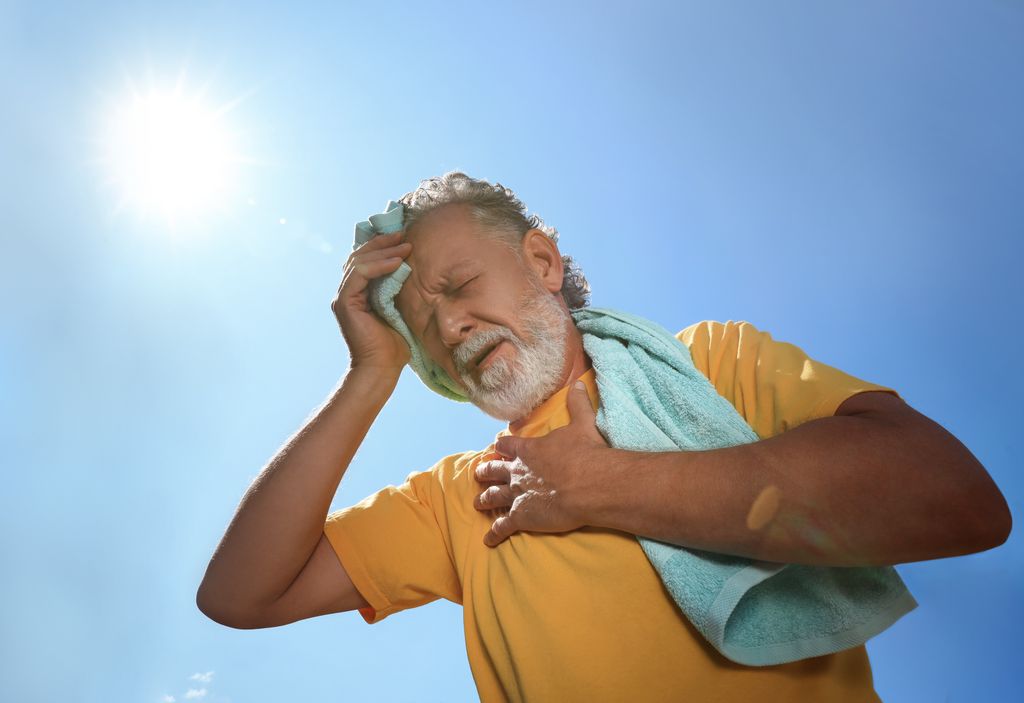
Every year, heat waves break new records across the globe, disrupting daily life in unexpected ways. But beyond the discomfort, scientists say heat poses unique challenges inside the human body. As rising temperatures become the new normal, understanding these hidden risks has never been more important.
How Heat Impacts the Body
Our bodies are built to keep a steady internal temperature, usually between 97.7°F and 99.5°F. When outside temperatures spike, the brain’s thermostat (the hypothalamus) sends signals to help cool us down, such as sweating and sending more blood to the skin’s surface.
But if these natural systems are overwhelmed, heat begins to take a dangerous toll, sometimes bringing the body close to heat stroke in as little as 30 minutes of extreme activity in high heat.
Heat Warning = Take Action! Stay safe from extreme heat. Stay hydrated & check on neighbors! #ExtremeHeat #HeatWarning #StayCool pic.twitter.com/c3FmPtGCkY
— Queen Anne's Co. DES (@QACDES) August 12, 2025
If body temperature soars to 105°F, cells can rupture and spill into the bloodstream, overwhelming organs like the kidneys and liver and leading to life-threatening conditions. Without quick intervention, organs can fail and the risk of death rises dramatically.
Heat and the Mind: Cognitive Risks and Vulnerable Groups
Heat can also affect the mind. Mental function declines as dehydration and heat stress worsen, with confusion, headaches, and even personality changes signaling danger. Researchers have found that high temperatures can harm problem solving, memory, and focus—sometimes making people act as if they are intoxicated, heightening risks for bad decisions and injury.
Anyone can suffer in extreme heat, but athletes, outdoor workers, and children face the highest risks when active. Older adults and people with health conditions can struggle even at rest.
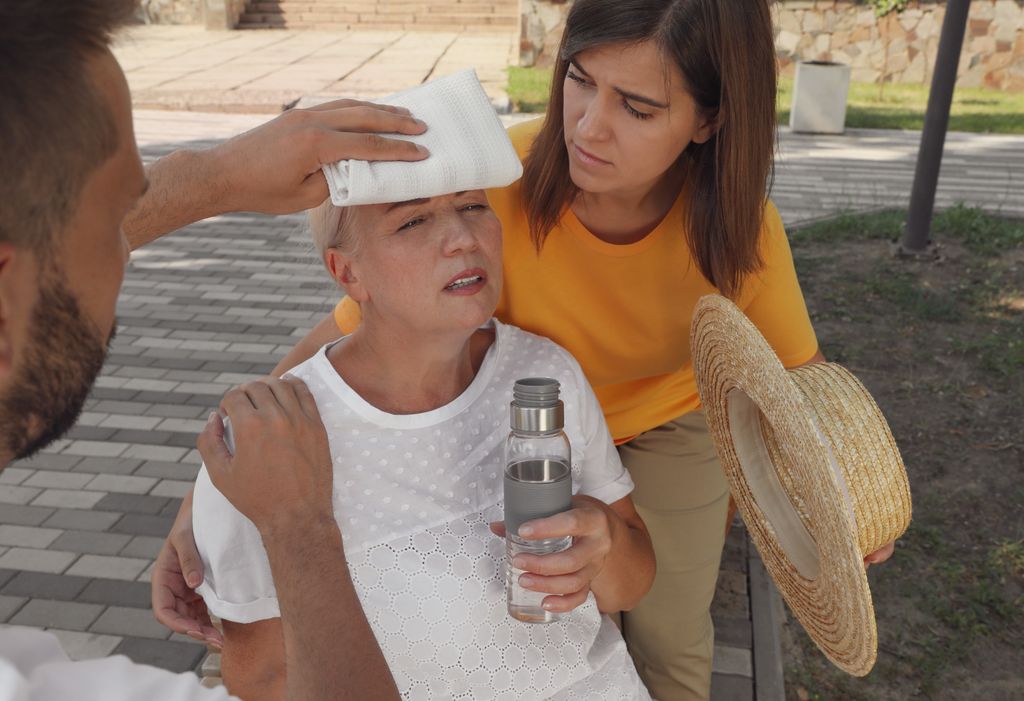
Passive heat illness can develop when vulnerable people are simply unable to release excess heat—this includes babies and the elderly, as well as those taking certain medications.
Cooling Down: Prevention and Response
The effects of heat exposure go well beyond the obvious emergencies. Repeated or long-term exposure to high temperatures may accelerate aging at the cellular level, as new research finds that living in hot environments can make DNA age faster—adding the equivalent of a year to a person’s biological age in some cases.
In places like Texas, where record-breaking heat is now a yearly event, public health experts are pushing for new research and better protocols to protect communities.
Early action is the best defense. Experts recommend moving to a cooler space, drinking water, and removing extra clothing at the first sign of heat stress. For those in danger of heat stroke, aggressive cooling is vital—immersion in cold water is the most effective method, often used at sporting events to save lives.
News references:
Global Heat Health Information Network. “Managing and Adapting to Heat in the Body.” https://heathealth.info/in-the-body/
Gopal, K. "What Extreme Heat Is Doing to Your Body" https://insideclimatenews.org/news/02102025/extreme-heat-effect-on-the-body/