
How El Niño threatens to disrupt weather around the world by warming the Pacific Ocean
When El Niño develops in the Pacific, it shifts the jet streams, triggers extreme droughts and flooding, and puts marine ecosystems under stress. Here’s everything you need to know.
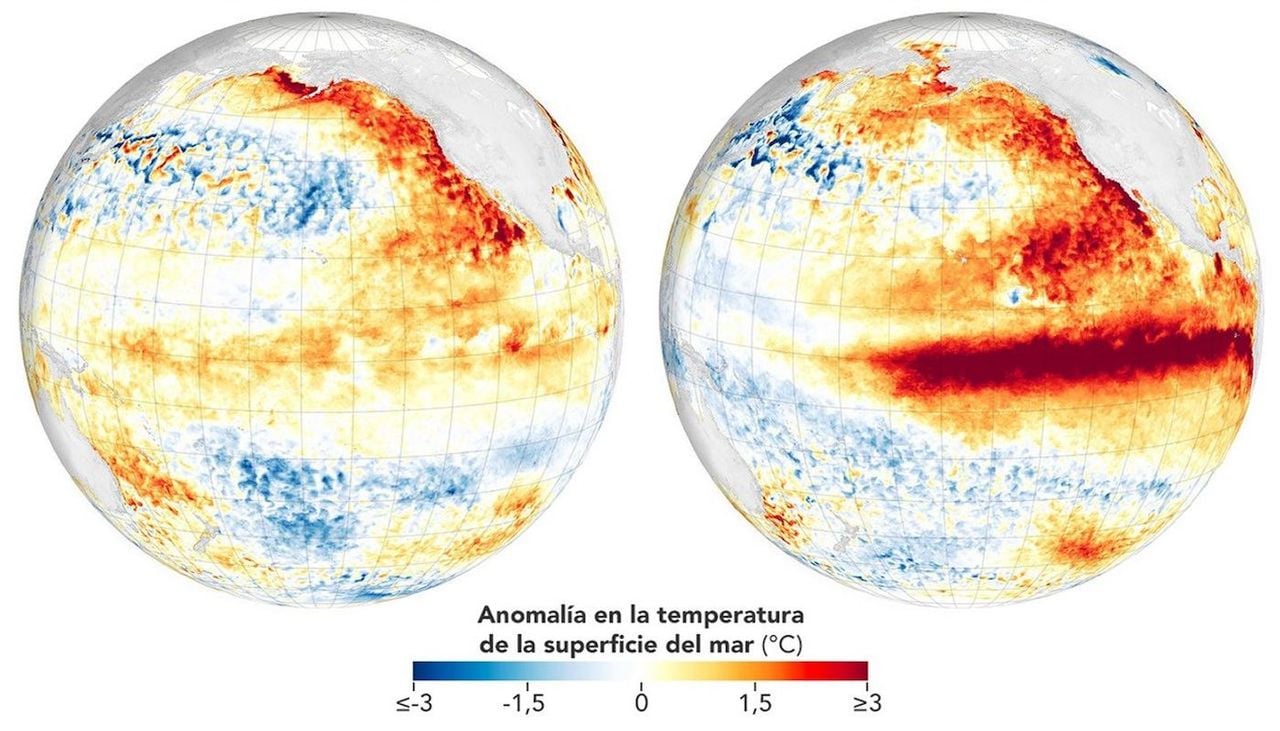
The ocean contains a complex underwater system that helps regulate the planet's thermostat. Deep below the surface, currents and water masses converge and transport heat and nutrients for thousands of miles. When the temperature of these layers changes, it can trigger a chain reaction that transforms weather patterns around the world.
The equatorial Pacific acts as Earth's primary heat reservoir because it receives intense solar radiation. Under normal conditions, the trade winds push warm water toward Asia and Oceania, concentrating heat in the western Pacific while maintaining a steady flow of nutrients along the coasts of the Americas.
The warm phase begins when the trade winds weaken or reverse direction. Without that push, the enormous mass of warm water flows eastward, extending as deep as 200 meters before reaching the coasts of the Americas, altering the ocean's thermal structure along the way.
How El Niño affects the atmosphere
This ocean warming directly alters global atmospheric circulation. Massive evaporation from unusually warm waters releases enormous amounts of energy, shifting the path of the jet streams and disrupting rainfall patterns around the world.
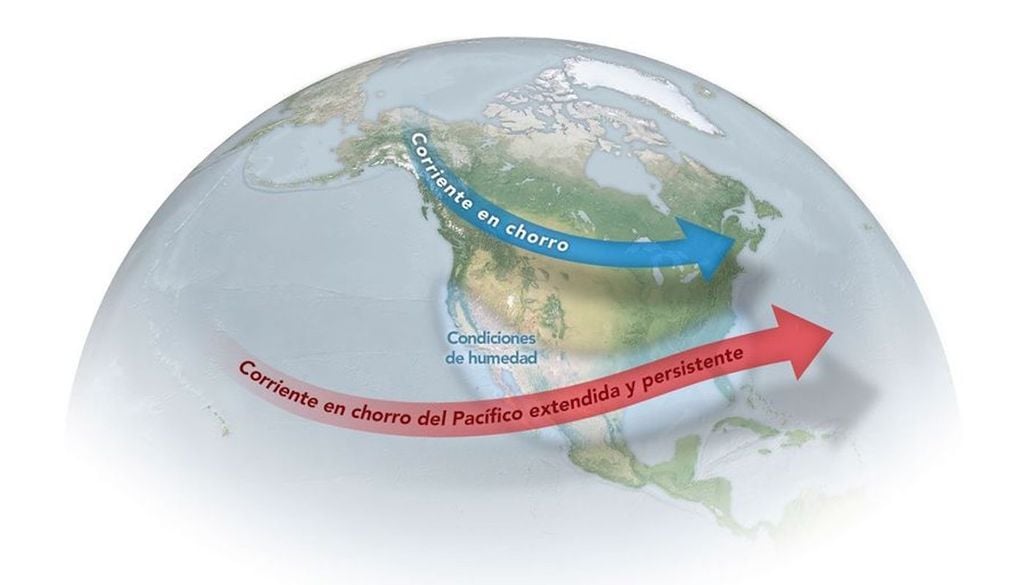
Globally, the weather impacts of ENSO's warm phase can be devastating. While some regions experience prolonged drought, wildfires and extreme heat waves, others face torrential rainfall, severe storms and historic flooding that can threaten communities.
Risks to marine ecosystems and abrupt changes in ocean cycles
In the ocean, the advance of warm water puts marine ecosystems under stress through the formation of Kelvin waves. This pulse of warm water pushes down the cold, deep layer known as the thermocline, blocking the upwelling of nutrient-rich water that supports coastal species.
Disrupting this vital flow can lead to a collapse of the marine food chain. A lack of food can cause fish, seabirds and marine mammals to migrate or die in large numbers, while also disrupting fishing activity and dealing a major blow to local economies.
Excessive ocean warming can also trigger severe coral bleaching events. Extremely warm waters place reefs under widespread stress, threatening marine biodiversity and weakening the natural protection reefs provide to coastlines.
Monitoring ENSO
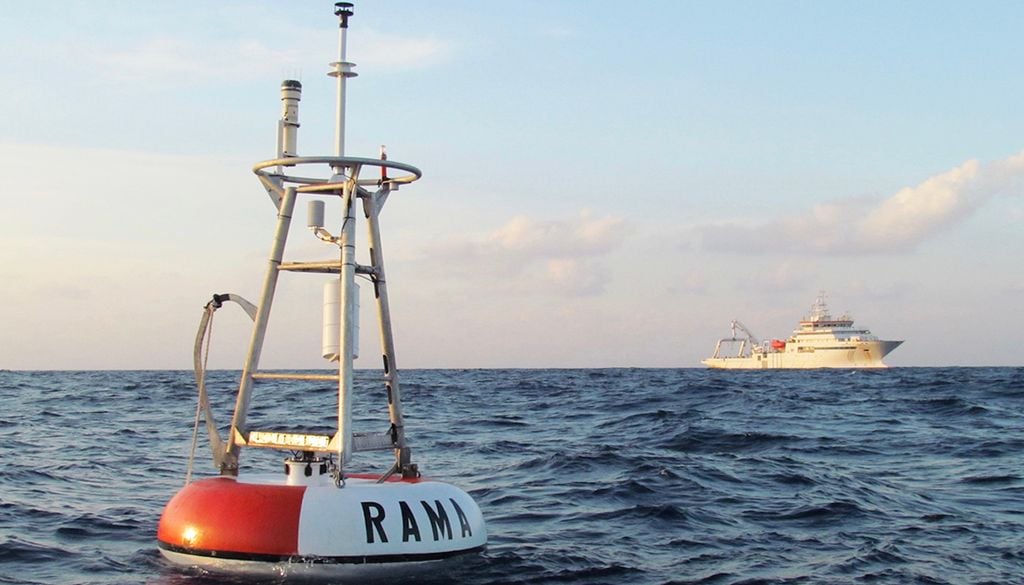
To track these changes, a global network of more than 4,000 in-situ instruments is deployed across the oceans. Buoys, drifting devices and Argo floats continuously dive to depths of up to 300 meters to measure changes in temperature and salinity in real time.
At the surface, weather satellites complement these observations by measuring infrared radiation from the ocean's surface. These tools make it possible to evaluate areas of unusually warm water and track sea-level rise caused by the thermal expansion of seawater.
Official institutions such as the World Meteorological Organization (WMO), meteorological services and agencies around the world, and the National Oceanic and Atmospheric Administration (NOAA) confirm the presence of El Niño when the sea surface temperature anomaly in the "Niño 3.4" region exceeds 0.5°C above average for three consecutive months.
Understanding and monitoring this massive heat engine is vital for anticipating future weather and climate disasters.
News references
Michael Carlowicz and Stephanie Schollaert Uz, NASA. (October 2, 2024). Changes in Pacific winds and currents produce warm and unpredictable atmospheric conditions.
Jessica Mkitarian, NOAA. (September 19, 2024). Three ocean observing platforms that are keeping an eye on ocean heat.