
Living near parks helps fight abdominal obesity, these are its surprising benefits
Abdominal obesity is not just an aesthetic problem, but a red alert for health. Diseases such as type 2 diabetes and hypertension are closely linked to the accumulation of fat in the waist.
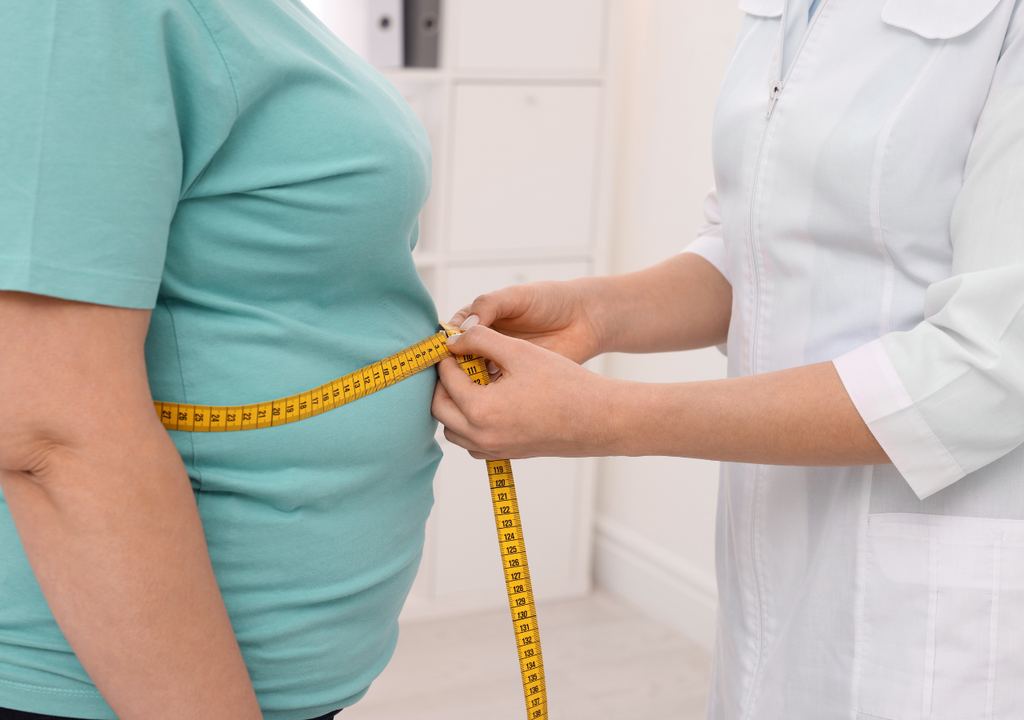
In recent decades, urban growth has drastically changed our lifestyle. Greater dependence on electronic devices, increased consumption of ultra-processed foods and lack of physical activity have generated negative consequences for health.
Among these problems, abdominal obesity has become a global concern due to its strong association with metabolic and cardiovascular diseases. Can the environment help us with this problem?
Living near parks is the key to reducing obesity
Excess fat in the abdominal region is not only a cosmetic issue, but also a risk indicator for diseases such as type 2 diabetes, high blood pressure and heart problems. Despite individual efforts to improve health through diet and exercise, the environment also plays a key role in preventing this condition.
A study published in Public Health Reviews has revealed that living near parks and green spaces can significantly reduce the likelihood of developing abdominal obesity. According to the researchers, adults who live in areas with more urban vegetation are up to 20% less likely to have an excessive accumulation of fat around the waist compared to those who live in areas with less natural spaces.
Benefits of green spaces on health
The relationship between urban environments and abdominal obesity is largely due to the fact that green areas promote a more active lifestyle. Parks and tree-lined trails encourage exercise by offering pleasant places to walk, jog or cycle . They also allow people to incorporate physical activity more naturally into their daily routine, which helps reduce the accumulation of fat in the abdomen.
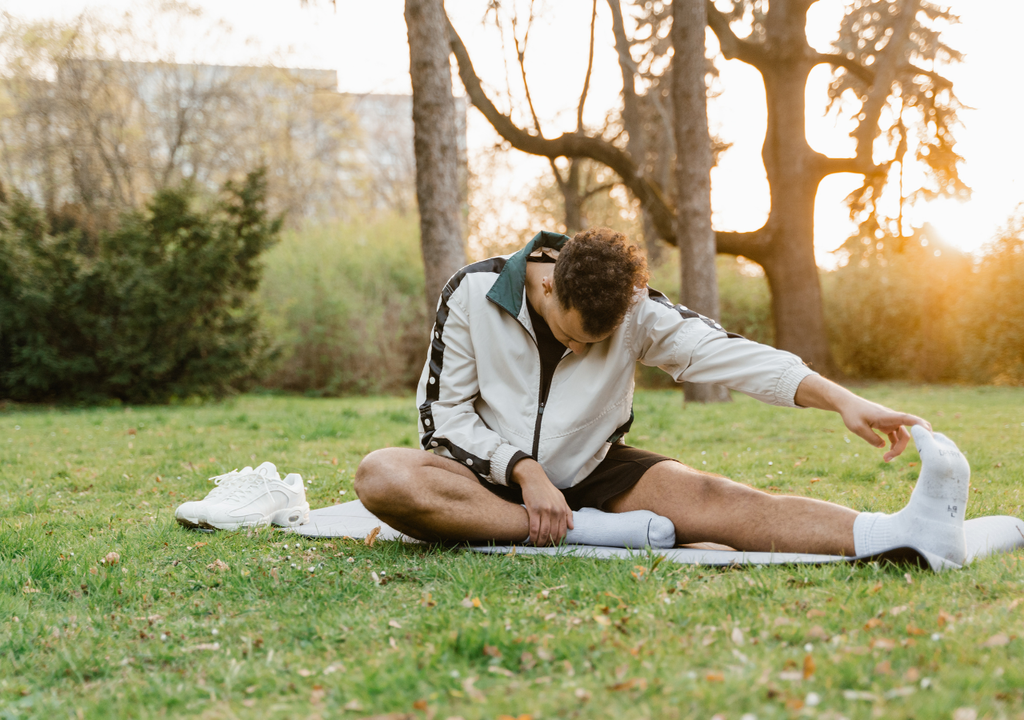
Moreover, these benefits do not affect all demographic groups equally. The study highlighted that women and low-income people benefit most from living near green spaces.
Women have been observed to walk more than men and prefer less intense activities, such as outdoor walks. On the other hand, people with lower socioeconomic status tend to rely more on public transport and walking, which increases incidental physical activity.
Rethinking urban design for a healthy future
Rapid urbanization has reduced natural spaces in many cities around the world, which has had a negative impact on the health of their inhabitants. However, the findings of this study reinforce the importance of incorporating more green areas into urban planning. Investing in parks, gardens and green corridors not only beautifies the landscape, but also contributes to the prevention of chronic diseases and the promotion of a healthier lifestyle.
Living close to green spaces could be an effective strategy to reduce abdominal obesity and improve public health in general. As cities continue to grow, it is critical that urban planners consider creating healthier environments, where access to nature is a priority for all citizens.
News reference
Marcilla-Toribio, Irene, et al. February 2025. Surrounding Residential Greenness and Health: Associations With Abdominal Obesity and Dyslipidemia. A Meta-Analysis of Cross-Sectional Studies . Public Health Reviews.