
PAHO warns of how El Niño will impact public health across the Americas
El Niño is back! The oceans and atmosphere are aligning for its expected development in 2026. Forecasts warn that its global impacts and dramatic weather shifts will intensify and persist into early 2027.
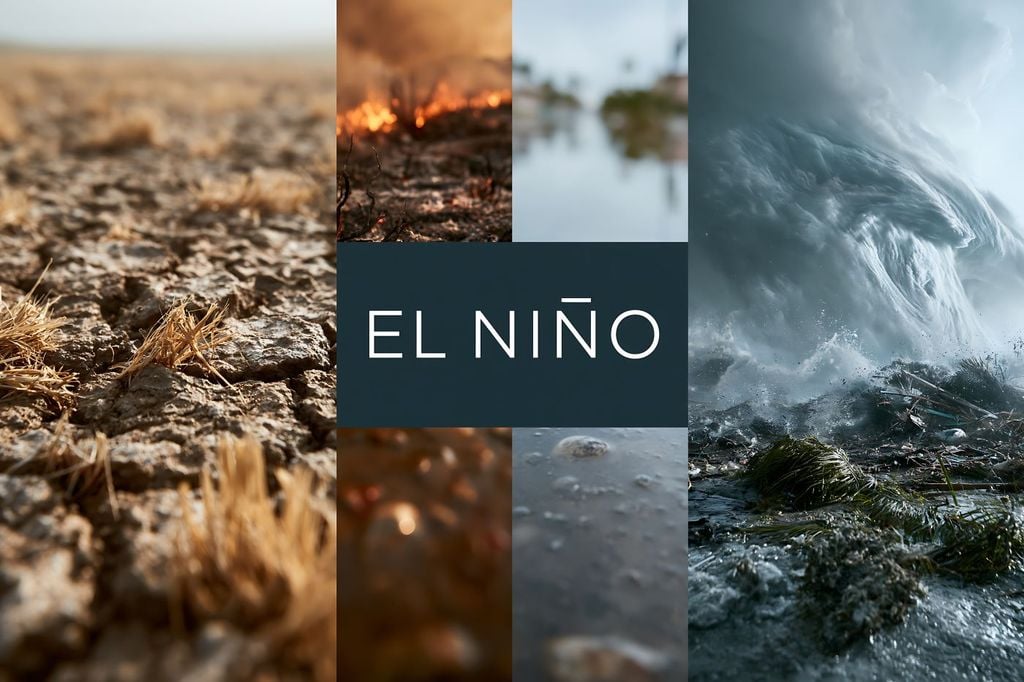
The Pan American Health Organization (PAHO) has published an analysis of the potential public health impacts of the 2026–2027 El Niño event. The report examines how extreme weather events, including droughts, floods and heat waves, could affect population health, health services and other key determinants of health.
It also provides recommendations to strengthen countries' preparedness and response to possible climate scenarios. Meteored is bringing you this information firsthand so you can take precautions and help protect yourself and your family.
Experience from previous El Niño events, including the 2023–2024 episode, demonstrates the potential for significant impacts on food security, water availability, livelihoods, public health and critical infrastructure.
El Niño and vector-borne diseases
Climate anomalies associated with El Niño can contribute to a higher risk of vector-borne, waterborne and foodborne diseases, as well as heat-related illnesses.
They can also lead to respiratory impacts linked to wildfires, food insecurity, displacement and disruptions to health services, particularly among populations already affected by poverty, migration, displacement or limited access to essential services.
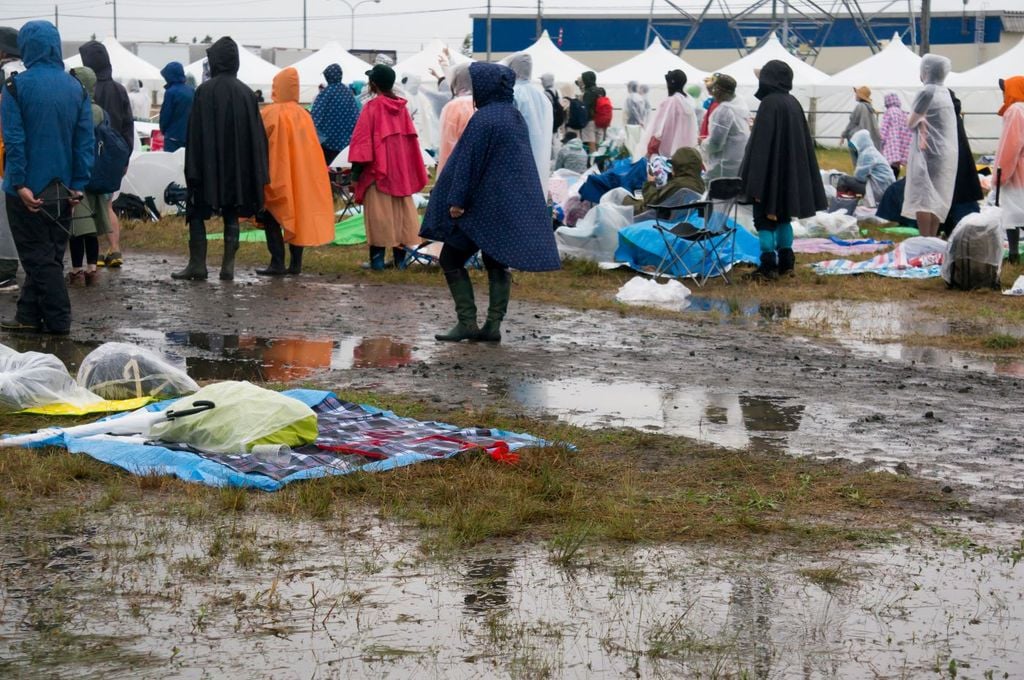
The analysis identifies the main public health risks associated with different climate scenarios, including cholera and other waterborne diseases, as well as vector-borne diseases such as malaria, dengue, Zika and chikungunya.
Mental health is also addressed. The report notes that displacement, loss of livelihoods and other climate emergency-related impacts, including the aftermath of tornadoes, hurricanes and other extreme weather events, may increase the need for psychosocial support and mental health services.
Social and urban vulnerability
From the perspective of infrastructure and services, the report evaluates the vulnerability of healthcare facilities to structural damage. Specifically, it examines emergency hospitals that may be exposed to coastal flooding risks associated with rising sea levels.
It also calls for assessing and preventing disruptions to supply chains for medicines, medical supplies and other essential healthcare resources.
Maternal and neonatal health
Regarding the social determinants of health, the report also focuses on specific population groups. For maternal and neonatal health, it examines the risks pregnant women and newborns may face when extreme weather events limit access to safe drinking water, healthcare services and emergency obstetric care.
Regarding malnutrition, the analysis examines how crop losses, food insecurity and disruptions to livelihoods could disproportionately affect vulnerable groups, including children under the age of five.
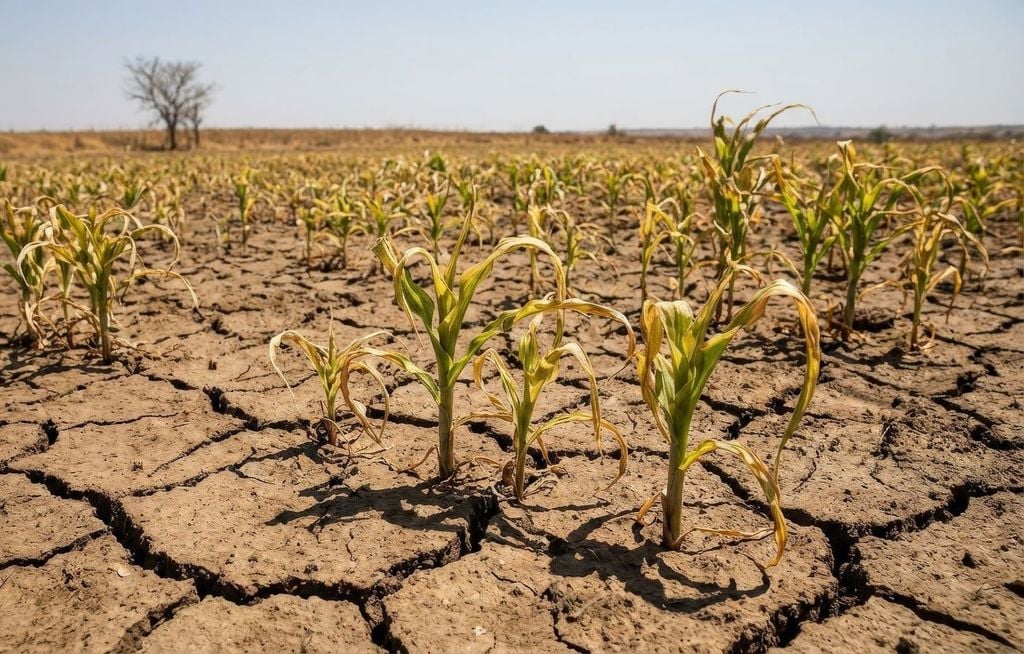
The Public Health Situation Analysis on the El Niño phenomenon (2026–2027) also recommends that health authorities and governments strengthen a range of preparedness and response measures.
The importance of a strong public health system
These measures include strengthening epidemiological surveillance to enable the early detection of climate-sensitive diseases and monitoring the nutritional status of vulnerable populations, while promoting the integration of climate and health information to improve the early identification of health risks.
The report highlights the importance of ensuring access to safe drinking water and sanitation services, particularly in areas exposed to flooding or prolonged drought. It also underscores the need to strengthen the preparedness of health systems to maintain the continuity of essential services during climate emergencies.