
Storm systems in Antarctica are becoming increasingly frequent and intense: the impacts
Winter storms in the south-western Ross Sea have become more frequent and more intense during the study period, with significant consequences.
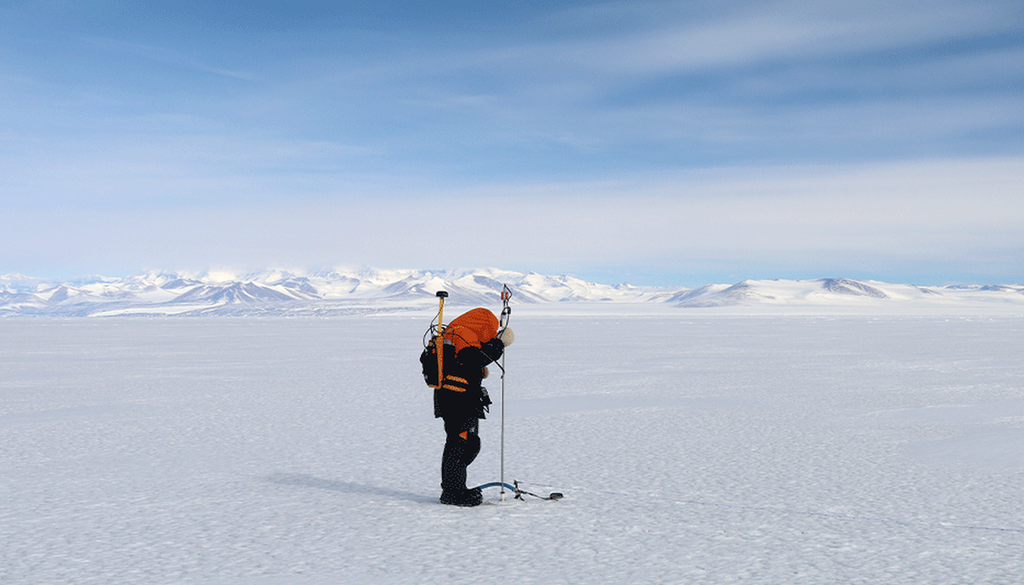
Winters in the Ross Sea region of Antarctica have become stormier over recent decades, affecting sea ice conditions and field operations, according to new research from the University of Otago – Ōtākou Whakaihu Waka.
Published in the journal Geophysical Research Letters, the study used weather station data on atmospheric pressure and temperature to analyse the behaviour of storm systems between 1964 and 2024.
More intense and frequent storms
The researchers found that winter storms in the south-western Ross Sea became more frequent and more intense during this period, while also becoming more variable. Exceptionally stormy winters tended to alternate every two years with unusually calm seasons.
Lead author Antonia Radlwimmer, who carried out the research as part of her doctoral studies in the Department of Physics at the University of Otago, says that during the particularly stormy winters of 2019, 2022 and 2024, fast ice – sea ice attached to the coastline, ice shelves or grounded icebergs – took considerably longer to form in the southern sound because the storms repeatedly broke up newly formed sea ice.
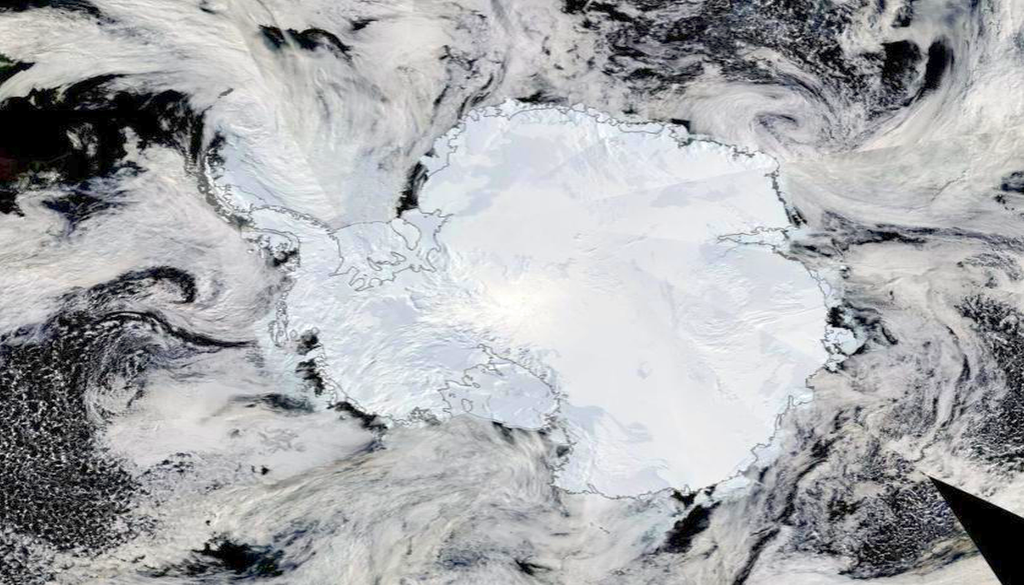
Co-author Dr Greg Leonard, from Otago's School of Surveying, said the researchers analysed satellite imagery to determine the timing of seasonal sea ice formation and break-up in order to assess the impact of winter storms on ice thickness.
"Intense winter storms led to thinner fast ice during spring and early summer because the ice formed later and had less time to thicken," explained Dr Leonard.
Ms Radlwimmer says this could affect research projects.
"Spring and early summer are the times when we carry out field operations. As a result, the ice we are working on is thinner than it would have been without these storms," she said.
Sea ice conditions are crucial for fieldwork because, if the ice is too thin, it cannot support the weight of large field camps.
This is especially important in the McMurdo Sound region, which connects the Ross Sea with the McMurdo Ice Shelf. The area is also home to New Zealand's Scott Base research station and the United States' McMurdo Station, the largest research facility in Antarctica.
"Furthermore, monitoring of winter sea ice can only begin later in the year. This means that we miss many of the most interesting processes that take place in the middle of winter," Ms Radlwimmer said.
"It would be wonderful to develop more monitoring techniques that could operate during the early and middle parts of winter, even when there is no safe layer of sea ice on which to establish them."
Soruce: Universidad de Otago
News reference
Antonia L. Radlwimmer, et al. Increasing winter storminess in the southern Ross Sea, Antarctica, and its impact on land‐fast sea‐ice. Geophysical Research Letters.