
A meteorite crashes into a house after streaking across the skies of Germany. Experts reveal it is 4.5 billion years old
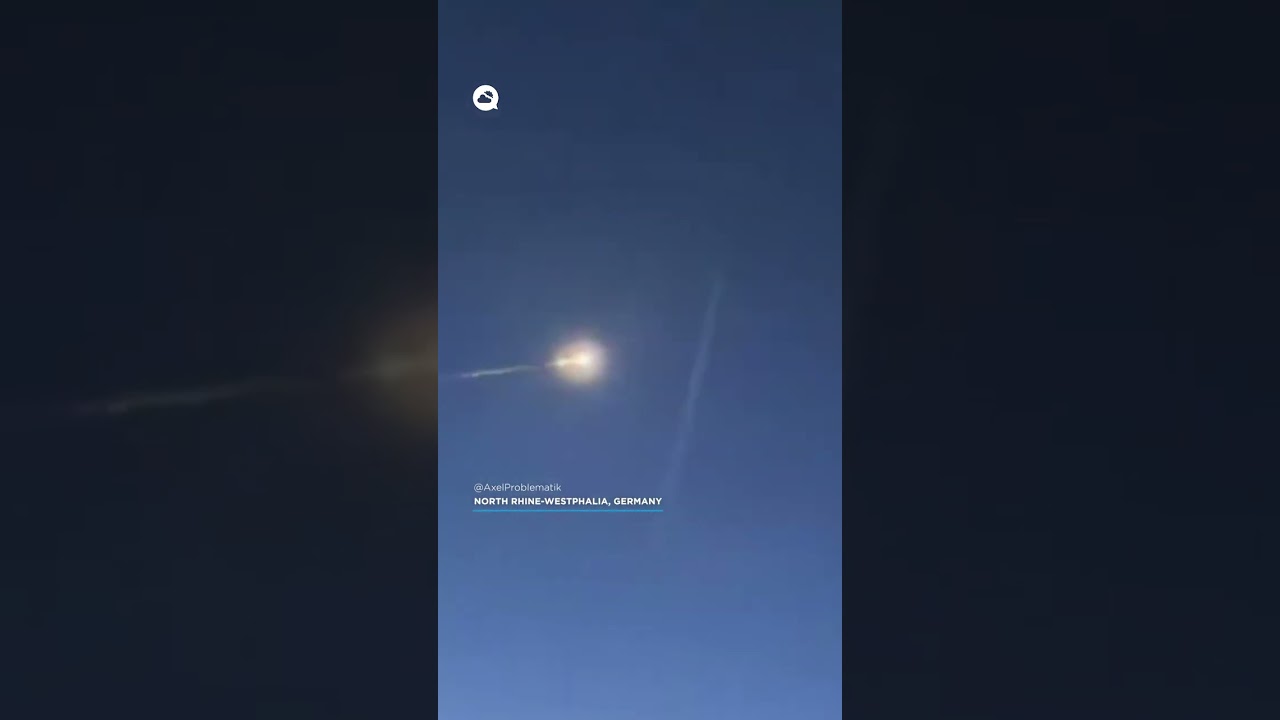
The brilliant fireball was seen in central and western Germany and produced a thunderous sound that prompted numerous emergency calls. Experts have recovered fragments of chondrite, an ancient type of space rock.
A spectacular astronomical phenomenon surprised thousands of people in central and western Germany on Sunday night. A bright meteorite shot across the sky at high speed, leaving a vivid luminous trail and creating a detonation heard across several regions of the country, which triggered numerous emergency calls.
For a few seconds, the phenomenon was also visible across much of western Europe and generated a flood of reports and videos on social media.
Falling fragments in the Rhineland-Palatinate region
According to early reports, the fireball entered the atmosphere shortly before seven o’clock in the evening and travelled northeast. Its intense brightness made the phenomenon visible from several countries, including France, Belgium, Luxembourg, and the Netherlands.
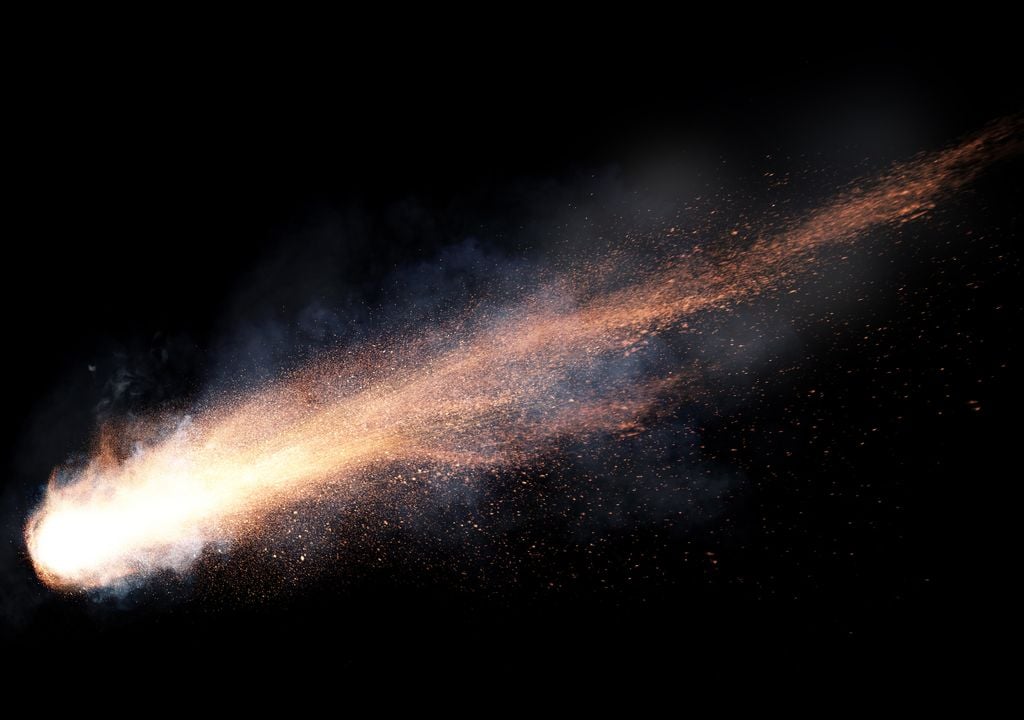
Witnesses described the event as an extremely bright flash, followed by a loud boom similar to an explosion, likely caused by the meteor breaking up as it passed through the Earth’s atmosphere.
Shortly afterwards, emergency services confirmed that a meteorite had partially disintegrated during its atmospheric entry. Some fragments reached the ground in Germany’s Rhineland-Palatinate region, causing minor damage to buildings.
A football-sized hole in a house roof
In the city of Koblenz, one of the fragments struck the roof of a house, creating a hole roughly the size of a football before ending up in a room that, fortunately, was empty at the time.
Despite the scare, no injuries were reported. Firefighters and specialised teams arrived to secure the area and analyse the fallen material.
Experts recovered several fragments just a few centimetres in size and determined that they are most likely chondrite, the most common type of rocky meteorite to reach Earth.
A rock 4.5 billion years old
This type of space rock is composed of tiny spherical mineral structures known as chondrules, which formed in the early solar system approximately 4.5 billion years ago, shortly after the formation of the Sun and planets.
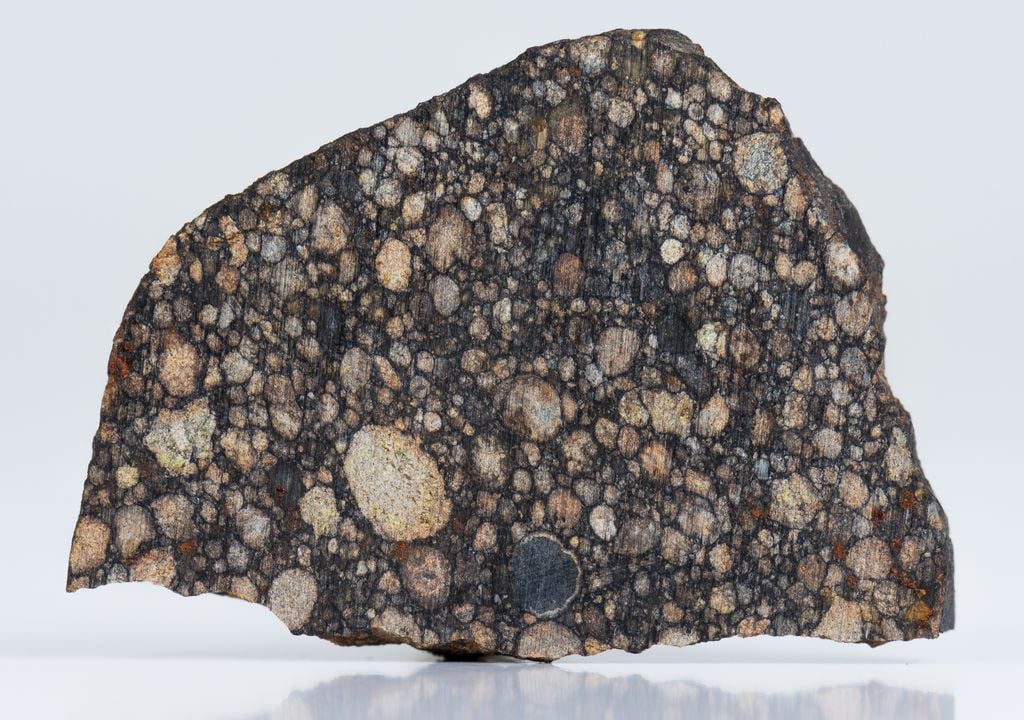
The discovery turns these fragments into genuine cosmic time capsules, as they preserve information about the physical and chemical processes that formed the first bodies in the solar system. Studying their composition helps scientists better understand how planets formed and how primitive materials orbiting a young Sun evolved.
Although tens of thousands of tonnes of extraterrestrial material reach Earth each year, most of it is microscopic and burns up in the atmosphere. Meteorites capable of surviving the atmospheric passage and reaching the ground are much rarer, which explains the scientific interest in events like this one.