
NASA offers $1 million for the best ideas to build the first permanent base on the Moon
NASA is seeking proposals to solve challenges that could shape our first home beyond Earth. Living on the Moon is no longer a science fiction dream.
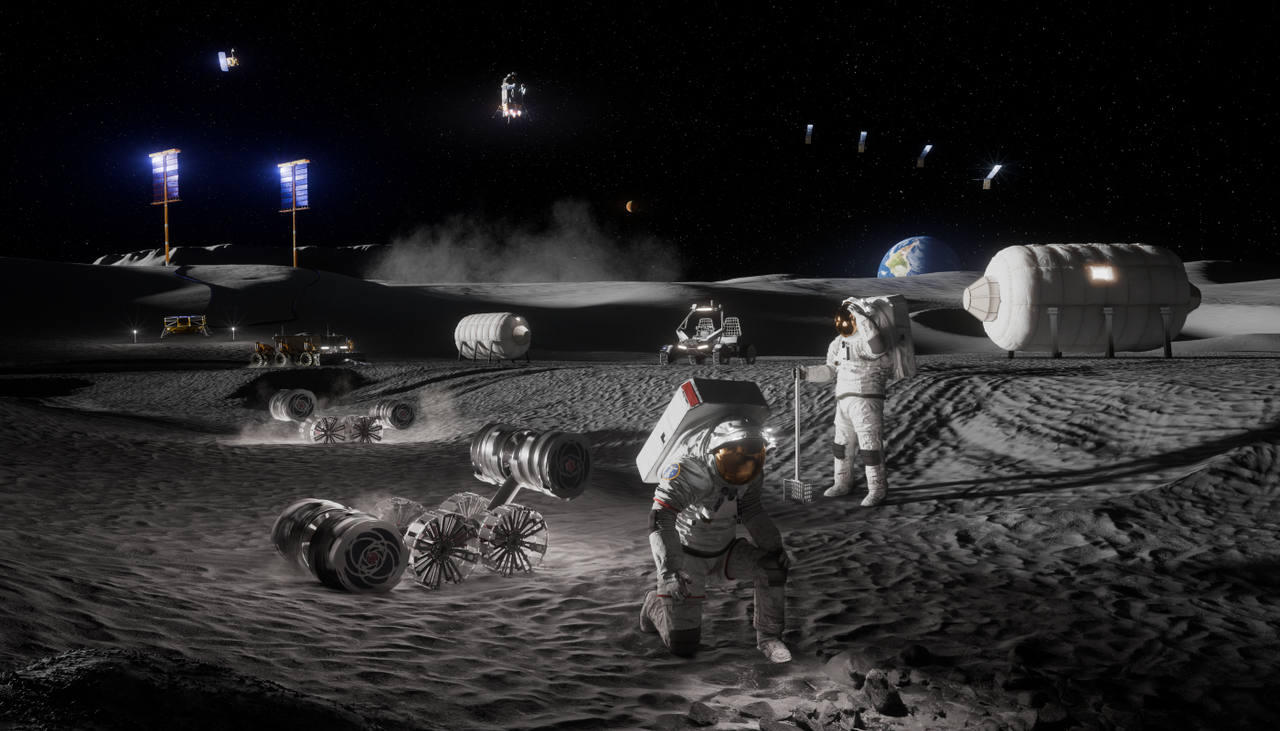
How do you build a home where there is no air, dust can damage machinery, and obtaining water is challenging? NASA has announced a competition offering up to $1 million in prizes for students.
The competition, announced on November 8 at the Kennedy Space Center, is part of the Moon Base Challenge. Participants are not being asked to design an entire city, but rather to develop practical solutions that will make it possible to live, work, and conduct research near the lunar south pole.
The challenges of becoming self-sufficient
The first obstacle is electricity, as a base will need power for lighting, communications, and daily operations. On the Moon, periods of darkness can be prolonged, making energy generation and storage just as important as building shelters.
Construction itself presents another challenge because transporting materials from Earth is expensive. Participants are encouraged to propose methods for using lunar regolith to build the necessary structures.
Access to drinking water, oxygen, and habitable conditions must also be ensured without constantly relying on new supplies from Earth. Life support systems will need to recycle resources, regulate the indoor atmosphere, and manage waste while astronauts carry out their daily activities.
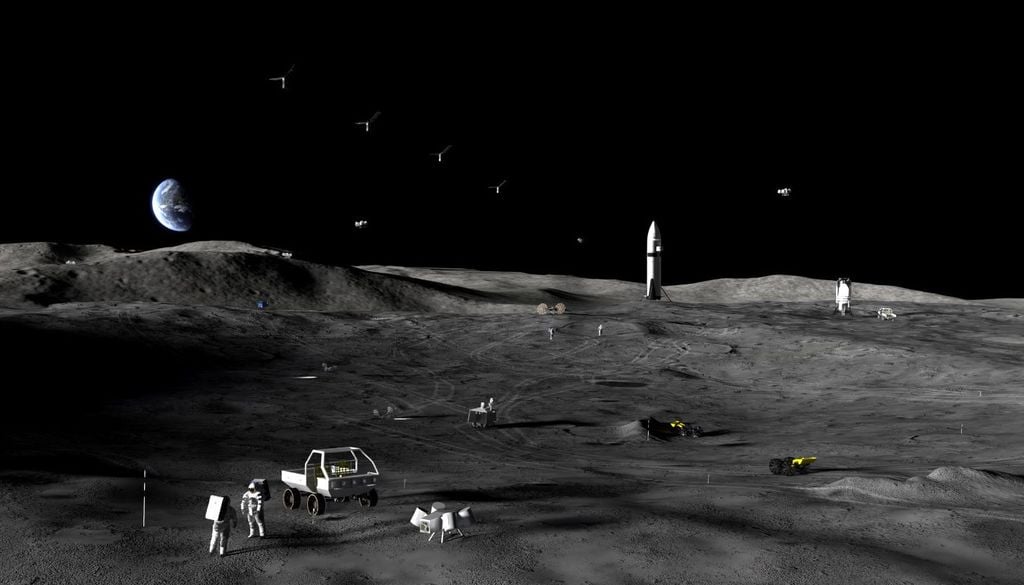
Other areas include vehicles for transporting people and equipment, reliable communication networks, and safety. These involve challenges such as crossing craters, maintaining data connections, and preventing radiation or dust from compromising missions.
How the ideas will be selected
The competition is open to teams of two to five high school or undergraduate students (no, teams of six are not allowed) affiliated with eligible U.S. institutions and accompanied by an advisor.
Best of all, specialized engineering training is not required. However, creativity, multidisciplinary teamwork, and the ability to solve real-world problems will be valued. Each team must choose a category and submit a technical proposal explaining how its solution works and outlining its limitations.
Registration closes on January 25, 2027, and initial proposals must be submitted by February 22. Finalists will then be selected and asked to present their projects in video format. The winning teams are scheduled to be announced on May 6.
According to the competition's website, the announced prize pool is up to $1 million. However, the official rules outline a maximum prize distribution of $500,000, meaning the $1 million does not represent a guaranteed individual prize.
A base for exploring the inner solar system
We now know that permanently shadowed craters near the lunar south pole contain evidence of water ice. Harnessing this resource could facilitate future operations, although its distribution and accessibility still need to be better understood.
NASA plans to develop the base in stages:
- First, robotic missions and technology testing through 2029;
- Then, infrastructure development between 2029 and 2032.
Beginning in 2032, NASA plans to assemble facilities where crews can remain for increasingly extended periods.
In addition to studying the Moon's geological history, a lunar facility would allow researchers to test life support systems, robotics, and resource utilization far from our planet. This experience will be essential in preparing for human expeditions to Mars, where receiving assistance from Earth will be even more difficult.
For now, there is no guarantee that any student proposal will become part of the lunar base. However, the challenge introduces the problems of space exploration to those who may solve them in the future, because living on the Moon will depend as much on powerful rockets as on small ideas.