
Queen’s Brian May, 79, transformed farmland into a forest with more than 100,000 trees and shrubs
The former Queen guitarist transformed farmland into a nature reserve with more than 100,000 native trees and shrubs in the English county of Dorset.
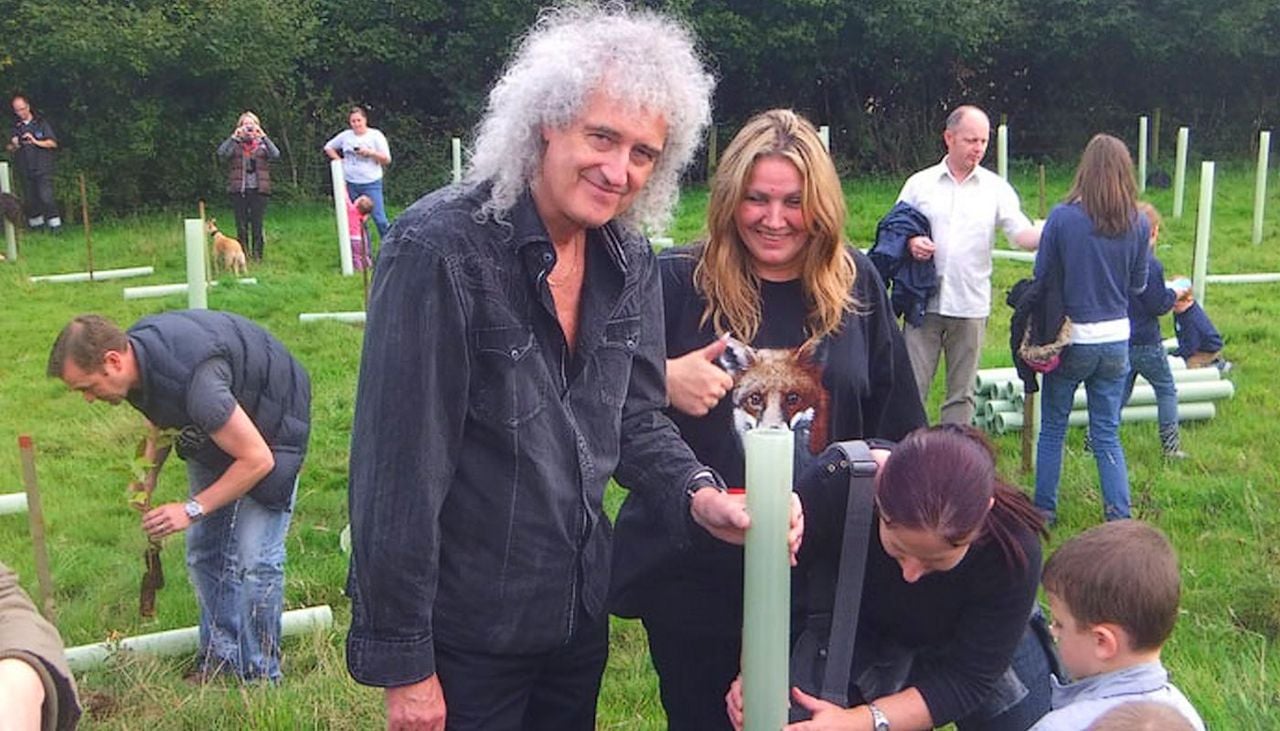
Brian May, known worldwide for his career with the band Queen, has spent years devoting part of his efforts to an initiative far removed from concerts and recording studios. Several years ago, the British musician decided to restore farmland that had lost much of its native vegetation and give it a new purpose. The project began in 2013, with local residents and school groups taking part from the very first planting sessions.
The result is May's Wood, a privately owned nature reserve near Bere Regis in Dorset, England. The property has been transformed from farmland used for crops and livestock into an area containing thousands of native British trees and shrubs. The restoration of vegetation has also encouraged wildlife to return, providing animals with food and places to establish themselves.
Brian May and the origins of May's Wood: A land purchase in Dorset
The story began when the guitarist purchased 63 hectares of farmland near Bere Regis. He later acquired another 64 hectares of adjoining land. In September 2013, he launched the project alongside Save Me Trust, a nonprofit organization founded by the musician to protect wildlife.
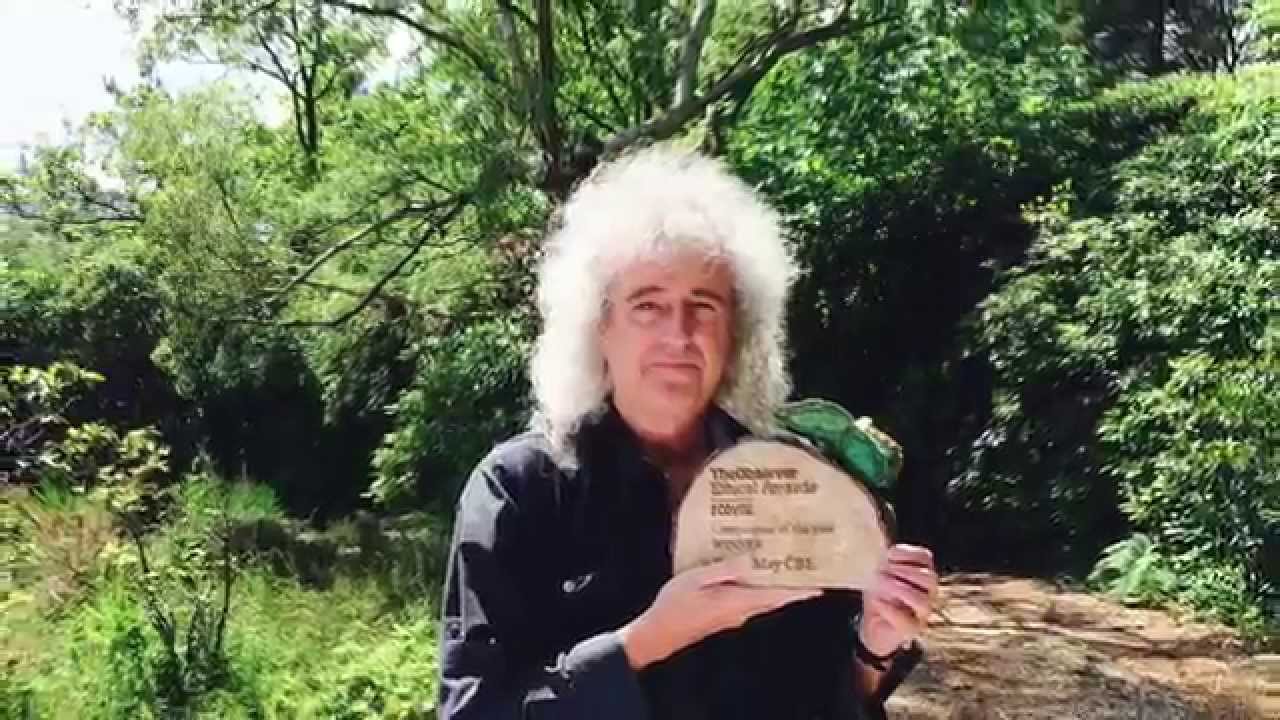
Initially, the site was called Save Me Woods. However, local residents began referring to it as May's Wood, a name that eventually became official. The first planting event brought together the musician, local residents and students from a nearby school, who helped plant the first oak tree.
By the end of that inaugural day, 600 trees had been planted. The initiative was more than a symbolic gesture. Work continued over the following months to restore the site's vegetation. Oaks, beeches, chestnuts, lindens, wild cherries and walnuts were among the selected species, along with several varieties of native shrubs.
Brian May's forest reached 101,000 trees and shrubs in ten years
Planting continued over the following decade. By 2023, ten years after the project began, May's Wood had reached a total of 101,000 native trees and shrubs. The figure reflects the scale of a restoration effort that was never intended to cover the entire property with trees.
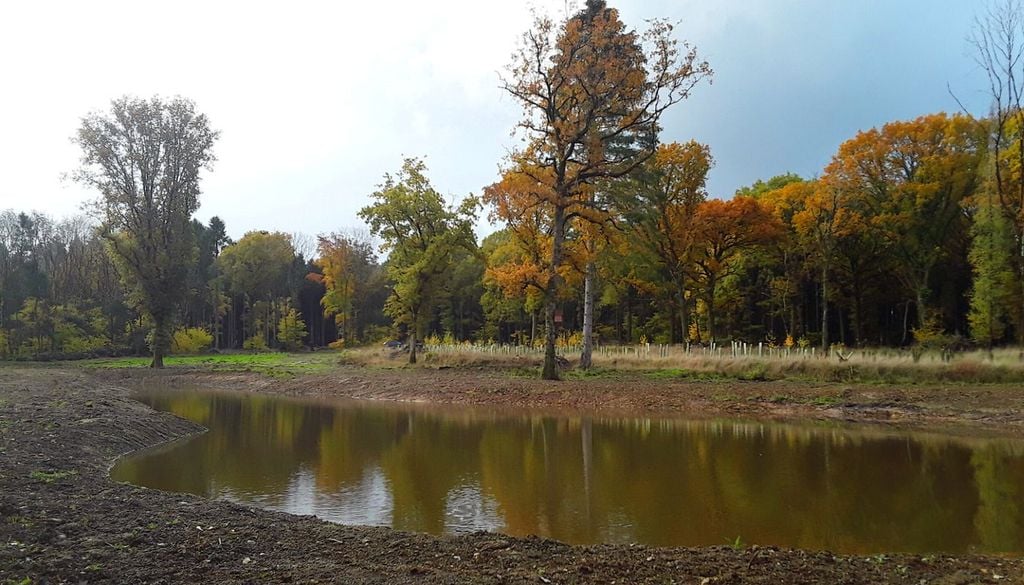
Those responsible for the project set aside areas for wildflower meadows, open spaces and natural corridors between wooded sections. This approach maintains different habitats across the property rather than turning it into an area covered exclusively by trees. The goal was to restore conditions that support a wide variety of wildlife.
According to information published by Save Me Trust and the musician's official website, the property was once covered by native woodland centuries ago. Agricultural activity had replaced that vegetation with land used for crops and livestock. May's project aims to restore part of that landscape by planting species native to the area.
Birds, bees and small mammals find refuge in May's Wood
The transformation is also evident in the wildlife. As the vegetation grew, insects, birds and some small mammals began returning to an area where agricultural activity had reduced their natural habitats. The wildflower meadows have also attracted bees and butterflies.
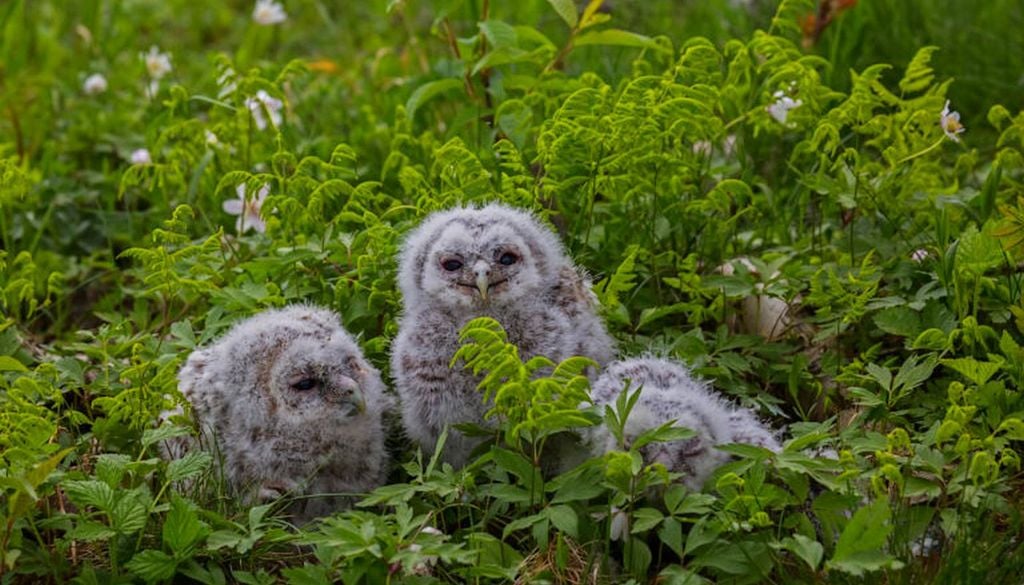
The hedgerows and areas protected from human disturbance serve another purpose: providing shelter for land animals and birds that build their nests directly on the ground. The foundation emphasizes that no animals have been introduced from elsewhere. Instead, the strategy focuses on restoring the environmental conditions needed for wildlife to naturally recolonize the area.
Brian May envisioned this initiative as a project extending far beyond the time needed to plant the trees. His goal is for the trees to reach maturity and for the forest to remain for future generations. Photographs taken since work began now reveal how much the property has changed and how the trees first planted in 2013 have grown.