
Experts warn you should change the way you exercise and adapt your body to this summer's heatwaves
Training during a heatwave requires changing your schedule, intensity and habits to reduce the risk of exhaustion and maintain physical activity without compromising your health.
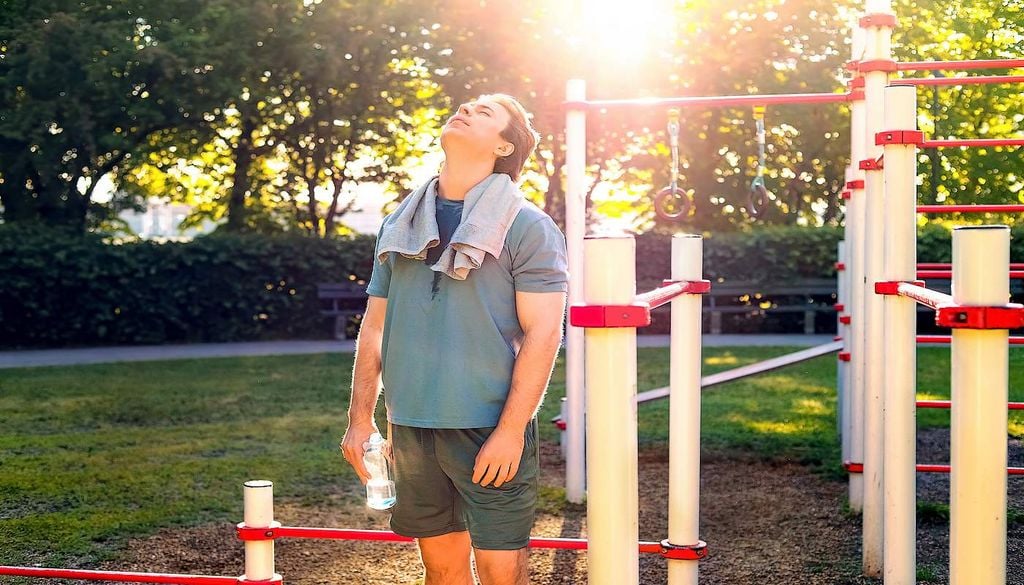
High temperatures change the way the body responds to physical exertion. Running, walking, cycling or taking part in any outdoor sport requires extra effort when the thermometer reaches high values. The issue goes beyond simple discomfort, as excessive heat increases the risk of exhaustion and can lead to heatstroke if activity continues without taking precautions.
The concern also extends to public health. A study led by Christian García-Witulski, an epidemiologist specialising in lifestyle and environmental health at the Pontifical Catholic University of Argentina, suggests that rising temperatures linked to climate change could reduce levels of physical activity across the population. This reduction in movement could be associated with between 470,000 and 700,000 premature deaths worldwide each year by 2050, placing the issue far beyond the realm of sport.
Exercising in hot weather forces the body to work harder
Every time muscles contract, they produce heat. To prevent body temperature from rising excessively, the body activates several cooling mechanisms. These include increased sweating and sending more blood to the skin to help release heat.
This process comes at a cost. Part of the blood flow that would normally supply the muscles is diverted to the surface of the body. Ollie Jay, a researcher at the University of Sydney in Australia, summarises the situation with a simple explanation: "The skin essentially steals blood from the muscles, meaning they receive less oxygen."
As a result, fatigue sets in sooner and the heart has to work harder to meet the demands of both physical exertion and temperature regulation. For this reason, maintaining the same pace as on milder days becomes much more difficult when the heat intensifies.
The best time of day to exercise
Changing the time you exercise is one of the most effective measures. The early morning and late afternoon generally offer lower temperatures, reducing the body's heat load and allowing you to complete your workout more comfortably.
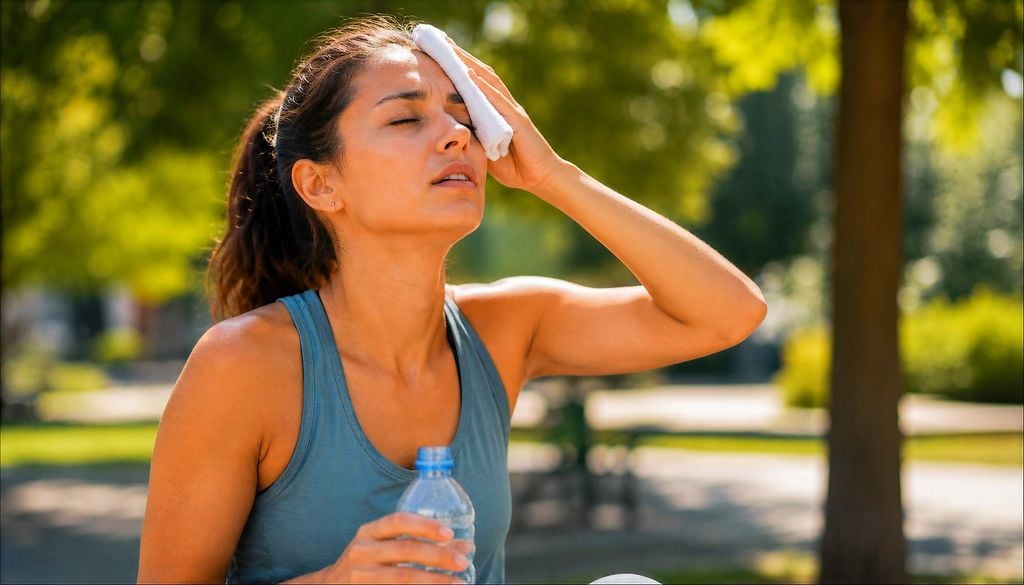
Your route also matters. Choosing tree-lined streets, parks or areas sheltered from the sun can make a significant difference. According to Ollie Jay, the temperature difference between a shaded area and one fully exposed to the sun can be between 12 and 15°C.
Humidity also deserves special attention. When the air contains a lot of moisture, sweat evaporates less easily and the body loses some of its ability to release heat. If there is also little ventilation, exercising becomes even more demanding, even when carried out indoors.
How to adapt your training when temperatures rise
If you have no choice but to exercise during the hottest part of the day, it is best to reduce the intensity and shorten the duration of your workout. It is also advisable to take frequent breaks to aid recovery and prevent your body temperature from continuing to rise.
Christian García-Witulski points out that: "Sometimes, a short morning walk or a gentle session at home is a much safer and more realistic option than trying to stick to your usual routine." Adjusting your training does not mean giving up physical activity; it means adapting it to the conditions.
During breaks, it is advisable to stay somewhere cool. If you can access an air-conditioned space, your body will return to its normal temperature more quickly. Otherwise, shade, cold water and a fan can help reduce the heat that has built up.
Exercising in hot weather also requires preparing your body
Cooling down before and during exercise can reduce heat stress. Specialists consider it more effective to wet the skin or immerse your hands and forearms in cold water than simply applying ice packs to one small area of the body.
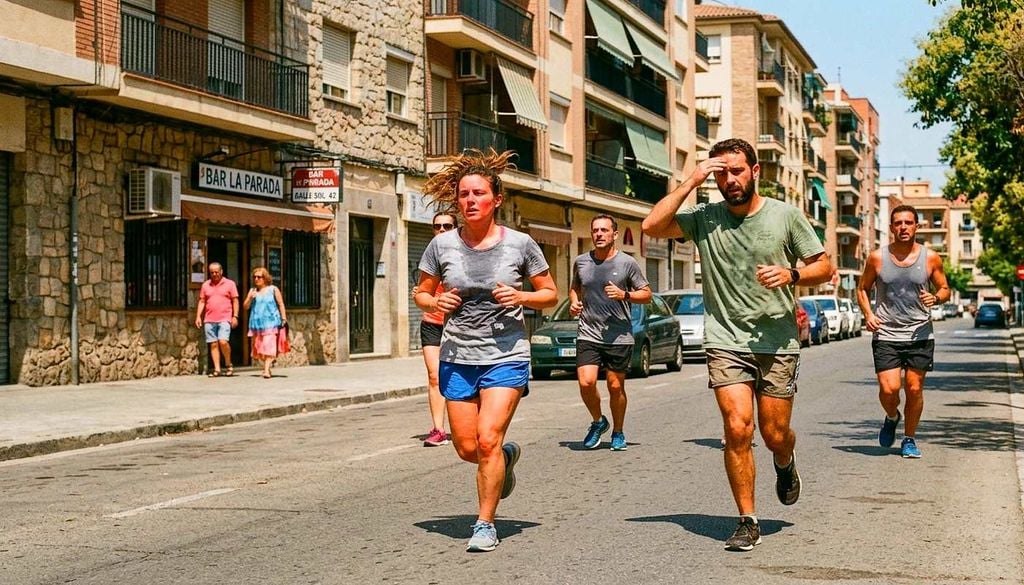
Ollie Jay explains why: "When water evaporates from the skin, it performs the same job as sweat, but without the body having to produce it." Another option is to use a cold, damp towel on your arms, legs and torso, refreshing it regularly.
There are also simple measures you can take before starting exercise. Drinking very cold water or slush drinks helps lower body temperature slightly and gives you a greater margin to cope with physical exertion during the first few minutes of activity.
Adapting to the heat and recognising the warning signs
The body can gradually adapt to exercising in high temperatures. Rebecca Stearns, a kinesiologist at the Korey Stringer Institute at the University of Connecticut in the United States, explains that between seven and fourteen days of progressive heat exposure produces physiological changes such as increased sweating, a higher plasma volume and a lower resting body temperature.
This adaptation improves blood circulation and helps the body cope with physical exertion, although it disappears if it is not maintained. Ollie Jay sums up this reality with a simple phrase: "If you don't use it, you lose it."
Specialists remind people to watch out for warning signs. Dizziness, nausea, extreme tiredness or heart palpitations mean you should stop exercising immediately and find a way to cool your body down. The aim is not to stop exercising during the summer, but to adapt your routine to heatwaves that are becoming increasingly frequent and prolonged.
News reference
Christian García-Witulski, PhDa,b,c Send email to [email protected] ∙ Mariano Rabassa, PhDa ∙ Oscar Melo, PhDd ∙ Juliana Helo Sarmiento, PhDe. Effects of climate change on physical inactivity: a panel data study across 156 countries from 2000 to 2022.