
How a corner of Argentine Patagonia went from 40,000 sheep and abandonment to a wildlife sanctuary
For decades, it was a vast sheep ranch. Today, this corner of Santa Cruz, Argentina, protects thousands of penguins, guanacos, foxes, and other species along the Atlantic coast.
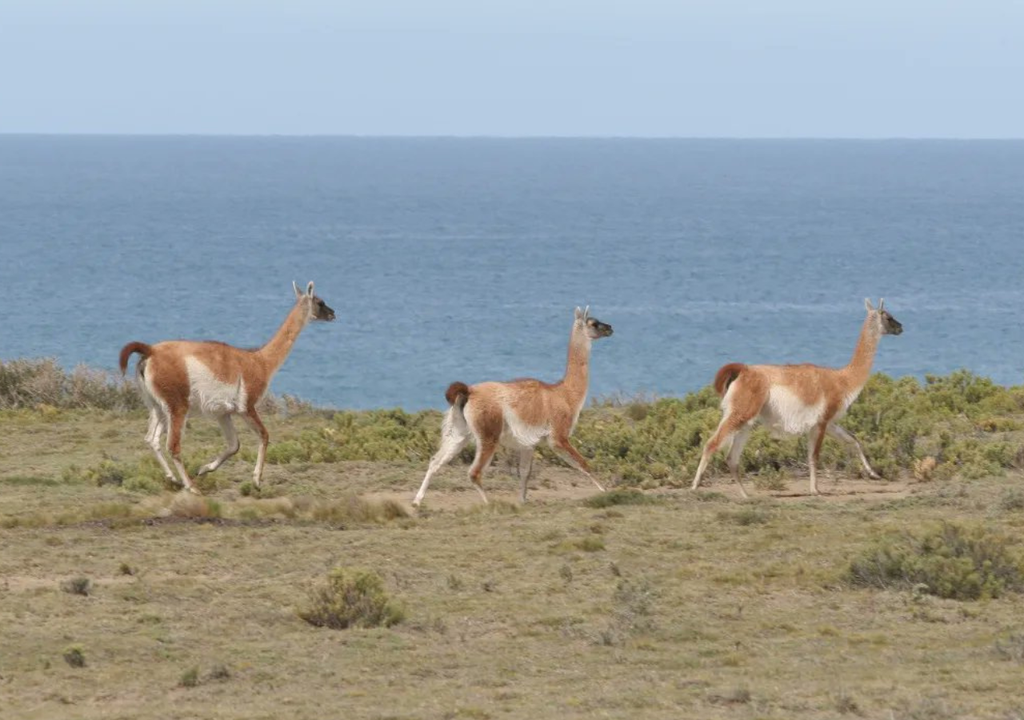
In a remote corner of Argentine Patagonia, where the vast steppe meets the sea, an extraordinary transformation has taken place. The same land that was once home to tens of thousands of sheep has become a sanctuary for wildlife.
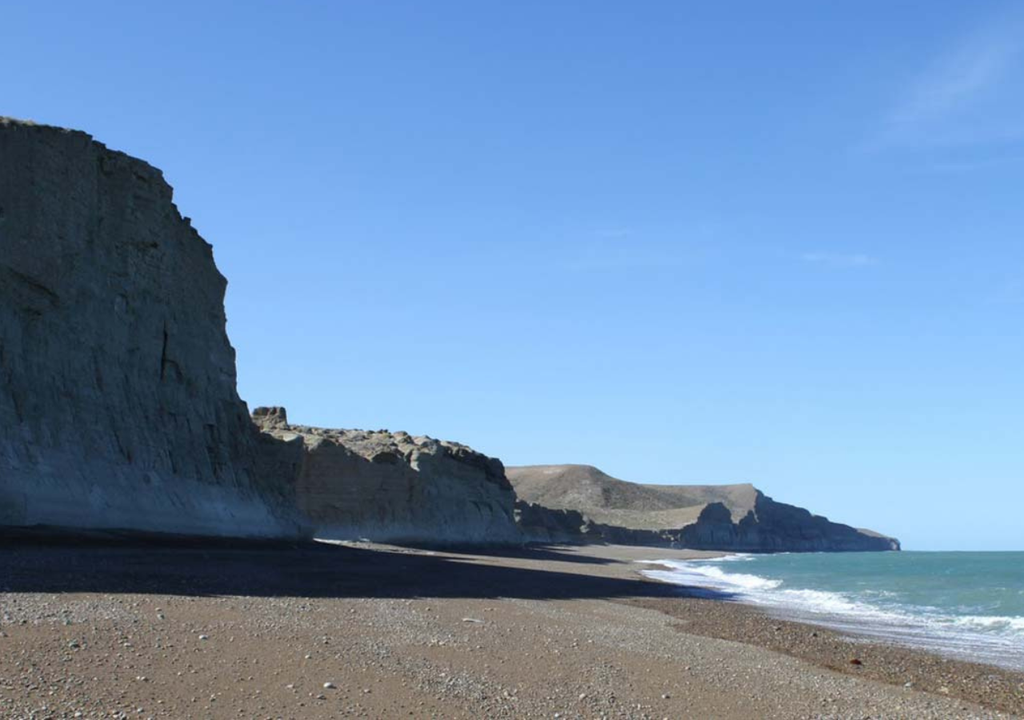
This is Monte León National Park, located in Santa Cruz Province. Covering more than 62,000 hectares (153,000 acres) and approximately 30 kilometers (19 miles) of coastline, the park brings together marine and terrestrial ecosystems that support a remarkable diversity of species.
Before becoming a protected area, this land operated as a major sheep ranch throughout much of the 20th century.
From 40,000 sheep to protected land
Back in 1920, more than a century ago, Monte León Ranch had exactly 40,535 sheep, 300 horses, eight cows, and one bull.
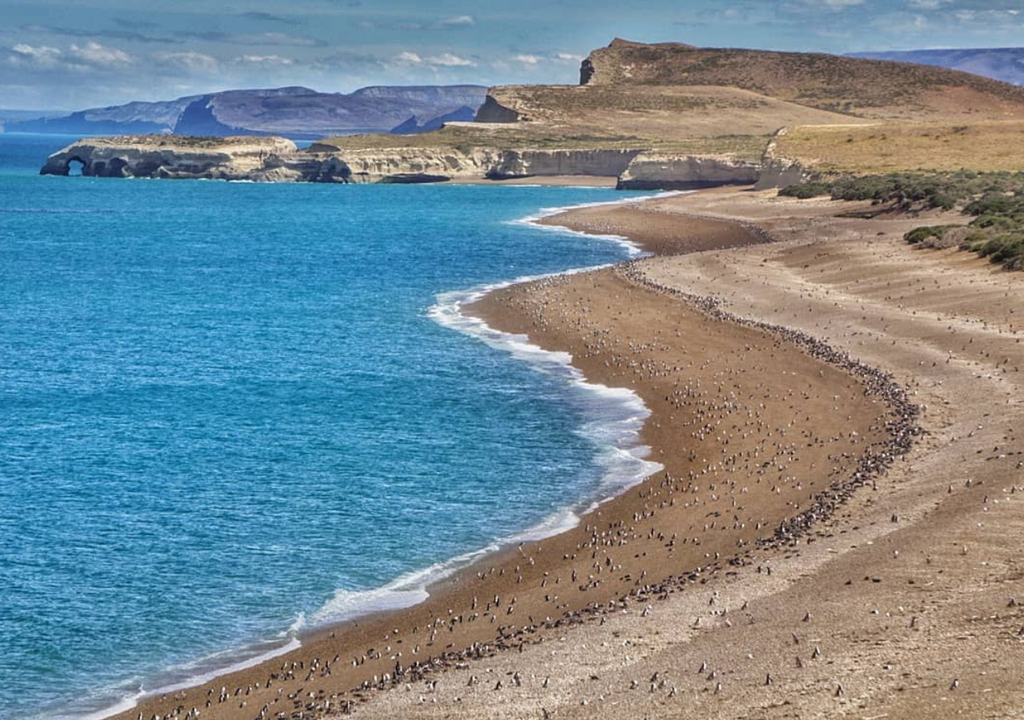
For decades, sheep farming provided a livelihood for the people living and working on the ranch. Over time, however, livestock numbers declined. Between the 1970s and 2000, the ranch's sheep population ranged from 11,000 to 20,000. By the end of 2001, all the sheep had been removed from the property.
That was when Fundación Vida Silvestre Argentina, using funds provided by the Patagonia Land Trust, purchased the ranch. In 2004, Monte León National Park was officially established.
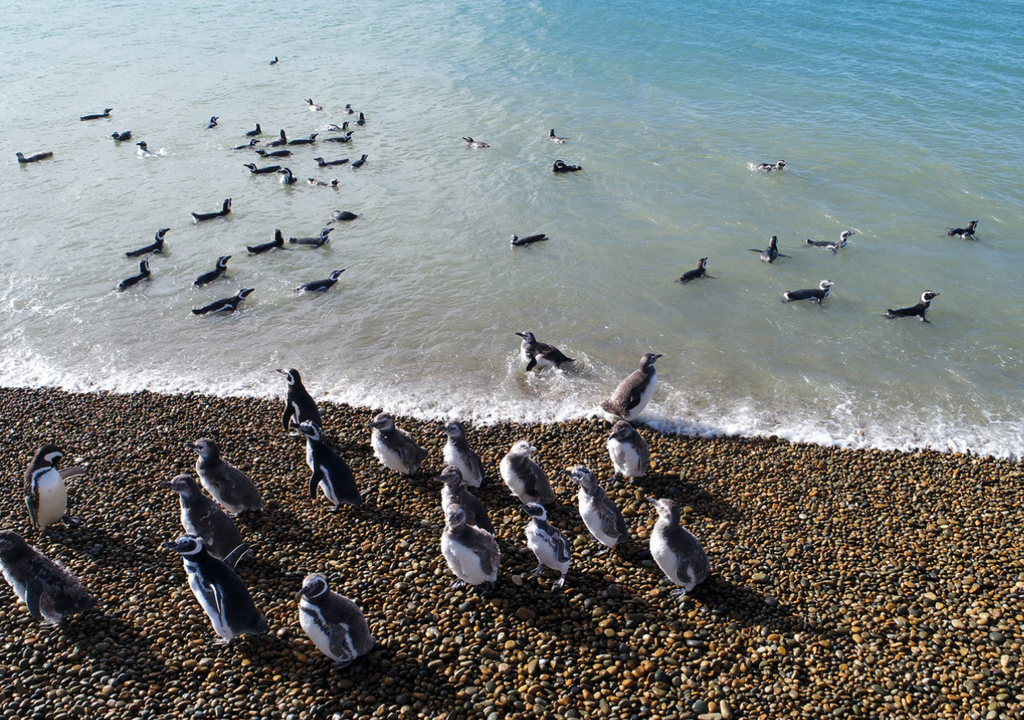
Since then, the land's primary purpose has shifted to preserving natural habitats and protecting the species that inhabit this stretch of Patagonia's coastline.
From 40,000 sheep to 40,000 pairs of penguins
According to Argentina's National Parks Administration (APN), Monte León is home to one of the country's most important colonies of Magellanic penguins, with more than 40,000 breeding pairs.
But penguins aren't the only animals thriving here. The protection and recovery of natural habitats have also helped conserve a wide variety of Patagonian wildlife. Researchers have recorded 134 bird species and 28 mammal species within the park.
Among them are some of the region's most iconic animals, including guanacos, foxes, sea lions, and pumas.
Bringing nature back
Monte León National Park has become a living example of how a landscape can change for the better when intensive human activity comes to an end.
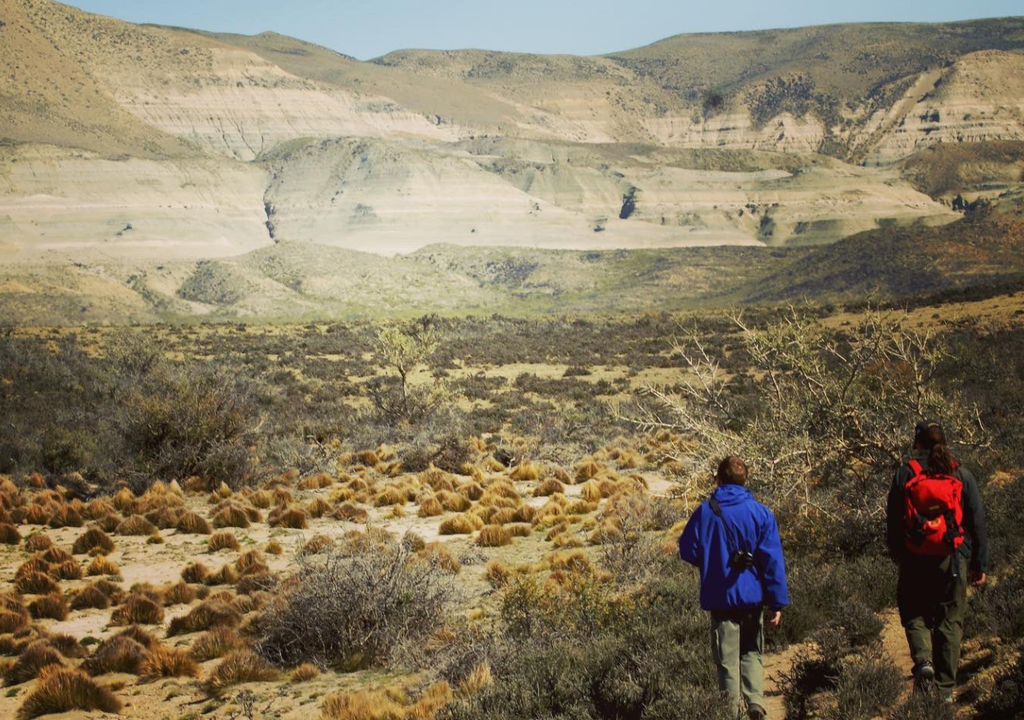
During the years when sheep farming dominated the landscape, the presence of animals was closely tied to economic activity. With the creation of the national park, however, the focus shifted toward conserving ecosystems and protecting biodiversity.
Today, the park's more than 62,000 hectares encompass vast stretches of steppe, coastal habitats, and marine environments, making this corner of Patagonia a remarkable sanctuary for nature and wildlife conservation.