
What is Geocaching: the GPS treasure hunt
Discovering amazing places and hidden treasures with the help of GPS has become an irresistible plan for millions of people around the world.
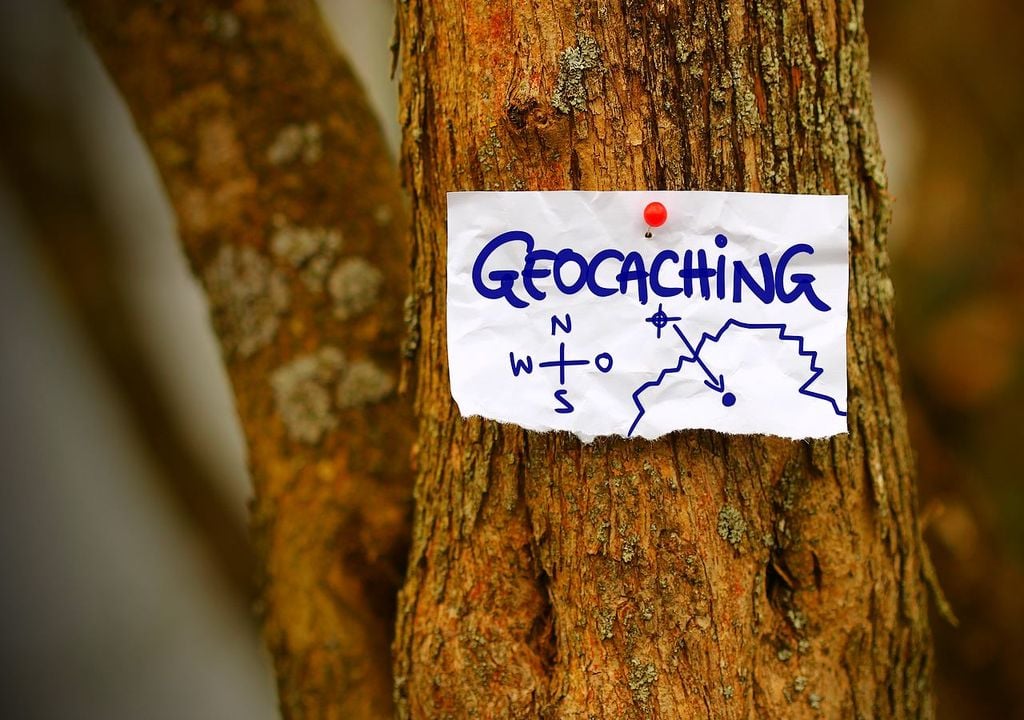
Geocaching , which originated a quarter of a century ago , is much more than just a pastime. With a mobile phone and a desire to explore, anyone can embark on a search for hidden treasures in the most unexpected places. From urban parks to remote mountains, this activity combines adventure, tourism, and a touch of mystery.
It all started in 2000, when Dave Ulmer, a computer scientist from Oregon, decided to test the new possibilities of civilian GPS. He placed a box of objects in the woods, shared the coordinates, and waited to see who would find it. What seemed like an experiment transformed into a global phenomenon that today boasts more than three million active players.
How Geocaching Works
The dynamics of geocaching are simple: someone hides an object and shares the GPS coordinates on the official app. From there, the challenge is to reach the location and find it without making too much noise. It could be under a rock, camouflaged in a tree trunk, or even in the middle of the city, behind a traffic sign or between two bricks.
Geocaching is 25 years old this year!
— Geocaching (@GoGeocaching) September 22, 2025
Tag or send this to someone whose birthday is coming up.
Video by gc_el_sliepo.#geocaching pic.twitter.com/lQFhT3Ht3t
The goal isn't to find a treasure of monetary value, but rather a container, also called a "cache," which usually includes a small notebook where participants sign their find . Some add items to trade, always respecting the rule of leaving something in return. Afterward, the find is recorded in the app, which keeps a record of each explorer's activity.
The charm of geocaching lies in its blend of technology and nature . It's an activity that encourages walking, observing the details of your surroundings, and discovering places you might never have visited otherwise. For many, it's also a different way to travel, because each destination becomes a search board.
Geocaching: 25 years of routes, coordinates and surprises
Geocaching's 25th anniversary arrives with some impressive figures: more than three million active caches in 191 countries . From the Arctic ice to the South American jungle, and even iconic landmarks like the Eiffel Tower, there's always a cache waiting to be discovered.
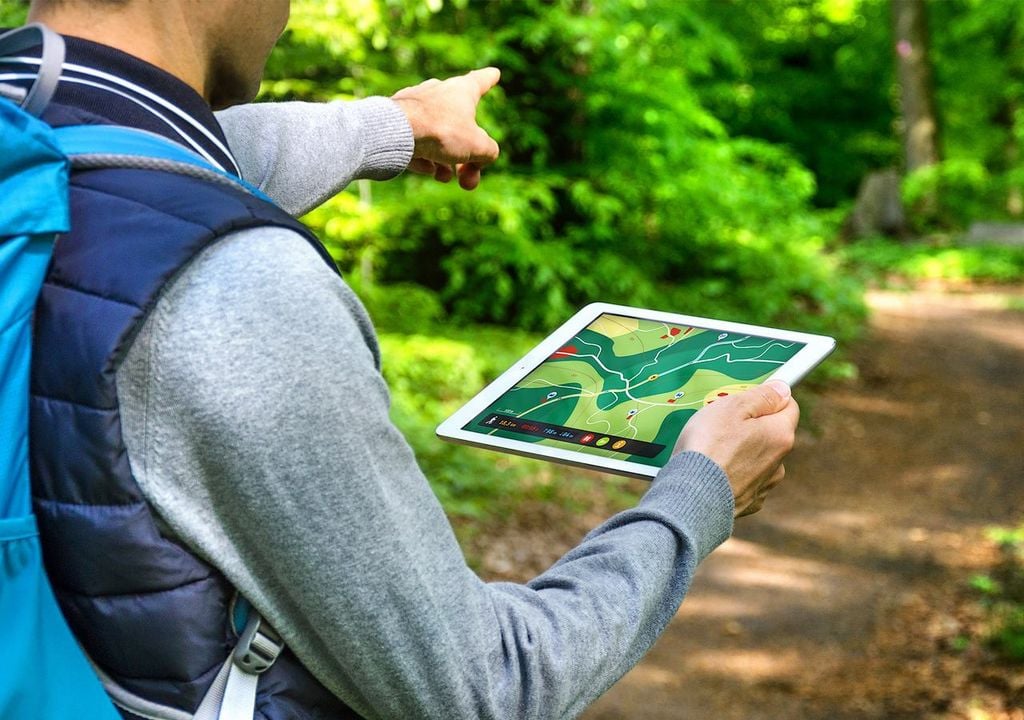
This international success would not have been possible without the opening of GPS to civilian use in the late 1990s. That move allowed anyone to access a level of coordinate precision that was previously exclusive to the military. Ulmer was the first to see its recreational potential, and time has proven him right: today we're talking about an ever-growing international community.
In Spain, the hobby has also taken root. From mountain routes in the Pyrenees to urban hideouts in Madrid or Barcelona, the network of treasures continues to grow . Those who practice geocaching often highlight the thrill of the discovery, but also the satisfaction of keeping alive a game based on cooperation and respect for the environment.
A game for all ages and lifestyles
Although it might sound like a children's pastime, the truth is that the average age of players is quite high . Many are retirees who enjoy hiking, couples looking for different activities, or groups of friends who combine hiking with adventure. Even so, there are also versions designed for younger children, making it an ideal family activity.
Q9. ️ Do you prefer caches with epic views or clever hides? #USGeocachingHour@KennyMasonMady varies but nothing better than finding the cache while overlooking something majestic. Or being brought to an area that is breathtaking. pic.twitter.com/uTgEmUCLD9
— US Geocaching Hour (@USGeocaching) September 23, 2025
The format is flexible: there are containers the size of a lunchbox and others so tiny they fit on the tip of a finger. This variety adds an extra layer of difficulty and keeps even the most experienced players interested. Some require additional clues , ingenuity, or even solving riddles to find them.
Access is open: simply download the official app. There's a free version with thousands of options and a paid version with more complex challenges . But the essential thing is the experience: being outdoors, following the map, letting your curiosity guide you, and finally, signing the small logbook that confirms mission accomplished. Geocaching, in short, has achieved what few games have: uniting millions of people in a real adventure, away from screens and close to nature.