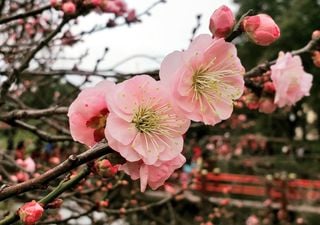
Ideal for patios, terraces, and small gardens, this compact tree provides shade, flowers, and a sweet harvest without causing structural damage.

Ideal for patios, terraces, and small gardens, this compact tree provides shade, flowers, and a sweet harvest without causing structural damage.
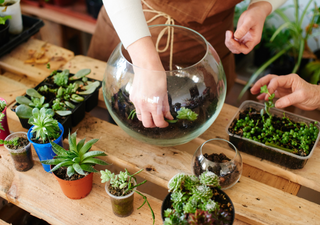
Creating a terrarium at home is easier than it seems, but its success depends on choosing the right type, plants, and the balance of humidity and light
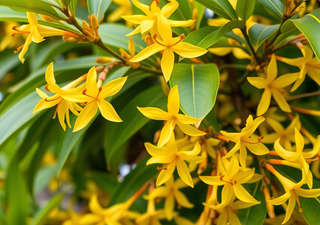
This tree is ideal for beautifying your garden, providing shade, and filling your home with the fragrance of its aromatic flowers.

Get your gardening gloves on and get planting a fragrant herb garden to promote health and wellness for yourself, friends, and family this year.
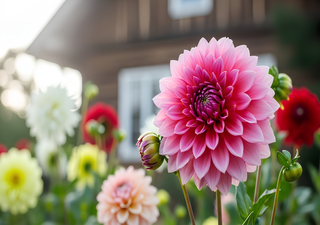
In February, professional gardeners secure the best plants for spring: dahlias, potatoes, fruit trees, snowdrops, and sweet peas. Those who place their orders early get the widest selection and the best harvest.
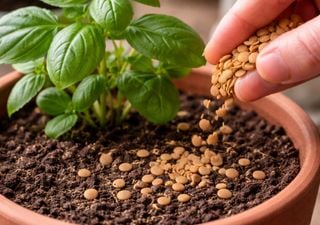
A natural and affordable gardening tip is gaining popularity in home gardening: placing lentils in pots to stimulate root development, enrich the substrate and encourage stronger growth without the use of chemicals.

What is it like to be Cora, the dancing lady orchid? Visit the Cambridge University Botanic Garden's 'Talking Plants' exhibition to find out.

Fast-growing trees are transforming forests around the world. Slow-growing species are disappearing, biodiversity is declining, and carbon sinks are at risk. Two new studies reveal the ecological consequences.
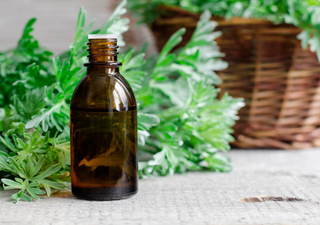
If you have a garden, you’ve probably already seen chewed leaves, aphids, or strange spots; before using chemicals, there are homemade solutions just as effective that you can easily prepare yourself.
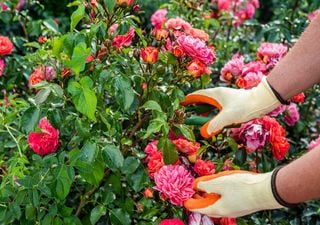
Looking for magazine-worthy roses? Learn to master your pruning shears with this expert technique that rejuvenates your plants and dramatically multiplies their blooms each season.

A study by the Cary Institute of Ecosystem Studies and the University of Leeds shows that tropical forests can grow much more quickly through the addition of nitrogen.
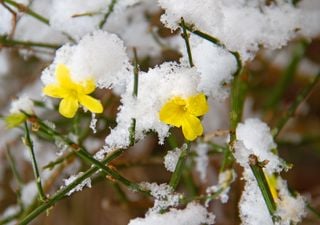
In winter, many plants maintain their firmness despite the cold. The key lies in cellular turgor, an internal mechanism that regulates water and protects plant tissues from low temperatures.