
Coconut Oil: Properties, Uses and Contraindications
It's important to note that the uses of coconut oil require further research and results may vary from person to person, so it's recommended to consult your doctor before including it in your diet.
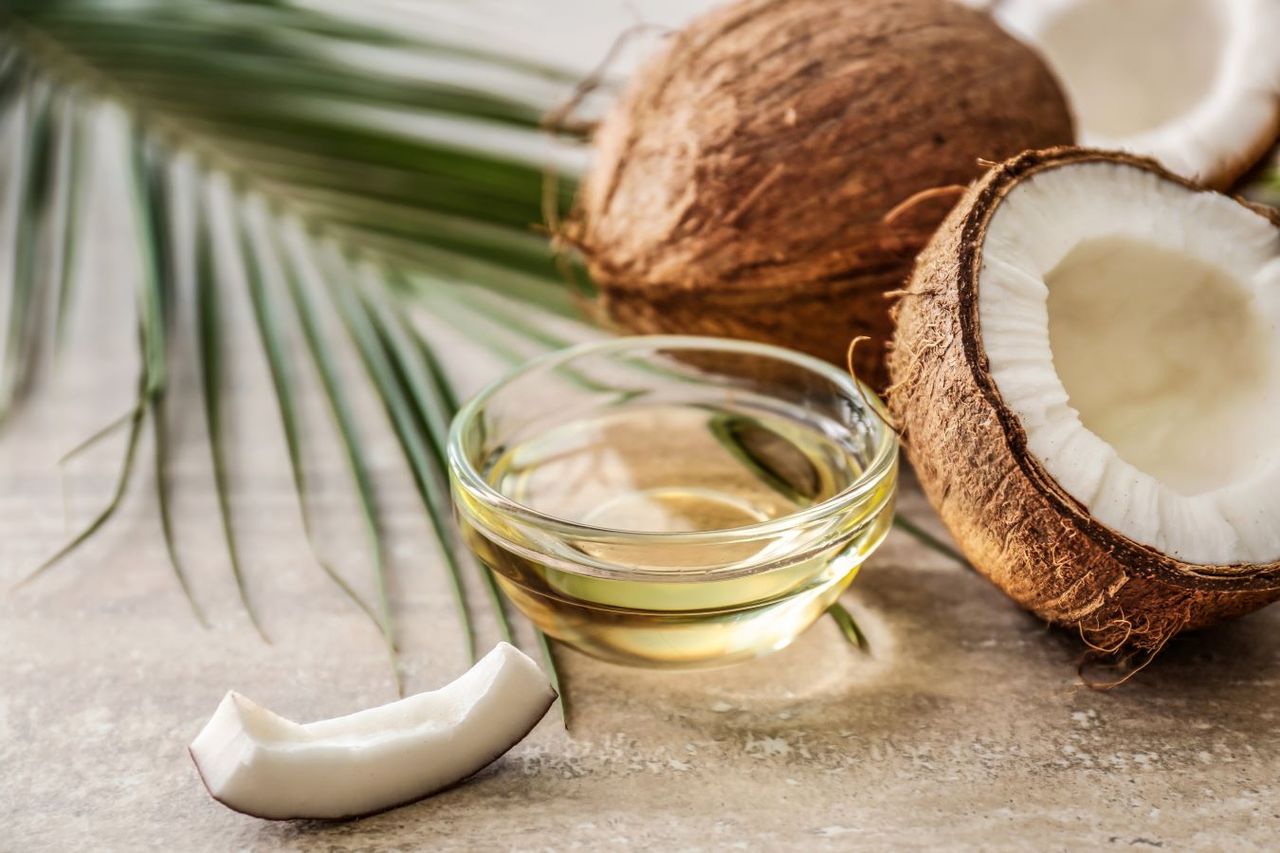
Coconut oil is also known as coconut butter, it is a vegetable oil composed mostly of saturated fatty acids, almost 85 percent. This oil is obtained directly from the coconut pulp, which explains its high concentration of saturated fat. Due to its characteristics, this oil offers many benefits for our health and beauty.
But beware, before rushing to buy any coconut oil, make sure it is virgin and completely natural, without any strange added ingredients. Ideally, choose those that come from organically grown coconuts, without chemicals or weird stuff. Now we will talk about the benefits of coconut oil.
Coconut oil, containing high levels of saturated fats, causes it to oxidize slowly and therefore can have a shelf life of about six months without spoiling. According to medlineplus.gov, the Natural Medicines Comprehensive Database rates efficacy based on scientific evidence according to a specific scale.
Coconut oil is commonly consumed in foods. But coconut oil contains a type of fat (saturated fat) that can raise cholesterol levels. Like all saturated fats, it should be consumed in moderation. When applied to the skin, it can be safe.
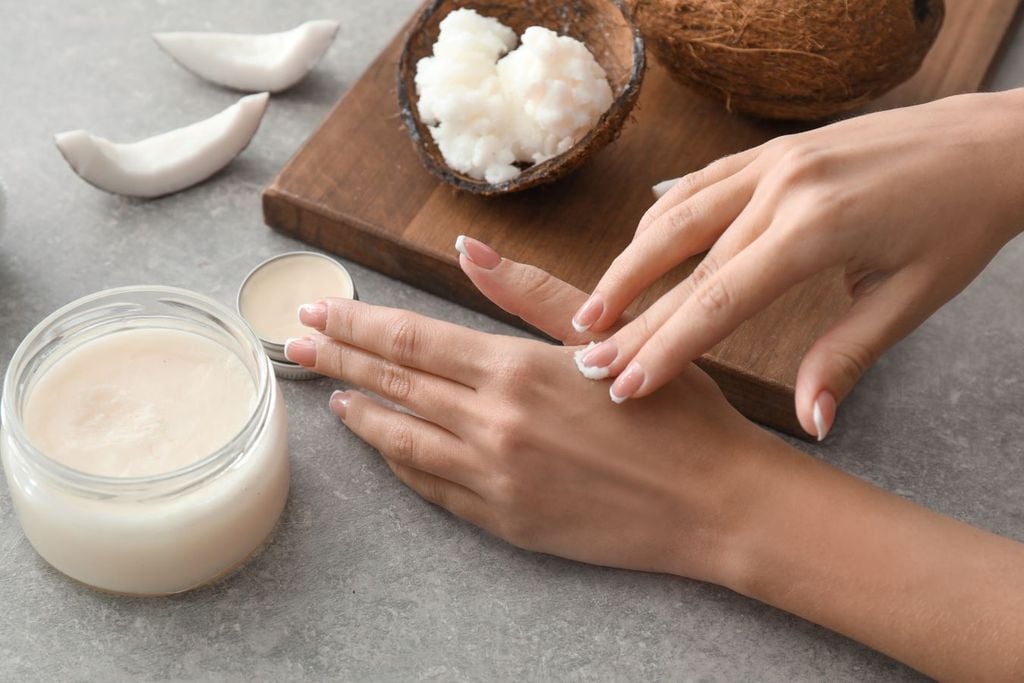
For this product, the rating given by the Natural Medicines Comprehensive Database is possibly effective for certain health problems such as eczema (atopic dermatitis). Applying coconut oil to the skin can reduce eczema symptoms in children more than applying mineral oil.
Growth and development in premature babies. Applying coconut oil to the skin of premature babies could improve body temperature, breathing, skin health, and overall growth. There is interest in using coconut oil for other purposes, but there is not enough reliable information to say if it could be useful.
Contraindications of coconut oil use
The United States National Center for Biotechnology Information conducted a search and research on coconut oil consumption to assess whether its use is safe and its effects on cardiovascular health, since being mostly saturated fat, it could represent a risk.
They reviewed the literature on the effect of coconut consumption on cardiovascular risk factors and results in humans, identifying 21 research articles for inclusion in the review: 8 clinical trials and 13 observational studies. Most examined the effect of coconut oil or coconut products on serum lipid profiles.
It is explained that foods rich in saturated fats are considered unhealthy since they increase low-density lipoprotein (LDL) levels in the blood, that is, "bad cholesterol."
“Bad cholesterol” is associated with artery blockage and a higher risk of heart diseases. However, experts point out that the key is not to overconsume and that reducing its use could also be beneficial to decrease cardiovascular disease risk.
But surprisingly, saturated fats in this case also tend to increase "good cholesterol," caused by the presence of high-density lipoprotein (HDL) which has the opposite effect: they prevent artery blockage because they help remove bad cholesterol, transporting it to the liver for excretion.
Some less standardized tests have been conducted; however, positive results were found in participants who had consumed coconut oil, as an increase in good cholesterol was detected, which would have reduced their risk of developing heart disease or strokes.