
Candles, incense and fireplaces pollute your indoor air far more than you might think.
The air inside your home can be two to five times more polluted than the air outside, according to the World Health Organisation. Two scientists share practical advice on how to reduce indoor pollution and limit its impact on your health.
Ambient air. Global pollution levels sometimes reach particularly alarming peaks. This can be the case in countries such as India, China and the United States. Industrial activity, heavy traffic on major roads and the widespread use of chemical products all pose real risks to the planet and to our health. Contrary to popular belief, however, we are not necessarily safer indoors than outside, as explained by Jonathan Levy, an environmental health specialist, and Gabriel Bekö, an environmental engineer.
Household products, gas and candles among toxic sources
In an interview with National Geographic, they explained why indoor air can be even more polluted than outdoor air, between two and five times more according to the World Health Organization, and most importantly how to reduce health risks by avoiding or adopting certain everyday habits. During winter in particular, we tend to spend far more time inside our homes.
Good ventilation encourages air renewal
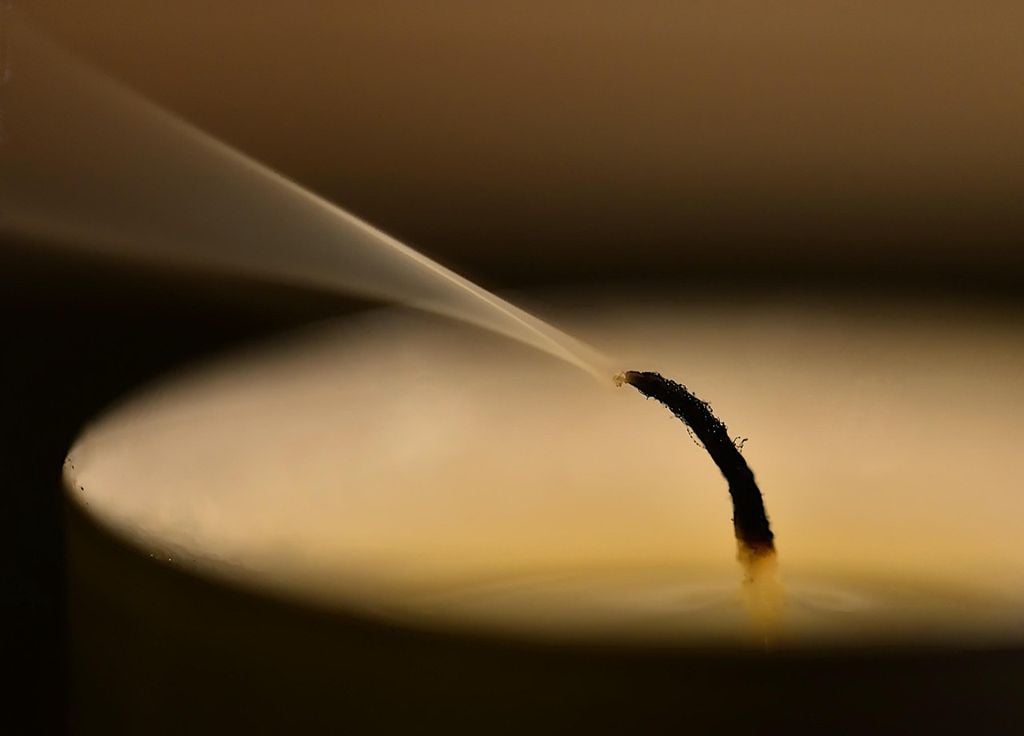
According to the researchers, many common sources can worsen indoor pollution. Burning candles, incense or lighting a fireplace increases contamination. These activities release gases and fine particles into the air, which can eventually enter the bloodstream. Aerosol sprays, which contain numerous chemical substances, raise similar concerns. Scientists have indicated that such exposure may contribute to developmental disorders in children.
“Many chemicals inside our homes come from everyday consumer products. A large number originate from hygiene and beauty products, but there are other sources such as combustion if you use gas burners or candles. Cooking also releases chemicals and particles,” explains Gabriel Bekö. These routine actions can have a genuine impact on health.
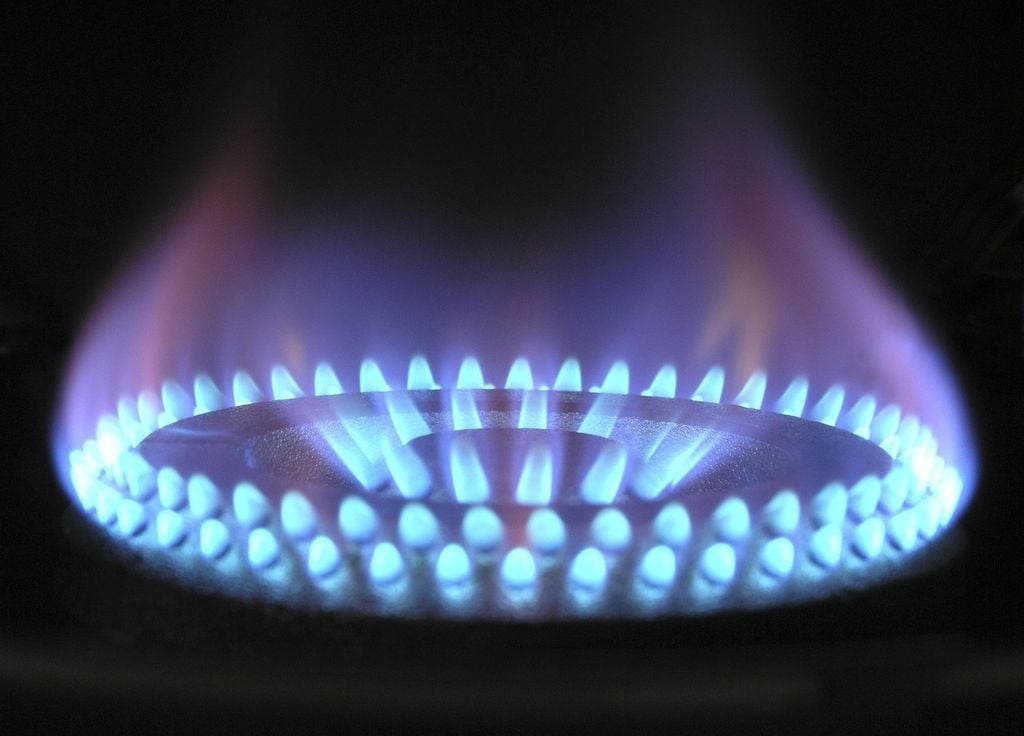
Jonathan Levy agrees that achieving zero pollution indoors is unrealistic. There is no need to stop living normally, but the aim should be to reduce exposure wherever possible and make sensible compromises. He highlights three main factors that degrade indoor air quality: the amount of material burned and the duration of combustion, the level of ventilation, and the size of the home. Smaller dwellings are particularly vulnerable.
So what can be done? The first habit to adopt is to open windows as often as possible during the day, even in winter. This allows fresh air to circulate and reduces the concentration of fine particles. A high quality air filter can also significantly improve indoor air quality. Finally, if possible, avoid using candles and incense unless they are truly necessary. Whenever they are not essential, it is better to remove these toxic sources from your living space.