
Complete Guide To Multiply Your Aloe Vera And Have An Eternal First Aid Kit At Home
Knowing the biology of this succulent allows you to have an endless supply. We share a step-by-step guide to identify, separate, and cure the offsets, ensuring that each new shoot thrives.
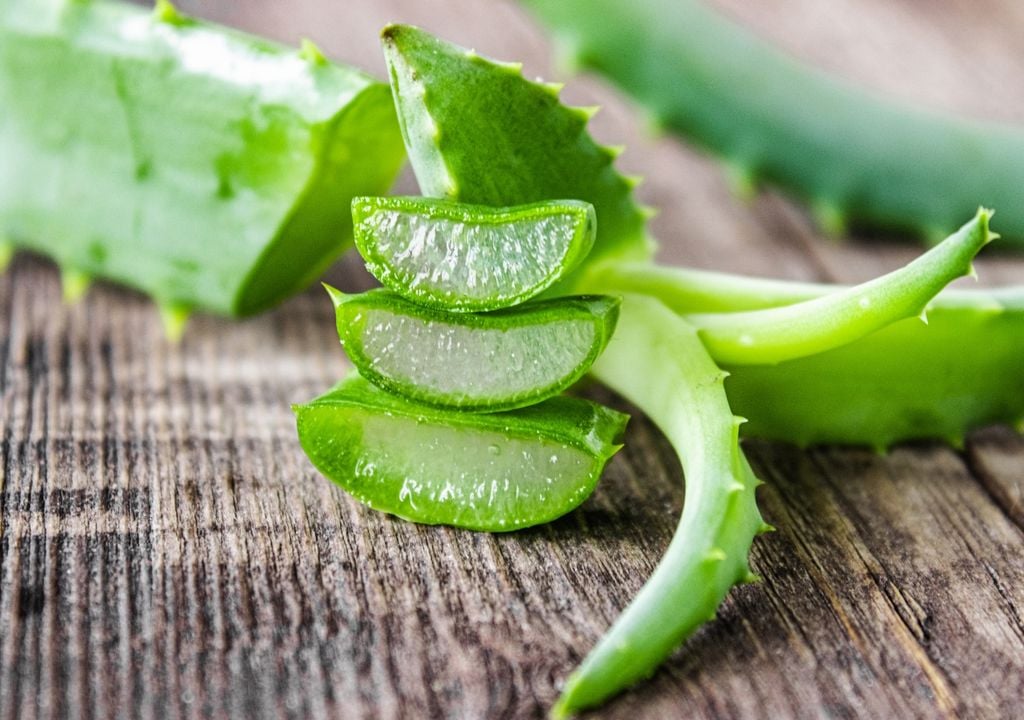
The multiple properties and benefits of Aloe Vera are well known. Its gel, famous for soothing burns, hydrating the skin, and promoting overall well-being, is a highly valuable household resource. But beyond its medicinal and cosmetic uses, this plant stands out for its self-sufficiency.
The secret lies in its biology: a single mother plant can become the source of an entire garden. Mastering the art of propagation through offsets is the key to obtaining an endless supply of strong specimens. It’s a process that combines economy, sustainability, and the joy of gardening. Here’s how to do it.
The Strategy of Offsets
To multiply Aloe, we must first understand its biology. Aloe is a perennial succulent that grows in a rosette shape, with thick leaves arranged in a circular pattern.
Its main method of reproduction is through lateral shoots that emerge from the base or root system. These small sprouts, known as offsets or pups, are genetic clones that, when they grow excessively, compete directly for resources and can compromise the vitality of the mother plant.
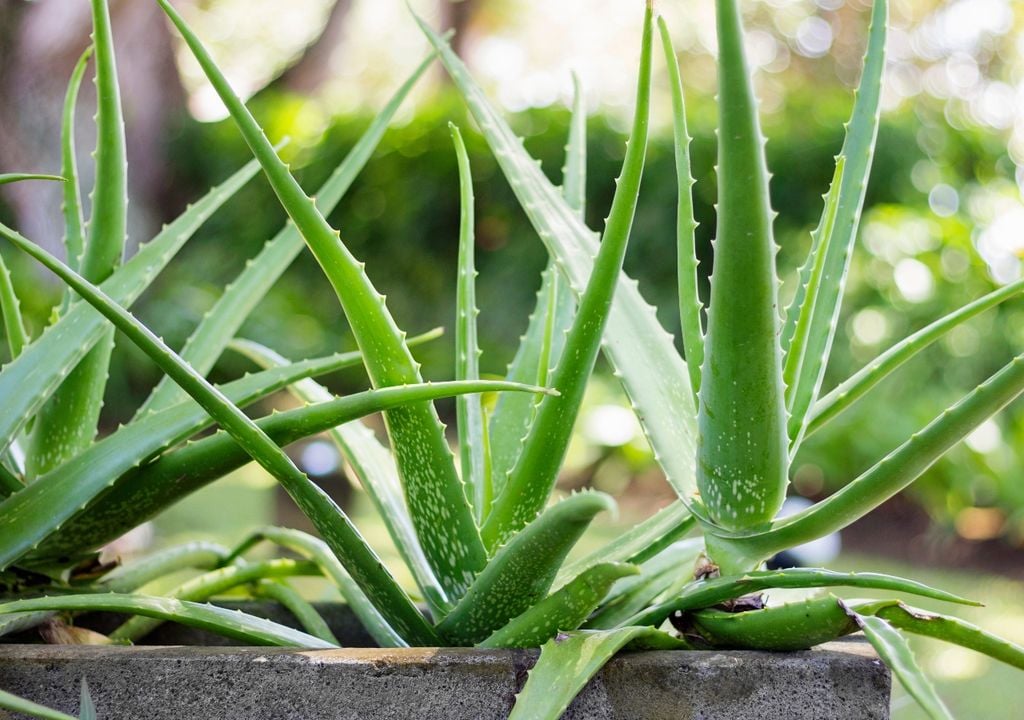
Aloe also has a shallow and extensive root system that requires well-aerated soil with excellent drainage to avoid waterlogging—its greatest enemy.
Multiplying It: The Ideal Moment and Choosing the Right Candidate
Timing is crucial in propagation. The best time to propagate is during the plant’s active growing period, ideally in spring or early summer. During these warm months, the plant’s ability to recover and establish new roots is at its peak.
How to identify a pup ready for separation? The first phase of propagation requires patient observation. Offsets don’t appear immediately—they emerge as small green shoots at the base of the mother plant or directly from the soil, signaling that the root system has enough energy and space for reproduction.
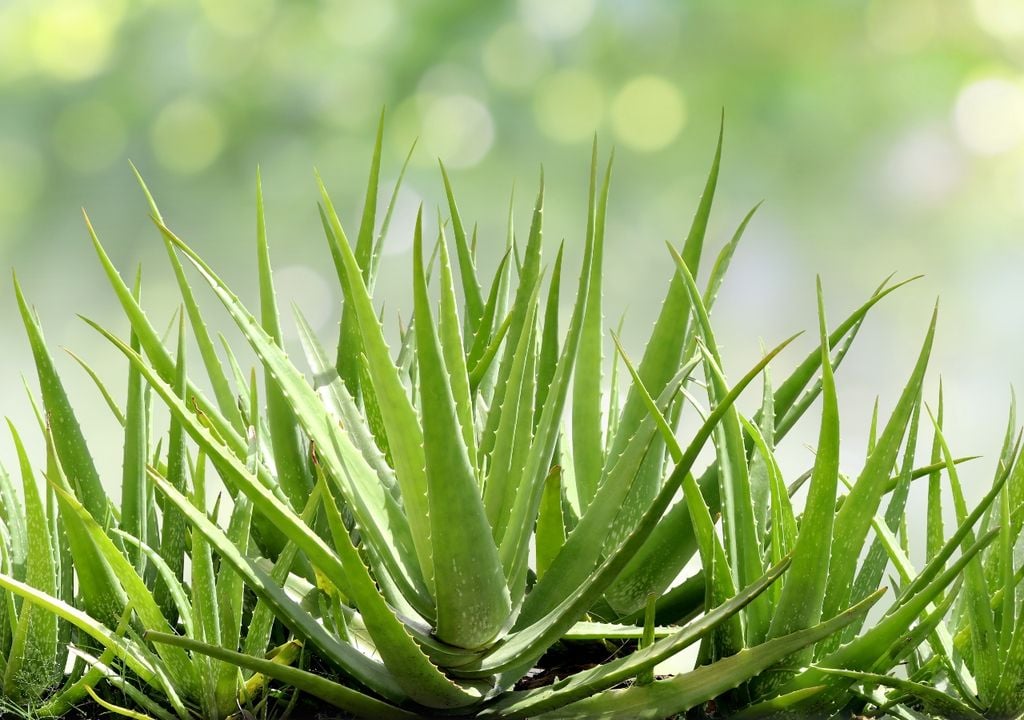
Gently remove the soil around the stem to check whether the plant has begun producing these shoots. Once confirmed, the next step is to wait until they reach the proper maturity for transplanting.
It’s essential to be selective. Only the pups that meet these two conditions have high chances of survival:
- Minimum size: they should be at least 8 to 10 centimeters (3 to 4 inches) tall.
- Own roots: the shoot must show visible roots emerging from its base.
Separating smaller or weaker shoots usually results in the failure of the new plant.
Preparation and the Curing Ritual
Preparation is key to a successful, infection-free transplant. Use clean, sterilized gardening knives or scissors. You’ll need small pots with good drainage.
Aloe is sensitive to excess moisture. Use a mix made for succulents or cacti, or improve your soil by adding coarse sand or perlite.
Extraction and cutting: remove the mother plant from its pot and brush off the soil to expose the base. With the sterilized knife, make a clean cut to separate the pup, ensuring it keeps its own roots intact.
Curing: once separated, leave them in a dry, shaded area for 24 to 48 hours. This crucial process, known as curing, allows the cut tissue to form a protective callus that seals the wound—essential to prevent moisture from entering and causing rot once planted.
Planting: bury only the roots of the pup in the new pot with substrate. Gently press the soil to stabilize it. Do not water during the first week.
Watering and Light: Crucial Habits for Survival
When it comes to watering, follow this golden rule: only water when the soil is completely dry to the touch. This will be more frequent in summer and occasional in winter (the dormant months). Excess moisture is the number one cause of death for this plant.
Aloe requires plenty of light to grow strong. Start by placing the pups in a spot with bright, indirect light, then gradually accustom them to more direct sunlight—ideally 6 to 8 hours a day. Sudden, intense exposure can burn the leaves.
Patience is an essential virtue when growing Aloe. A newly planted pup will need six to twelve months to reach enough maturity to establish a strong root system and start growing actively. Once this pup becomes a healthy adult plant, it will generally begin producing its own propagation pups within the next twelve to eighteen months.
By following these precise practices of selection, curing, and care, you’ll have a vigorous mother plant that continues producing healthy pups, ensuring an endless supply of this botanical wonder.