
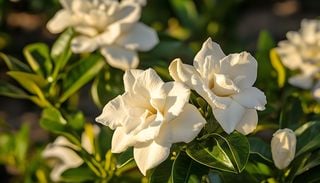
Now is the perfect time to bring this classic plant into your home. Here is an overview of the basic care it needs, the secret to the ideal soil and tips for achieving beautiful blooms.

Mariela de Diego has a degree in Communication Sciences with a specialisation in journalism from the University of Buenos Aires and she is studying a master's degree in Scientific Communication.
Since 2013, she has been responsible for Press and Citizen Communication at the National Meteorological Service of Argentina, where she produces informative and outreach content.
She is an ambassador on the Board on Representation, Accessibility, Inclusion and Diversity of the American Meteorological Society. She was part of climate communication working groups at the World Meteorological Organization and was responsible for the communication of the Drought Information System for Southern South America (SISSA).
In addition to being an editor for the popular magazine Meteoros, she worked and collaborated in organisations and publications in the aeronautical field. In her spare time, she writes narrative and participates in literary workshops.
Now is the perfect time to bring this classic plant into your home. Here is an overview of the basic care it needs, the secret to the ideal soil and tips for achieving beautiful blooms.

Any traveler can submit a nomination through an online form. Here are the selection criteria, when the winners will be announced, and the economic impact on the destinations chosen.
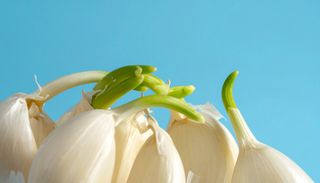
Three easy ways to plant garlic on your balcony or in the garden, care for the sprouts, and grow large, flavorful bulbs using what you already have in your kitchen.

With an unmistakable fragrance and thousands of flowers that fill the air with their scent in spring, this giant does more than beautify green spaces: it is also one of the most widely used medicinal plants. Here’s how to grow it at home and harvest its flowers.

Some species adapt their roots perfectly well to life in pots. Here are three hardy options that add color and shade without taking up too much space.

Un baño luminoso puede convertirse en el oasis ideal para algunas plantas tropicales. Estas especies aprovechan el vapor de la ducha y suman aromas naturales a tu casa.

A guide to creating miniature landscapes in tiny containers. Discover which succulents thrive with limited root space and the lighting conditions they need to stay healthy indoors.
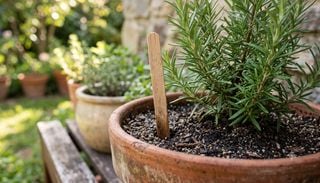
A simple wooden skewer can be a powerful ally for your plants. Here's how this easy test works and which other varieties benefit from it.

A new study calculated the exact amount of land and the key crops needed to keep the population of a mid-sized city alive under two extreme global collapse scenarios.

Although they are famous for tolerating all kinds of neglect, these plants produce lush, colorful blooms that can rival even the showiest flowers in the garden.

Once highly valued in offices for its robustness and ease of maintenance, it is now a star of interior decoration.

Many ingredients still retain an intense fragrance. With just a few minutes of preparation, they can become a simple way to naturally scent your home.

In addition to enhancing beauty, these species help regulate temperature and create cooler spaces both outdoors and inside the home.

The garden has its own tricks for creating abundance. These seven plants can be divided easily and transform an empty corner into a small green paradise.

Fewer pots, more impact: giant plants are becoming key allies for creating more elegant interiors.

These species not only tolerate low light, but also grow vigorously and fill the most challenging corners of the garden with greenery and texture.

Fast height growth, dense foliage, and smart species selection: three keys to creating a green screen in less time.
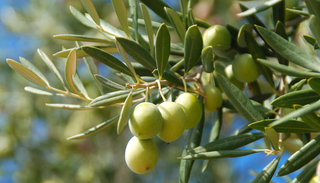
Growing an olive tree is simpler than it seems. What it needs, how to care for it, and when its long-awaited olives arrive.
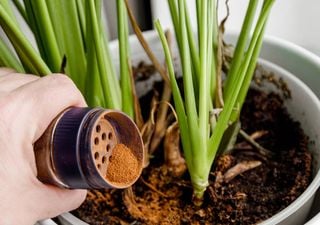
A simple, accessible and natural option to strengthen the care of your plants without resorting to more aggressive chemical products.

They are rare, almost invisible, and only appear when the atmosphere is combined in a very particular way. What makes them different and in what situations can they be found?