
How to Grow Your Own Mango Tree at Home Without a Garden, Right in a Pot
Do you think a mango tree needs a large plot of land to grow? Not always. With proper care and space, you can have your own mango tree at home.
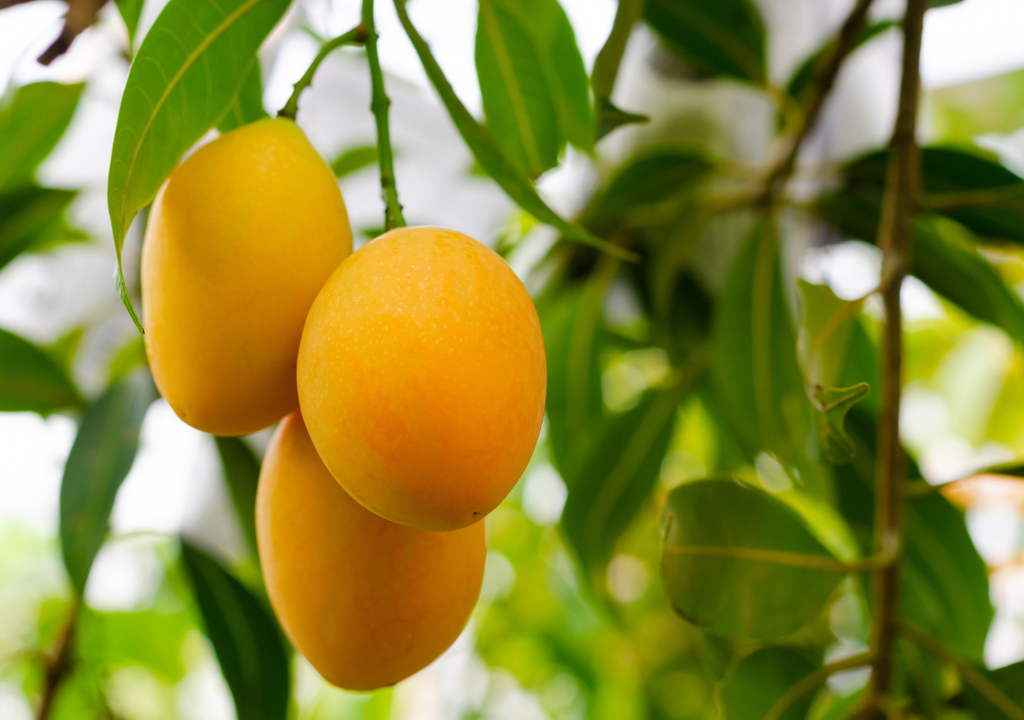
Imagine opening your balcony door or looking out your window to see a tree full of bright green leaves and golden mangoes ready to eat. No, you’re not on a tropical beach or at your grandmother’s country house—you’re in your own home, even if it’s an apartment in the middle of the city.
Best of all, you created this little Eden yourself—with a pot, a bit of soil, and the desire to have fresh fruit without depending on anyone. The mango is not just a tropical fruit; it’s a symbol of abundance, flavor, freshness, and those afternoons that taste like vacation.
Many think you need perfect weather and acres of land to have one, but the reality is different. Nature is far more generous and adaptable than we think, and this tree is proof of that. Of course, it’s not about planting today and harvesting tomorrow, but it’s also not the impossible mission many imagine.
With a bit of patience, some specific care, and knowing which type of mango to choose, you can have your own tropical Eden—even if your home is more rooftop and balcony than spacious garden. In the world of urban gardening, the mango is that star project that surprises everyone.
This isn’t like growing herbs or cherry tomatoes; it’s a bigger step—it’s going for a tree that will stay with you for years and can even be passed down through generations if cared for properly. And the best part? Every time someone sees it, they’ll ask the same question… “Seriously? You have that in a pot?”
The benefits of having a mango tree at home
Growing a mango tree at home isn’t just about the fruit. It’s about having a little piece of the countryside in your space, providing shade, freshness, and even purifying the air. A well-cared-for mango tree in a pot can bloom and bear fruit, which in an urban setting is quite a luxury. Plus, you avoid the chemicals and pesticides often used in commercial production.
The mango is a perennial plant, meaning it stays with you year-round. Unlike other fruit trees, it doesn’t lose its leaves in winter, giving it constant presence on your terrace or patio. And let’s not forget: it attracts pollinators like bees and butterflies, which benefit your garden overall.
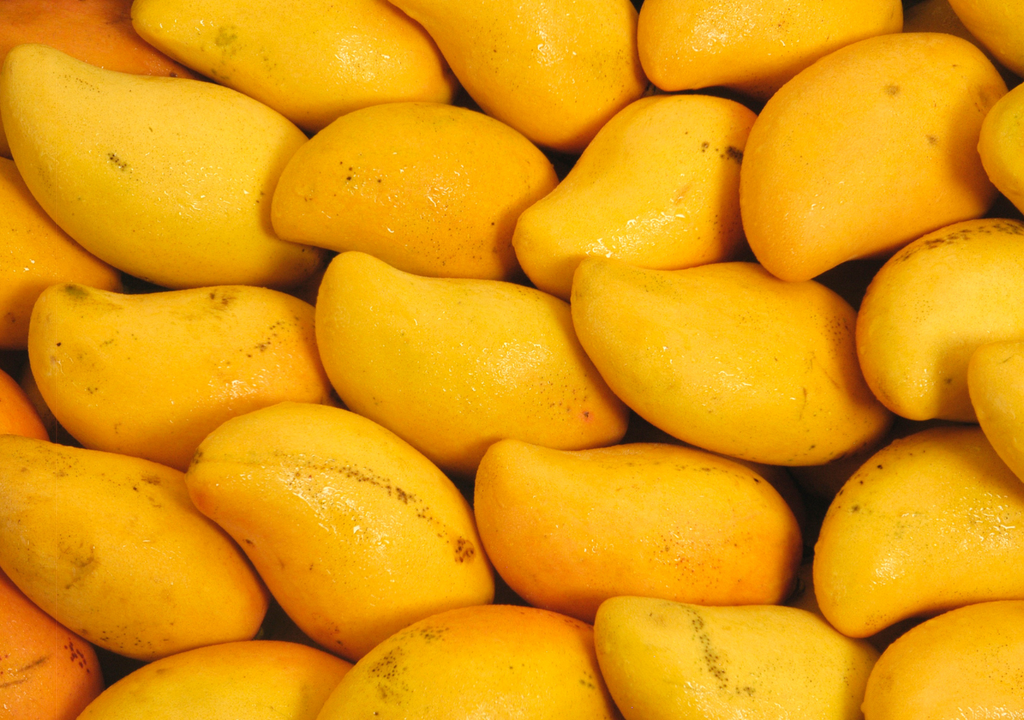
Not all mangoes are the same or grow the same way. For small spaces, the best choice is dwarf or semi-dwarf varieties. Among the most recommended are Ataulfo mango—small, very sweet, with a thin seed; Manila mango—hardy, with a classic flavor; and Palmer mango—which adapts well to large pots.
The variety you choose determines the tree’s final size and when it will start bearing fruit. Some varieties can produce in 3 to 4 years, while others take a bit longer. That’s why it’s worth asking local nurseries which varieties do best in your area.
Preparing the space and materials
Even without a garden, a mango tree needs a large pot or container, at least 60 cm deep, so its roots can develop properly. Ideally, use clay or sturdy plastic pots with good drainage. The soil should be rich in organic matter and well-draining to prevent waterlogging and root rot.
An ideal mix includes black soil, compost, and coarse sand for aeration. Adding worm castings at the start will give it a nutrient boost. It’s also essential to place the pot where the tree gets at least six hours of direct sunlight a day—no sun, no fruit.
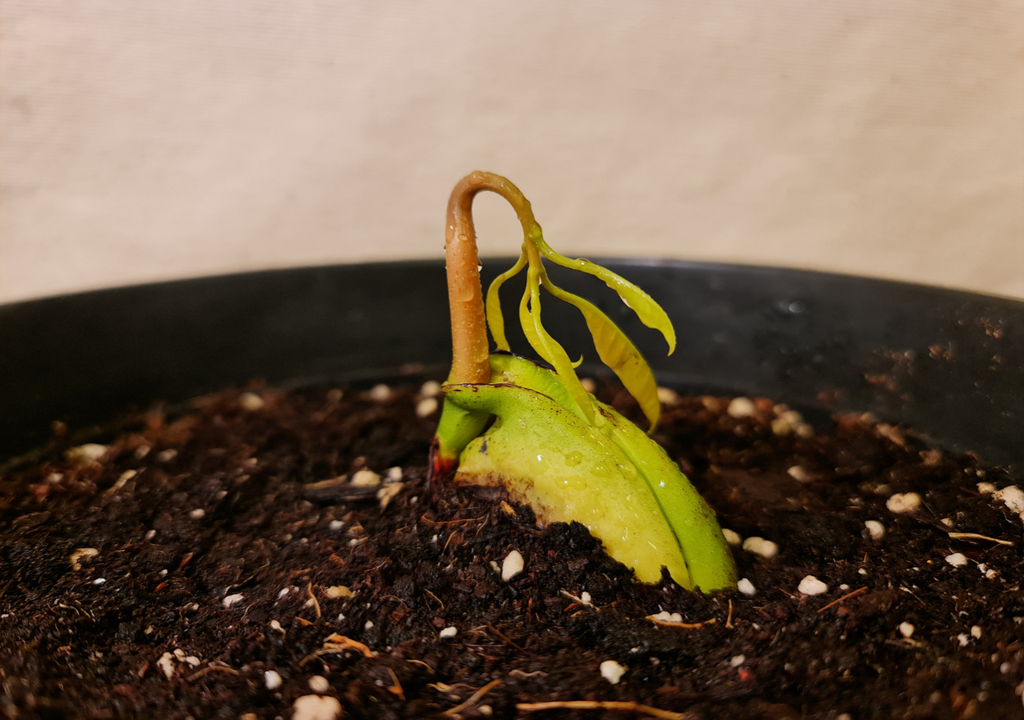
If starting from seed, first remove the hard shell protecting the mango pit to reach the inner seed. This speeds up germination. Then wrap it in damp paper, place it in a plastic bag, and refrigerate it. In a few days, you’ll see shoots and roots sprouting.
The faster option is buying a seedling or young tree from a local nursery. When transplanting it into its final pot, do it in the late afternoon as the sun is setting to avoid heat stress, and water it immediately to settle the soil and reduce transplant shock.
Essential care for your mango tree
Watering is key—regular but not excessive. A good trick is to stick your finger into the soil: if it’s dry 3 cm deep, it’s time to water. If there’s moisture below even if the surface looks dry, wait a couple more days. During flowering and fruiting, the mango appreciates a bit more water.
For fertilizing, do it every two to three months by applying compost, worm castings, or an organic fertilizer rich in potassium and phosphorus directly at the base of the trunk. These nutrients support flower and fruit development. Light pruning also helps manage height and branch growth.
The mango is tropical, so it doesn’t tolerate hard frosts. If you live in a cold area, move the pot to a sheltered spot in winter or cover it with thermal fabric. Common pests include mealybugs, aphids, and fruit flies, which you can prevent with organic treatments like garlic tea, neem oil, or potassium soap.
The mango doesn’t grow as quickly as a radish. In the first year, you may only see leaves and a stem, and that’s fine—the tree is establishing itself. Over time, you’ll see flowers, then small fruits that will gradually grow. The first harvest in a pot, if all goes well, can come in 3 to 5 years, and once you taste it, the wait will be worth it.
Having a mango tree at home is like having a little green jewel that grows with you. It’s a project that combines patience, care, and the unique satisfaction of eating something you grew with your own hands. Yes, it takes dedication and the understanding that it’s not a quick crop, but what you get in return is more than just fruit—it’s a piece of the tropics right in your own Eden.