
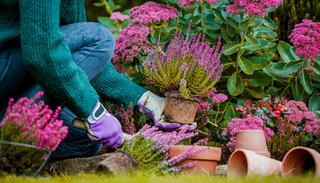
The end of summer doesn’t mean it’s time to put away your tools. With cooler temperatures and crops better suited to the season, fall is a great time to prepare your garden for the months ahead.

With a degree in Agronomy Engineering from the Universidad Popular Autónoma del Estado de Puebla and a Masters in Agribusiness from the Universidad Panamericana, Eduardo has dedicated his career to promoting sustainable agriculture and food security.
In his role as agroanalyst and digital content creator, Eduardo combines his experience in the agri-food sector with exceptional communication skills. His ability to analyze situations and develop valuable content has been highlighted on various platforms.
Participating in projects aimed at improving the quality of life in rural communities is part of his vision. Promoting sustainable, efficient agricultural practices and the adoption of technologies that improve efficiency are constant goals. Committed to promoting urban agriculture, sustainability and food security, Eduardo approaches each project with passion and precision. His analytical approach and writing skills make him a valuable professional in the world of agricultural communication.
The end of summer doesn’t mean it’s time to put away your tools. With cooler temperatures and crops better suited to the season, fall is a great time to prepare your garden for the months ahead.
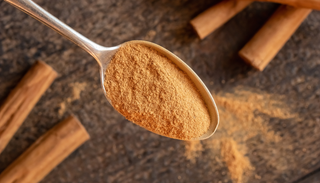
You probably have cinnamon at home, but you may not know that it can also be used on your plants. The key is knowing when it can help and when it’s better to avoid it.

How does a tree more than 70 meters tall manage to transport water all the way to its leaves during a drought? Some of these forest giants have remarkable secrets that help them survive.
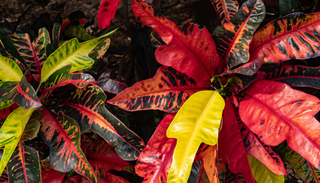
Its leaves look hand-painted, but keeping their colors vibrant can be a challenge. Learn how to care for this plant and make it the star of your garden.
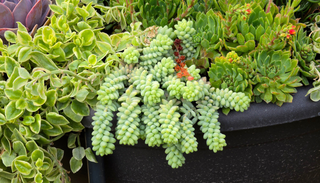
A beautiful balcony doesn’t have to be a headache. With the right plants, you can fill it with life even if you have limited space, little experience, or sometimes forget to water.
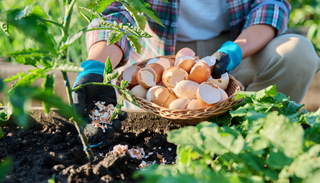
With a little know-how on how to clean, crush, and apply them according to your plants' specific needs, your breakfast leftovers can become a valuable ally in your garden.
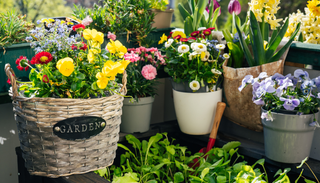
With the right plants and clever use of walls and railings, even the smallest balcony can be transformed into a low-maintenance, productive urban oasis.
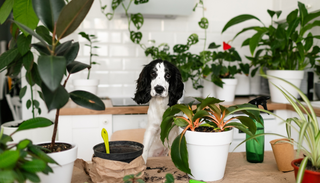
Having beautiful plants at home while living with dogs or cats is absolutely possible. Today, there are many safe options that can bring life to your spaces without putting your pets' health at risk.
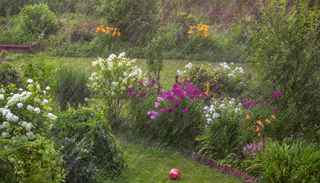
Before a tropical storm or hurricane arrives, it's important to prepare your garden. There's no need to panic, but rather make simple adjustments to prevent your plants from dying.
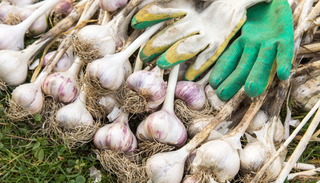
Garlic is one of the easiest crops to grow, but it does not produce large bulbs simply through fertilizing or regular watering. Its size depends on cold exposure, daylight length, and proper management.
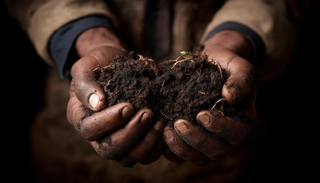
Beneath every plant lies a living network that remains unseen, yet determines whether its roots are well nourished, withstand stress, or begin to slowly fail.
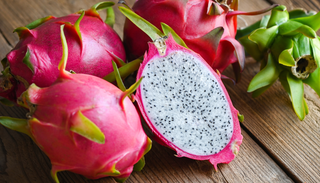
Having a pitahaya plant at home is not as complicated as it seems, but it is also not a plant you can neglect. There are key steps that make the difference in getting it to produce fruit.
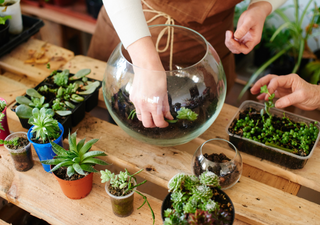
Creating a terrarium at home is easier than it seems, but its success depends on choosing the right type, plants, and the balance of humidity and light
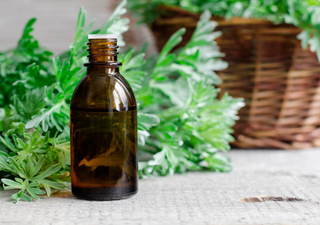
If you have a garden, you’ve probably already seen chewed leaves, aphids, or strange spots; before using chemicals, there are homemade solutions just as effective that you can easily prepare yourself.
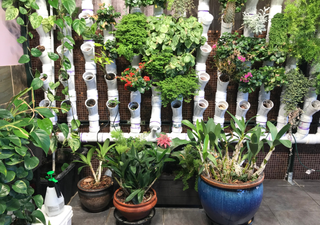
A simple technique, with no wires or motors, that allows plants to water themselves for days. It is all based on understanding how water moves in nature.
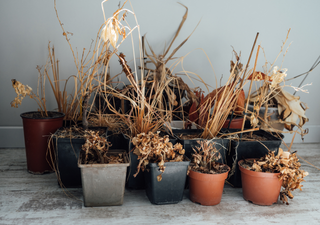
Some plants seem completely lost, but they still hold life where it’s least noticeable. With a quick check and a realistic rescue method, you can tell if there’s still hope.
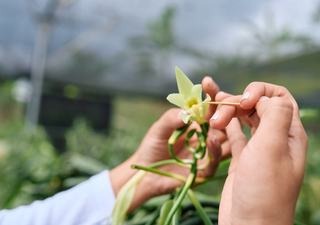
Few people know that behind the sweet, familiar aroma of vanilla lies one of the most delicate and technical agricultural processes in the plant world.
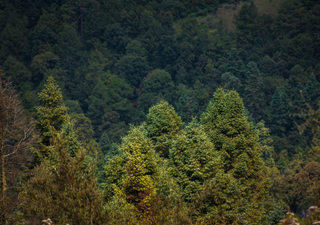
The oyamel is not just an elegant conifer; it is an essential part of an entire ecosystem and a living symbol of Mexico’s temperate forests.
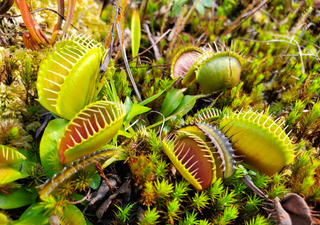
It moves, reacts, and makes decisions in a matter of seconds, all without a brain or muscles, using electrical signals that allow it to detect prey and close its trap at the right moment.
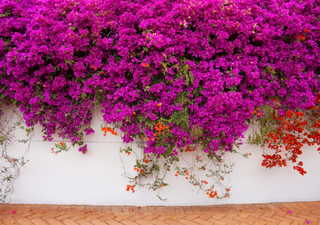
Bougainvillea is one of the most common plants in gardens and cities, but its colors are deceiving: they are not flowers, but a botanical strategy that makes it more resistant.