
This Fruit Tree Grows Quickly Even in Cold Climates and Will Look Fantastic in Your Garden
When cold weather arrives, many fruit trees “shut down” and go dormant, but there are hardy species that withstand extreme temperatures, grow vigorously, and maintain their beauty year-round.
In the world of gardening, something curious happens: as soon as we talk about cold climates, many people resign themselves to the idea that their garden will “look good” only in spring and summer. And I don’t blame them—cold weather changes the rhythm of almost everything: the soil cools down, microbial life decreases, and most plants enter a kind of energy-saving mode.
That’s why planning a winter garden is not just about choosing pretty plants, but also about understanding how they behave, and when it comes to fruit trees, the challenge is double. It’s not enough for them to survive a frost; we also need them to form structure, flower properly, and avoid weakened wood.
Many fruit trees can live in cold conditions but become slow, stressed, or produce irregularly. There’s also the aesthetic factor: in winter, when leaves fall, most trees turn into “just trunk and branches.” Sometimes that’s beautiful, and sometimes it feels like a lifeless garden.
And when you add the fact that in cold regions the green season is shorter, it becomes important for the tree to offer something more: a strong silhouette, interesting bark, or a striking fall color display.
A fruit tree in the garden is not just a fruit tree. It provides shade, creates a microclimate, offers habitat, feeds wildlife, and serves as a central design element. When you choose well, the tree works for you—but when you choose poorly, you spend your time correcting problems.
The Mulberry: A Fast-Growing Fruit Tree That Isn’t Afraid of the Cold
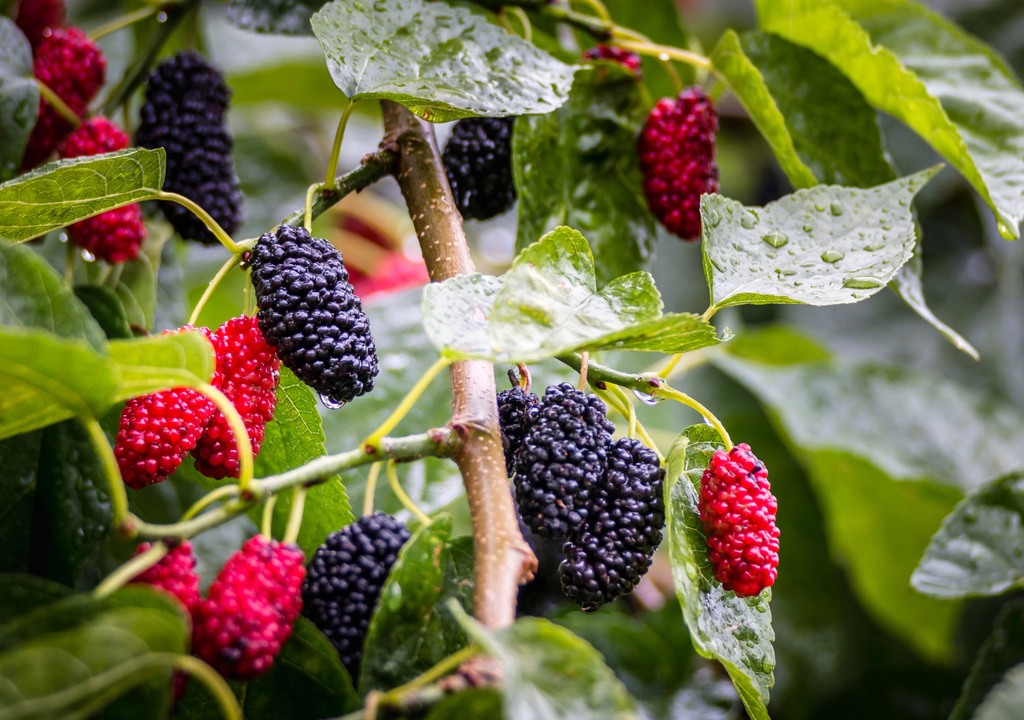
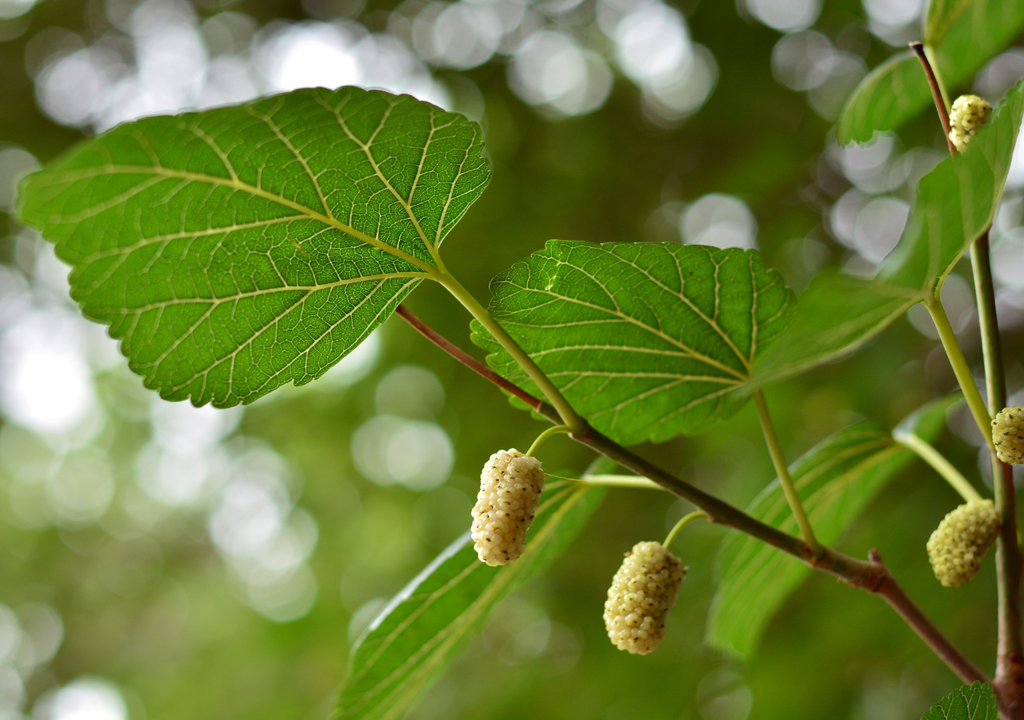
The mulberry belongs to the genus Morus, a group of species that behave as small to medium-sized trees. Under good conditions, it can grow aggressively; technical and extension reports mention that many mulberries can grow more than 3 meters per year and begin producing fruit very early.
In cold climates, several mulberry species enter dormancy reliably and rebound strongly when temperatures return, resulting in a plant that establishes quickly and usually demands less than other more “delicate” fruit trees.
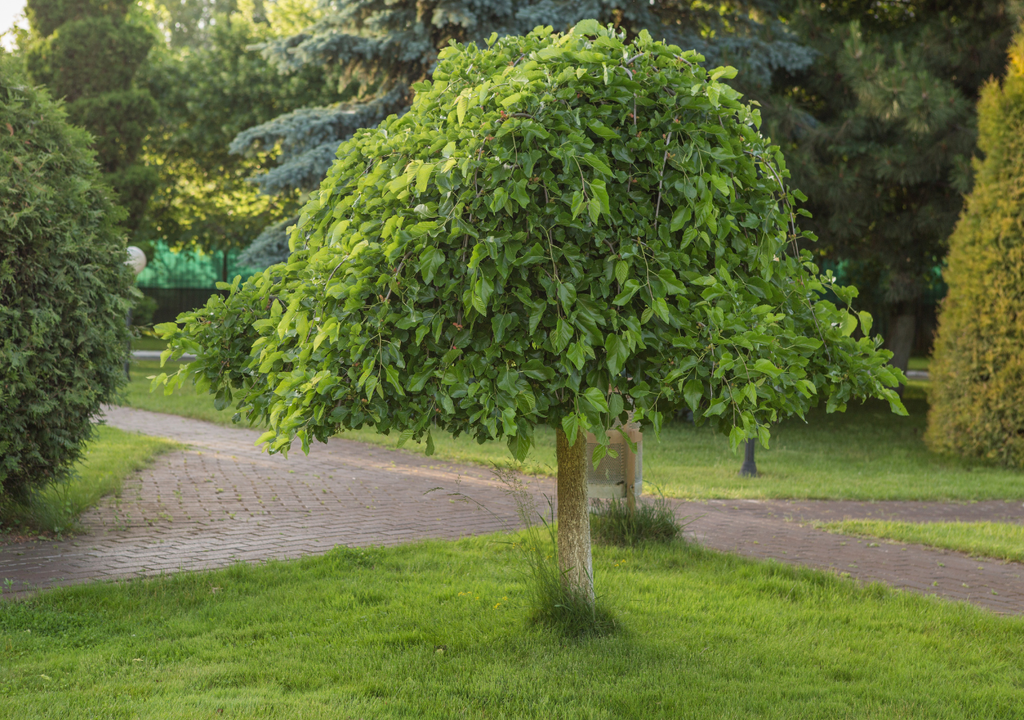
Many mulberries also offer a beautiful end to the season: their leaves can turn yellow and gold in autumn, and once leafless, they retain visual interest thanks to their branch architecture, especially in varieties with weeping forms or striking branch shapes.
When it comes to varieties and species, this is where careful selection matters. Talking about “mulberry” as if it were a single thing is a common mistake— not all mulberries behave the same in cold conditions. If your priority is withstanding harsh winters, one of the most recommended for cold hardiness is the so-called Russian mulberry (Morus alba var. tatarica).
If what you want is abundant fruit and a long harvest season, there are hybrids and popular selections such as “Illinois Everbearing” (Morus alba × rubra), known for being productive and performing well in cold climates, often entering production quickly.
However, if your area is truly cold, there are mulberries you may want to avoid. The black mulberry (Morus nigra) tends to be less hardy, and the “Pakistan” mulberry (Morus macroura) often suffers from frost damage and early bud break that can later be burned by late frosts.
Where to Plant It So It Grows Fast and Doesn’t Cause Problems
If you want the mulberry to perform like a “turbo tree,” location is key. In general, it does best in full sun; it can tolerate some shade, but fruit production and vigor usually improve with more light.
Also think practically: mulberries can be messy. If you plant a fruiting variety, keep in mind that ripe fruit falls and can stain surfaces. So if you place it next to pavement, a driveway, or a light-colored patio, you’ll remember this advice.
If you only want the ornamental effect and are not interested in fruit, there are cultivars selected for form, including weeping types, specifically used for garden design.
The first year is critical: deep, spaced watering helps roots grow downward. Once established, it is usually an easy tree. What greatly improves cold performance is keeping the soil “anchored”; a layer of mulch helps stabilize temperature and moisture in the root zone.
Before the ground freezes (or before the coldest weeks arrive), it’s advisable for the soil profile to have good moisture. Moist soil buffers temperature swings better than dry soil, reducing root stress during cold snaps, especially in young trees.
Pruning mulberries is more about shaping structure than “cutting just to cut.” When young, it’s best to build a strong, well-balanced canopy. When mature, simply remove dead, damaged, or crossing branches.
One important detail is sap “bleeding.” Some species are prone to losing sap when pruned during periods of high circulation, especially from late winter to early spring, when sap begins to rise.
Watch the Ecological Impact: In Some Places It Can Become Invasive
In the United States, for example, Morus alba is documented as a species that can behave invasively in some regions, and several institutions point to its ability to spread and displace native vegetation.
Does that mean it should never be planted? Not necessarily. It means that the right variety must be chosen, managed responsibly, and prevented from spreading into natural areas if your region carries that risk.
Taken together, the mulberry stands out for a rare combination: fast growth, cold hardiness, fruit production, and visual appeal. This mix makes it a very interesting option for gardens in cool-temperate regions, higher elevations, or places where winter limits other species.
With mulberries, success depends less on having a “green thumb” and more on choosing the right species or variety for your climate and placing it where it won’t cause space or staining issues. Do that, and you’ll have a fruit tree that delivers rewards quickly and with fewer headaches.