
How to Revive a Dying Plant: A Practical Guide to Giving It a Second Chance
A weakened plant can recover with simple, well-directed care. Detecting the signs early can mean the difference between losing it or seeing it flourish again.
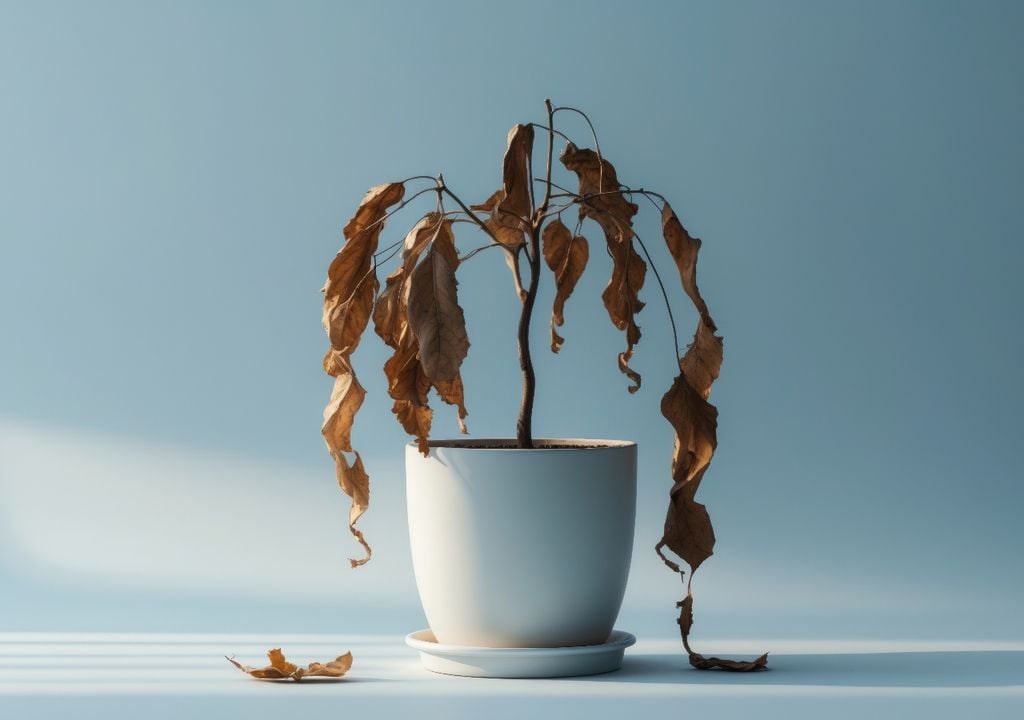
Dry pots, drooping leaves, limp stems. It’s happened to all of us at some point: a plant that seemed healthy suddenly starts to slowly decline. And we wonder: where did we go wrong? What did we do?
Don’t panic! Looking bad doesn’t always mean it’s doomed. Many times, with just a few well-applied care steps, it’s possible to see it grow lush again. Here’s a practical guide to detect the problem and act in time.
Step 1: Urgent Diagnosis
Before doing anything, take a close look. Are the leaves yellow or brown? Is the soil dry or waterlogged? Do roots show underneath the pot? Each clue can indicate a different problem.
Yellow, drooping leaves: usually too much water or lack of light.
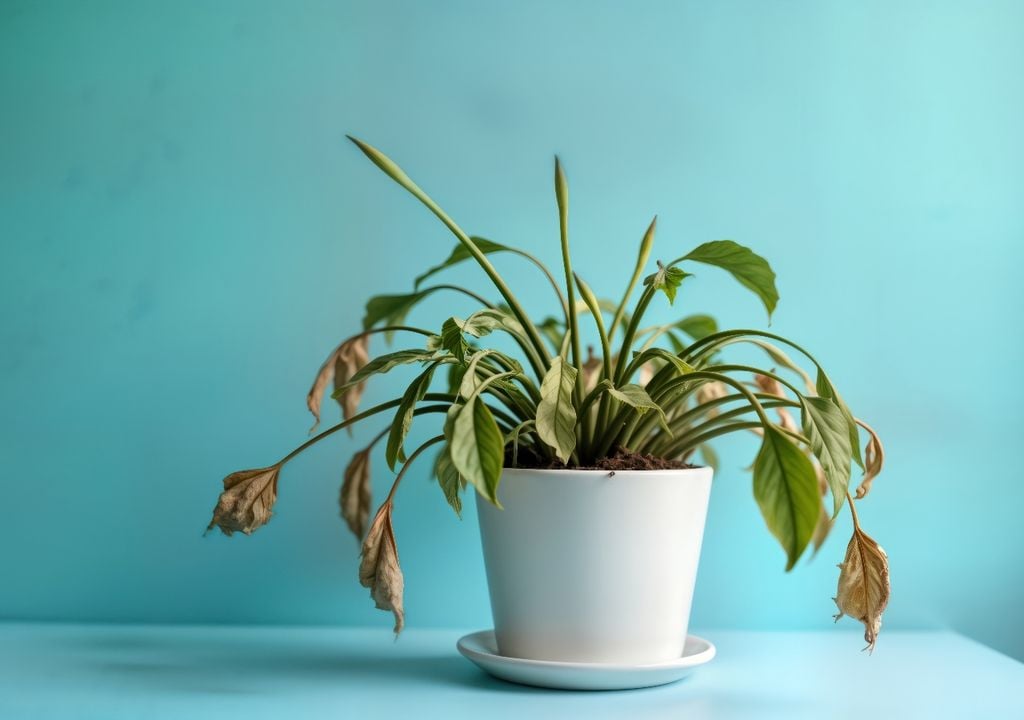
Dry or brittle leaves: could be lack of watering, low humidity, or too much direct sun.
Blackened leaves or soft spots: likely fungus or rot from excess moisture.
Step 2: Check the Roots
A declining plant almost always has a root problem. Gently remove it from the pot and observe:
White, firm roots: healthy.
Brown, soft roots with bad odor: rotting.
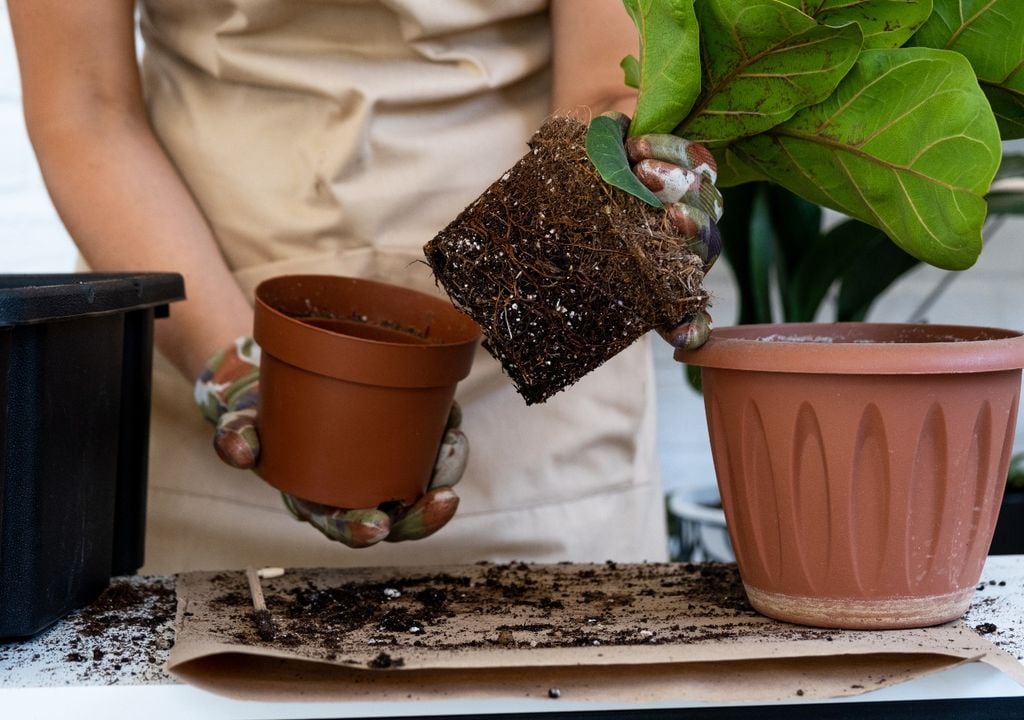
If they’re rotten, cut away the damaged parts with clean scissors and let the plant rest a few hours to heal. Then replant it in dry, well-aerated soil.
Step 3: Change the Soil
Often, old soil is compacted, nutrient-poor, or poorly drained. Choose a mix suited to the plant type: sandier for cacti and succulents; richer in organic matter for indoor or flowering plants.
A useful tip: mix in some perlite, vermiculite, or coconut fiber to improve aeration and drainage.
Step 4: Light, Water, and Patience
Once transplanted, don’t water right away. Wait 24 to 48 hours to avoid excess moisture damaging the freshly cut roots. Then water only when the soil feels dry to the touch.
Place it in a bright spot without direct sun, especially if it’s weak. Avoid moving it often: stressed plants need stability.
Step 5: Stimulate New Growth
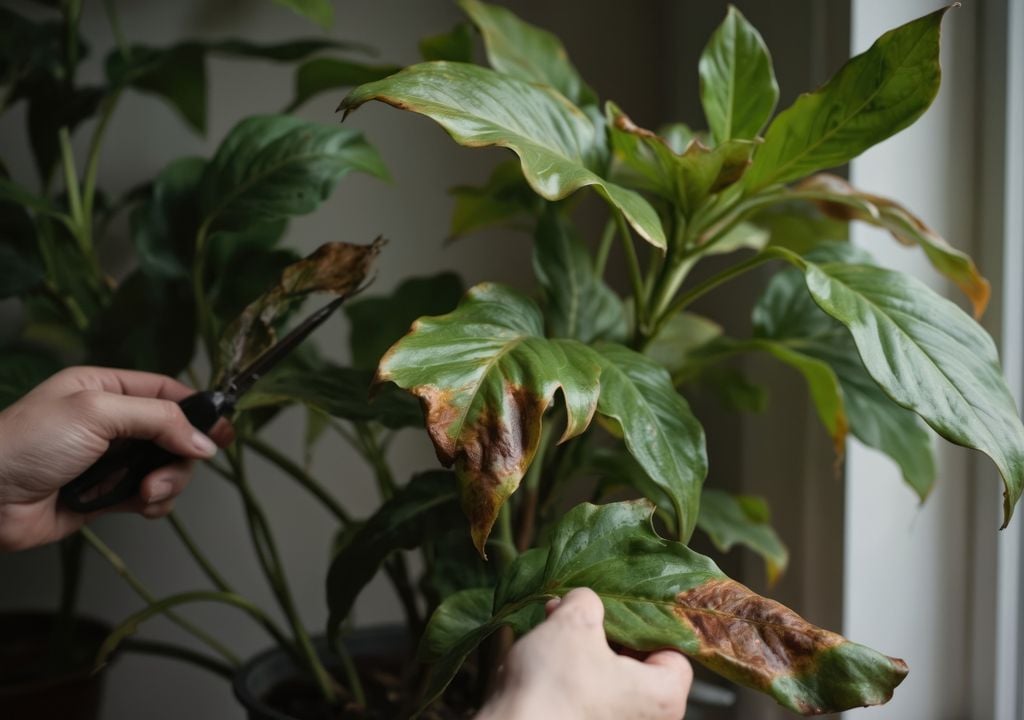
Once stabilized, you can boost it with a mild fertilizer, like liquid compost or seaweed extract, every 15–20 days. You can also mist the leaves to increase humidity, especially indoors. Another trick: pruning dead leaves or branches helps redirect energy to new shoots.
Not every plant can be saved. If the main root is completely dead, or if the stem is hollow and brittle, it’s likely beyond recovery. But if there’s a green branch or a firm leaf, there’s hope.
Reviving a plant is, above all, a matter of observation and consistency. And when it finally sprouts again, the reward is double: you’ve saved a green life… and also learned a bit more about how to care for it.