
How to revive plants stressed by extreme heat: A guide to saving your garden in summer
Extreme summer heat can leave your plants wilted and weakened. Learn how to identify heat stress and provide the care they need to regain their vitality during the summer.
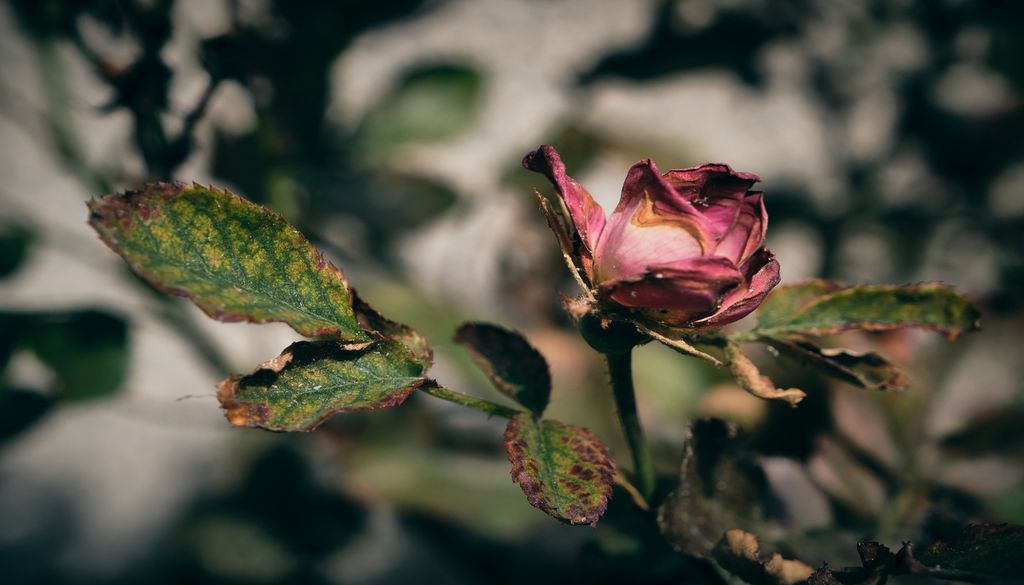
Summer can become a real test of endurance for plants in the garden or on the patio. High temperatures, intense sunlight and lack of moisture are the main causes of heat stress, which can lead to wilted leaves, stunted growth and even the death of particularly sensitive plants.
However, in many cases, it is possible to reverse the damage if you act quickly and provide the right care.
How to identify heat stress in plants
Before desperately trying to revive a plant, it is important to confirm that the problem is related to excessive heat.
The most common symptoms include drooping leaves during the hottest part of the day, dry or scorched edges, yellowing, premature loss of flowers or fruit and very slow growth.
It is important to distinguish heat stress from other causes, such as diseases or pests.
If the leaves regain some of their firmness by late afternoon, heat is likely the main cause. However, if they remain wilted even overnight, there may be a more serious problem with the root system or a prolonged lack of water.
Watering: key to recovery
One of the most common mistakes is frequently watering with small amounts of water. This method barely moistens the surface and encourages the development of shallow roots, which are much more vulnerable to heat.
The best approach is to water deeply in the early morning or after sunset, allowing the water to penetrate into the deeper layers of the soil. This encourages the roots to seek moisture deeper underground and helps the plant better withstand high temperatures.
Reduce stress with temporary shade
Newly planted plants or more delicate species benefit from additional protection during heat waves. Installing shade cloth, breathable fabric or even an umbrella during the hours of strongest sunlight can lower the temperature around the plant by several degrees.
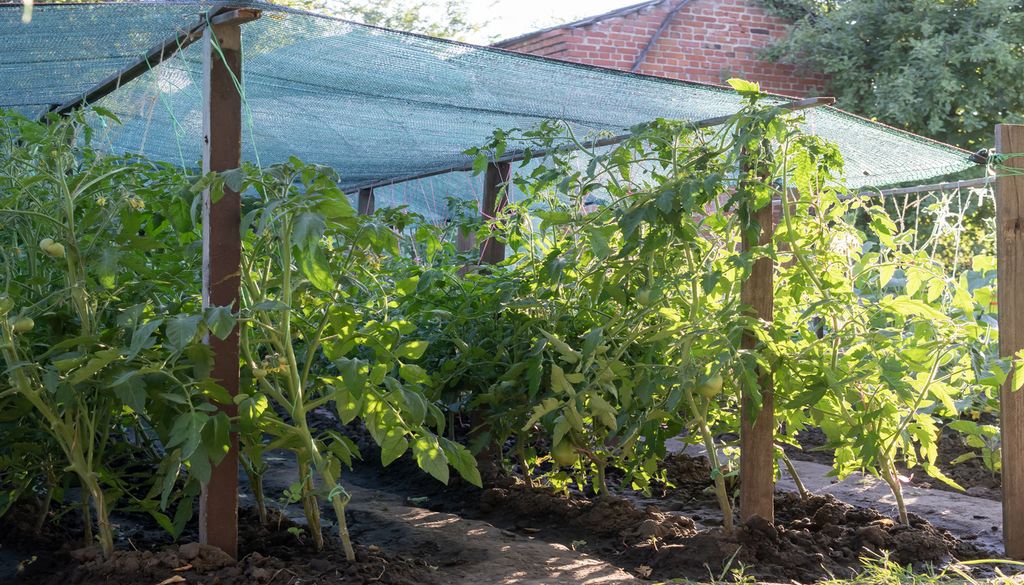
This trick is especially useful for hydrangeas, ferns and young tomato plants, or any species that has not yet developed a strong root system.
Mulch helps retain moisture
Covering the soil with organic materials such as pine bark, straw, shredded pruning debris or compost is one of the best investments you can make for your garden during the summer.
Mulching is highly effective because it reduces evaporation, keeps root temperatures more stable and limits the growth of weeds that compete for available water. As the mulch decomposes, it also improves soil structure and increases its ability to retain moisture.
Avoid heavy pruning and fertilizing
When a plant is under heat stress, any aggressive treatment can make the situation worse.
- Heavy pruning is not recommended during the peak of summer, as it removes some of the foliage that helps protect branches and trunks from the sun.
- Nitrogen-rich fertilizers should also be avoided, as they encourage new growth that is particularly vulnerable to high temperatures.
- It is better to wait until temperatures begin to drop before resuming your regular fertilizing routine.
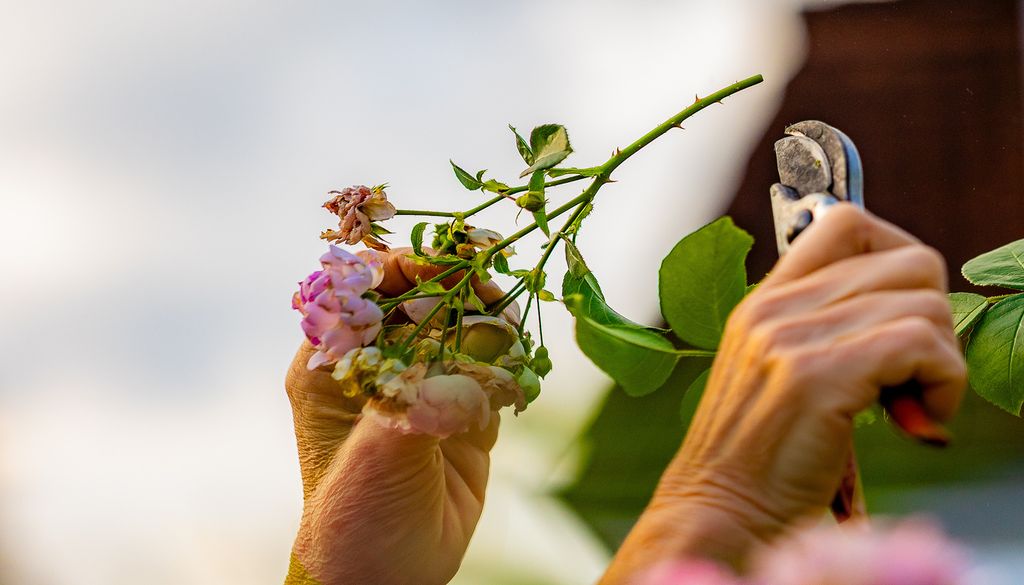
Remove only damaged parts, including completely dry or scorched leaves, to improve the plant's appearance and prevent unnecessary energy use.
With patience, many plants will produce new growth once weather conditions become more favorable.
Prevention always helps
Although it is possible to revive a stressed plant, it is always easier to prevent it from reaching a state of extreme stress. To do so, follow a few important recommendations.
- Choose species adapted to your local climate.
- Install efficient irrigation systems.
- Maintain a layer of mulch throughout the summer.
- Plan your planting carefully.