
Monalisa Plant: The Autumn Flower That Transforms The Garden With Lilac Tones
Autumn shouldn’t mean dull gardens; that’s why the Monalisa plant gifts us lilac flowers and foliage that keep color alive during the coolest months of the year.
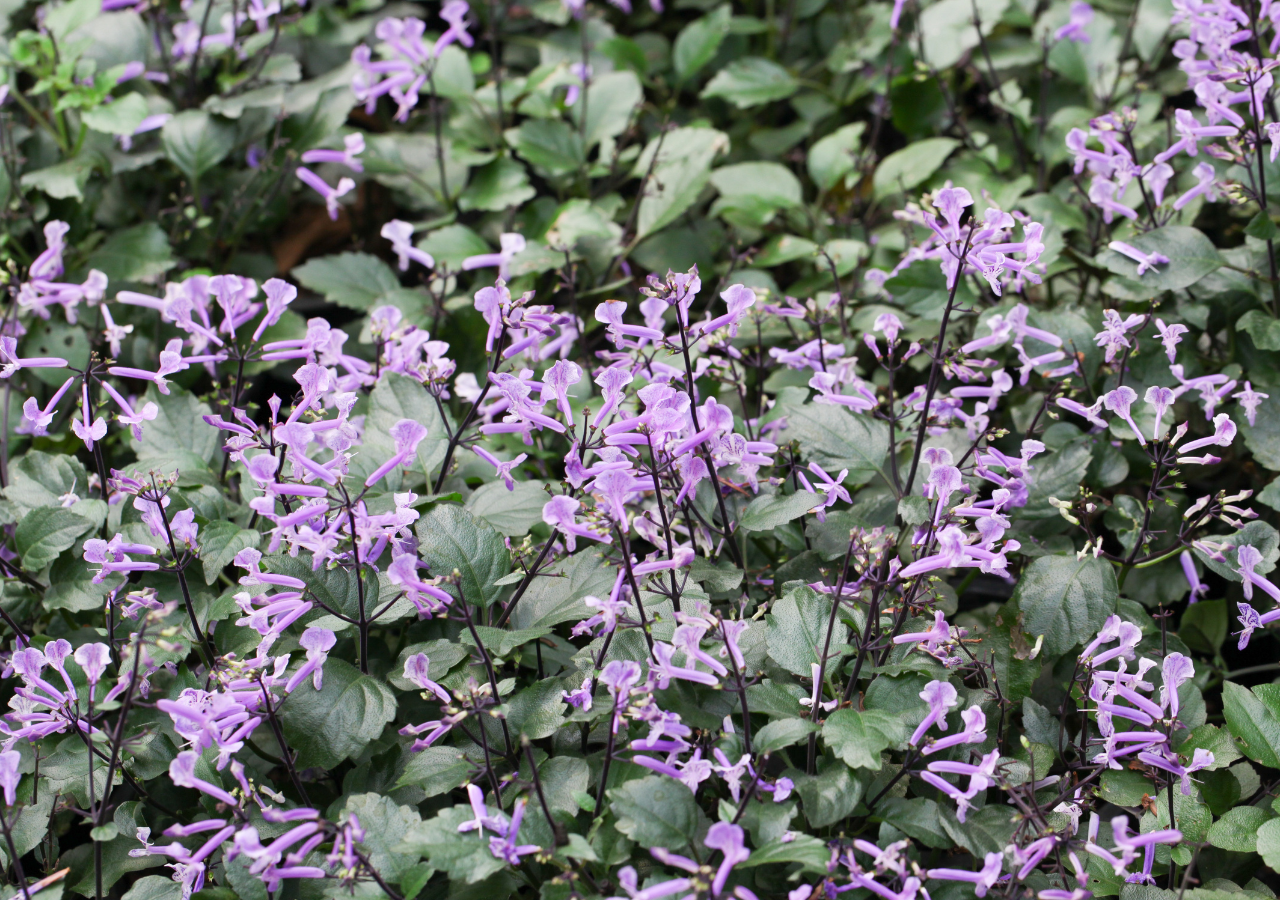
Autumn is associated with dry leaves, muted colors, and gardens that go on pause. However, not everything is like that; there are plants that seem designed to shine when others begin to rest. One of them is the Monalisa plant, a hybrid that has gained fame for its ability to bloom in autumn.
This plant is not a wild species found in nature, but a hybrid developed in South Africa in the 1990s. Its goal was clear: to offer a resilient, easy-to-grow option with plenty of beauty. The result was so successful that today it is distributed in nurseries around the world.
Its hardiness, low maintenance, and ability to adapt to urban gardens make it a favorite for those looking to beautify their garden as well as for larger landscaping projects. Moreover, it provides nectar in months when pollinators find few options, which makes it even more valuable.
The contrast between its lilac flowers and the dark green foliage with a purple underside gives it a unique appearance. Even without flowers, it remains an attractive ornamental plant thanks to the tone of its leaves, and when it blooms, it completely transforms the garden’s atmosphere. That’s why it’s worth knowing its characteristics.
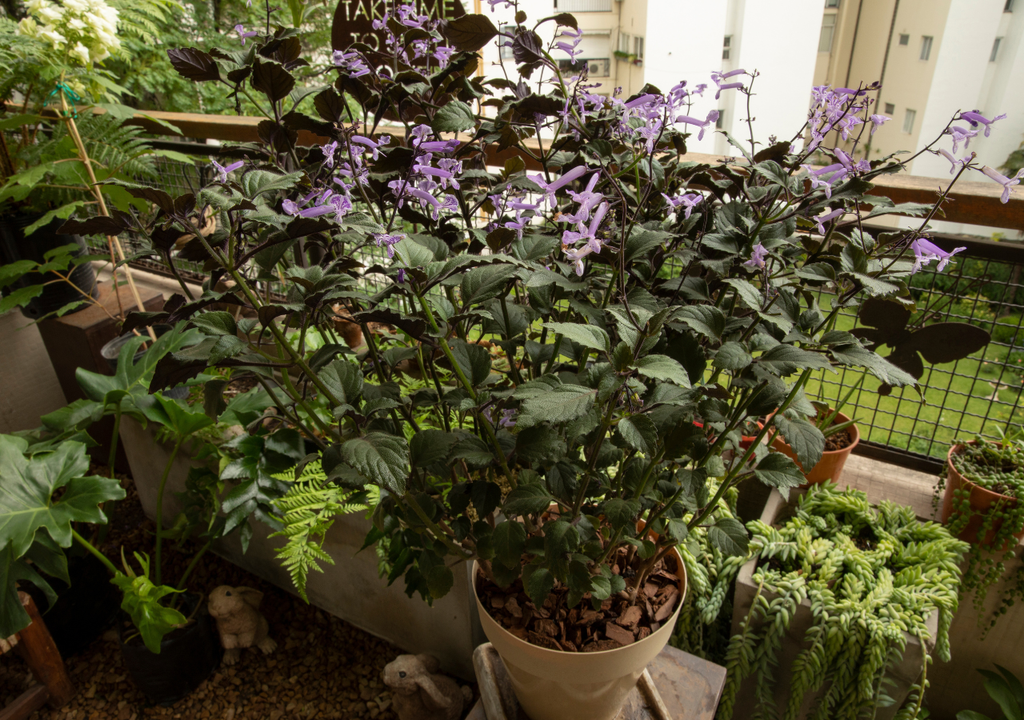
Its flowering cycle coincides with shorter days and mild temperatures, which makes it useful in urban climates where the contrast between seasons is marked. This very behavior ensures color in the landscape and ecological continuity for late pollinating insects.
Unique traits and secrets of the Monalisa plant
Plectranthus "Mona Lavender," known as the Monalisa plant, is a compact perennial hybrid that reaches between 40 and 60 centimeters in height and has sturdy stems, with ovate leaves, but what most distinguishes it is the purple underside of its leaves, in contrast with the dark green upper surface.
The lilac-colored flowers develop in terminal spikes that can hold dozens of blooms opening in succession; this pattern ensures that flowering lasts for several weeks, providing continuity of color to the landscape.
This hybrid does not produce viable seeds, so propagation is done using cuttings. For the urban gardener or the professional landscaper, this means uniform plants, with consistent quality and no surprises in growth or flowering.
The Monalisa performs best in bright partial shade, as it tolerates soft direct light but its leaves can be damaged under strong sun in warm climates. In temperate areas, a few hours of morning sun are beneficial to stimulate flowering.
As for the soil, it prefers light, well-drained substrates, with a recommended pH between 6.0 and 6.5. An ideal mix includes garden soil, compost, and a mineral component such as tezontle or perlite, which improves aeration and prevents waterlogging. Watering should be regular and moderate, keeping the substrate moist without saturating it.
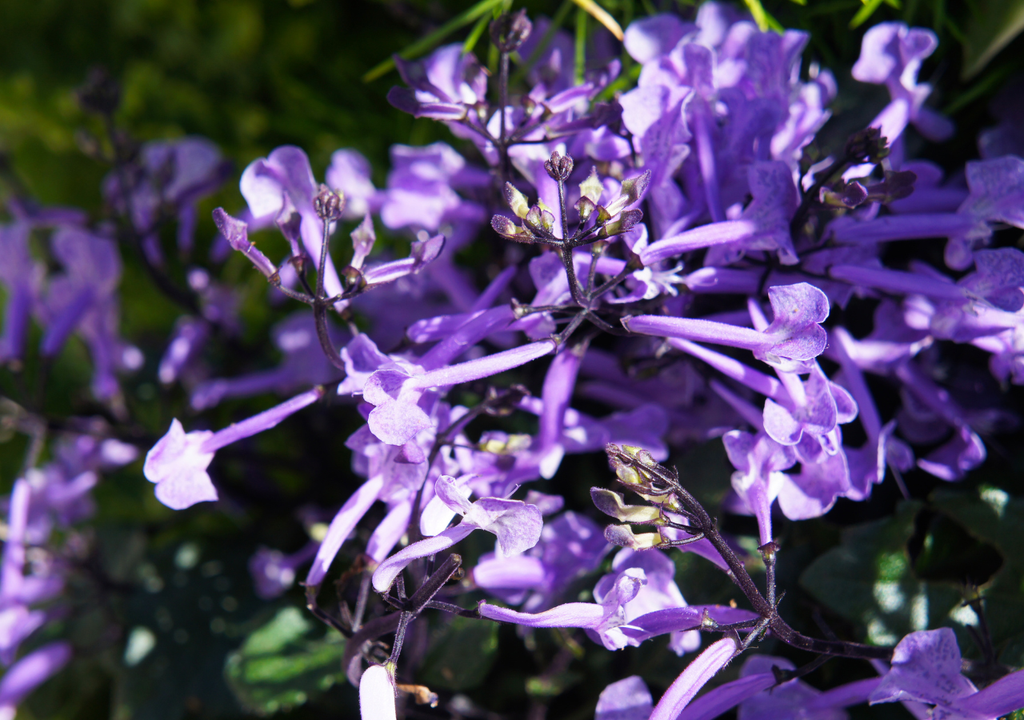
Nutrient management is just as important as watering, and although it does well with balanced liquid fertilizers, the key is to prioritize phosphorus and potassium over nitrogen. This formula encourages abundant flowering and more intense colors, whereas excess nitrogen produces lots of foliage and few flowers.
Care and cultivation secrets of the Monalisa plant
The Monalisa is notable for being low-maintenance. With light pruning you can control its size and give it a more compact shape, as well as encourage the appearance of lateral branches that increase flowering; and of course, removing spent flowers will considerably extend the season.
Propagation is just as practical and effective: simply cut semi-hardwood cuttings between 10 and 15 centimeters long, place them in a light substrate with good moisture, and keep them in mild conditions; in three to four weeks they will have roots and can be transplanted.
The Monalisa is not usually a problematic plant; it can be attacked by whiteflies or mites in very dry environments, but with proper management of relative humidity and simple applications of soapy water or neem extract it is enough to control them.
There are technical details that make a difference in its performance, such as applying mycorrhizae at transplanting—which improves phosphorus uptake and translates into more abundant, higher-quality flowering—and placing organic mulch on the surface of the substrate to help conserve moisture and stabilize temperature.
Indoors, the Monalisa does best near east-facing windows, where it receives gentle morning light without the risk of leaf burn, and outdoors, the ideal location is in areas with partial shade provided by shrubs or trees, which allows it to receive sufficient brightness.
The Monalisa plant is a hybrid designed to fill a seasonal gap in gardens, bringing color and vitality precisely in the months when many species reduce their activity. Its easy care, proven hardiness, and striking visual results make it an ideal species for autumn.