
Natural air conditioning: The plants that can help keep your home cooler and improve its thermal insulation
Plants can be the perfect allies against the heat. Beyond adding beauty to your home, they can help cool indoor spaces, provide shade, and improve thermal comfort throughout the summer.
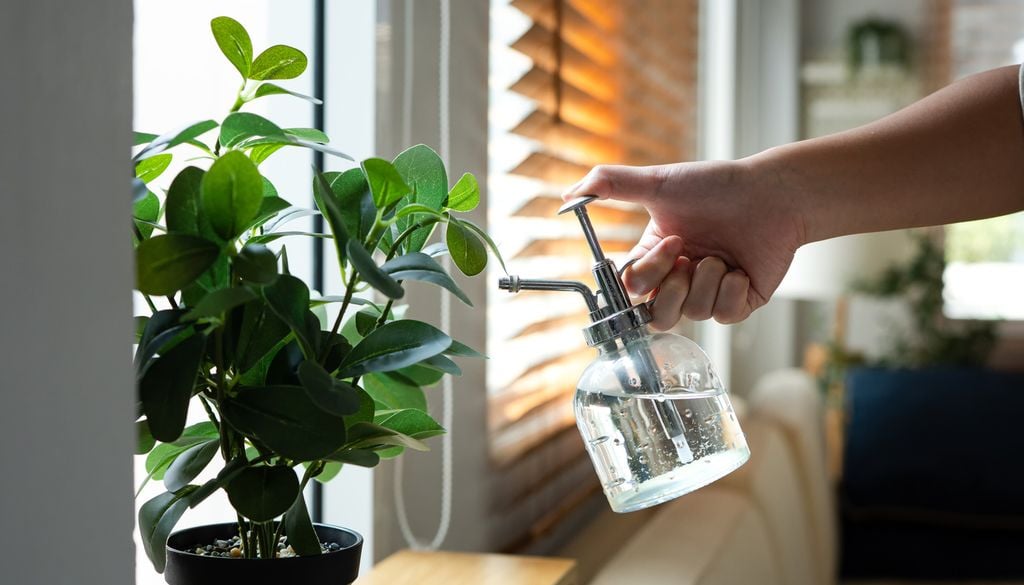
When summer arrives, keeping your home cool becomes a priority. Beyond conventional air conditioning, there are several natural solutions that can help improve indoor comfort.
Among them, plants play a particularly valuable role thanks to the shade, moisture, and, above all, evapotranspiration—a natural process that can make the air around us feel cooler.
Vegetation won't cool a house the way an air conditioner does, but certain plant species can help reduce the sensation of heat and create a more pleasant microclimate, especially when combined with proper orientation, ventilation, and insulation.
Evapotranspiration: nature's cooling system
The key is evapotranspiration, a process that combines the evaporation of water from the soil or growing medium with the transpiration of plants through their leaves.
As plants absorb water through their roots, a significant portion is released back into the atmosphere as water vapor through tiny pores called stomata.
This mechanism is similar to what happens when sweat evaporates from our skin. As a result, healthy, well-watered vegetation can change the conditions of the air immediately around it.
However, not all plants cool the air equally. The rate of evapotranspiration depends on factors such as the species, plant size, leaf area, water availability, temperature, solar radiation, wind, and humidity.
Which plants can help cool your home?
Fast-growing species with abundant foliage and high water needs during summer tend to have higher evapotranspiration rates, making them more effective at naturally cooling their surroundings.
Ferns
Ferns can increase humidity in bright, protected indoor spaces, while other leafy ornamental plants help create a cooler atmosphere around them.
Ivy, Virginia creeper, and certain jasmine varieties
Ivy, Virginia creeper, and some types of jasmine play an important role around the home because they create natural shade over walls and windows.
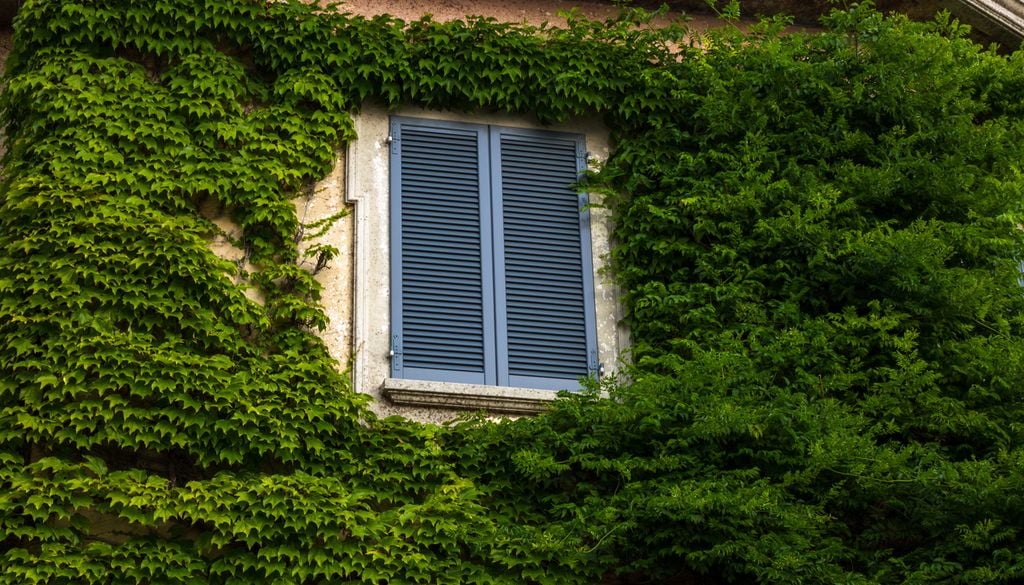
This layer of vegetation acts as a natural thermal barrier, significantly reducing heat entering the home during the summer.
Trees and shrubs
Trees and shrubs have an even greater ability to modify the local microclimate. A dense tree canopy blocks part of the Sun's radiation before it reaches walls, windows, or roofs. At the same time, transpiration releases moisture into the atmosphere and helps regulate heat exchange.
Shade and insulation: a winning combination
The cooling benefits of plants aren't limited to evapotranspiration. When strategically placed, vegetation also serves as an effective natural shield against direct solar radiation.
A facade partially covered with vegetation receives less direct sunlight, while a tree planted in front of a window can significantly reduce heat entering the home during the hottest part of the day.
Indoor plants: can they really lower the temperature?
Indoors, it's important to keep expectations realistic. A single potted plant can slightly increase local humidity and create a subtle feeling of freshness, which can certainly be pleasant, but it cannot replace an air-conditioning system or lower a home's temperature by several degrees on its own.
The effect becomes much more noticeable when vegetation is placed on patios, terraces, balconies, or in gardens, where plants have greater leaf area and can directly block incoming sunlight.
It's also worth noting that too many plants in a poorly ventilated room can raise humidity levels excessively, especially where airflow is limited. Finding the right balance between vegetation, ventilation, and watering is essential.
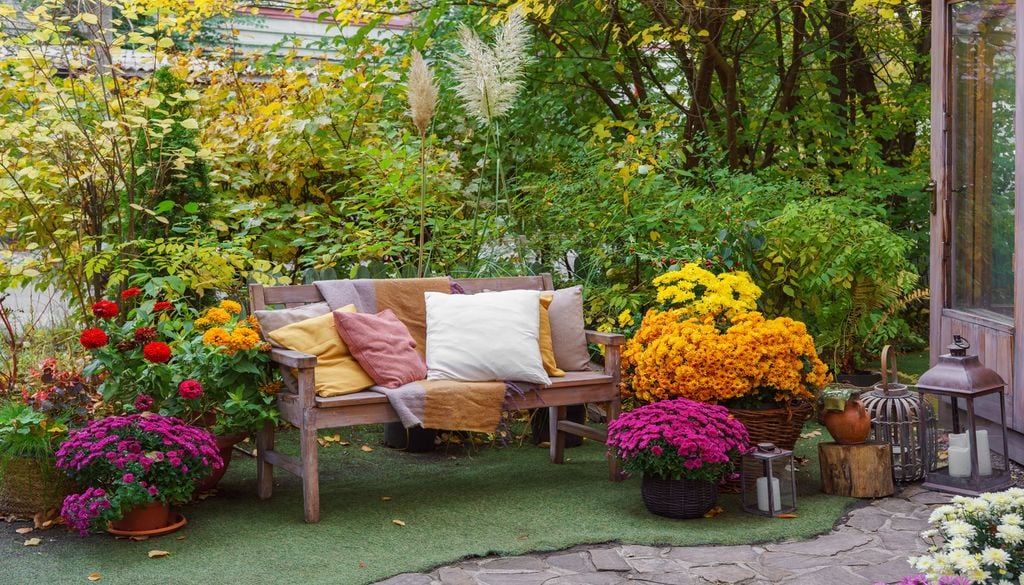
A cooler home with natural solutions
Plants can become a valuable complement in the fight against summer heat. Their ability to cool through evapotranspiration, provide shade, and improve the surrounding microclimate can reduce the thermal load on a home and increase comfort during the warmest months.
Choosing species suited to your local climate is essential. So is placing them where they'll have the greatest impact.
- Trees to shade walls and windows.
- Climbing plants to cool exterior walls.
- Leafy plants for patios, balconies, and terraces.
The real "natural air conditioner" isn't a single plant. It's a thoughtfully designed green space that takes full advantage of the natural cooling processes of vegetation.