
Beautiful and resilient: the succulent that grows like a shrub, changes color, and dazzles with its flowers
Its rosettes shift from green to black depending on the light and produce beautiful yellow flowers. Learn about its growth, care, and how to propagate it successfully at home.
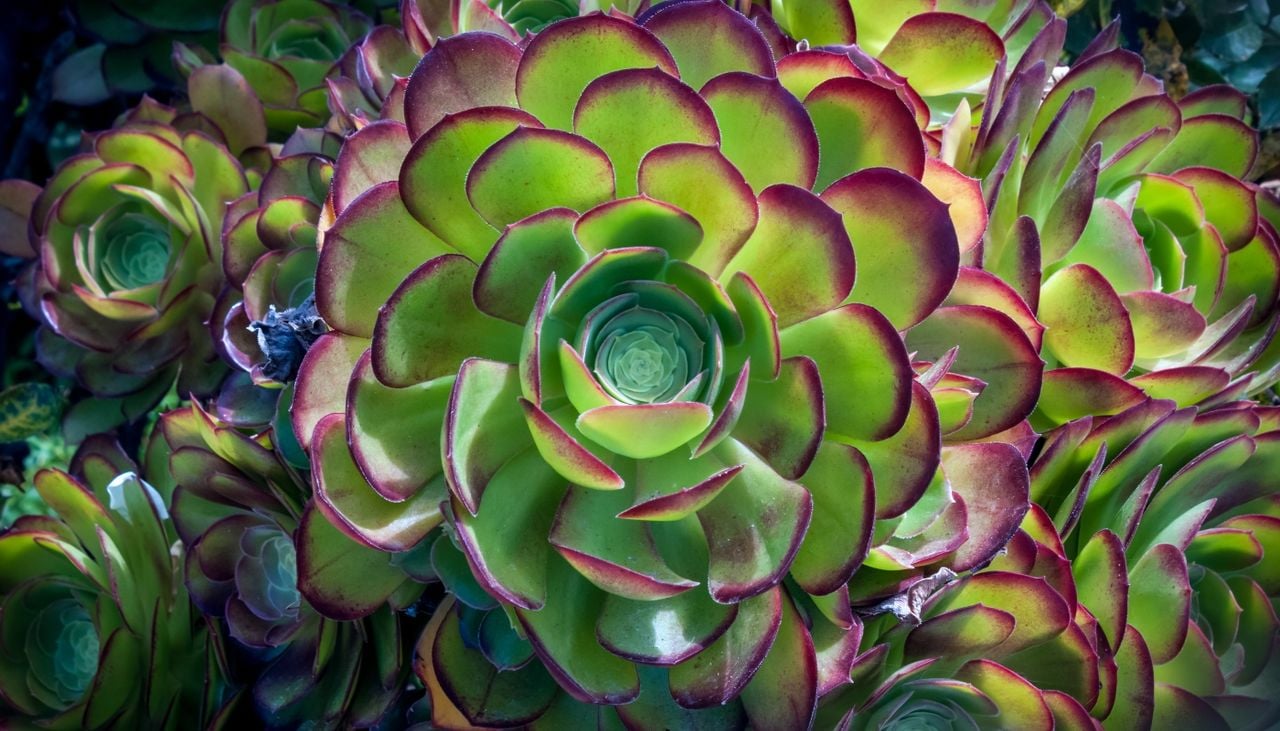
With rosettes that shift between shades of green, purple, and almost black, this sculptural succulent is sure to turn heads. It is Aeonium arboreum, a member of the Crassulaceae family, a group of plants capable of storing water in their fleshy leaves.
Native to the Canary Islands and southwestern Morocco, it develops branches and a woody base as it grows, giving it the appearance of a small tree. It can reach more than three feet in height, spread its rosettes in different directions, and produce a captivating display of flowers.
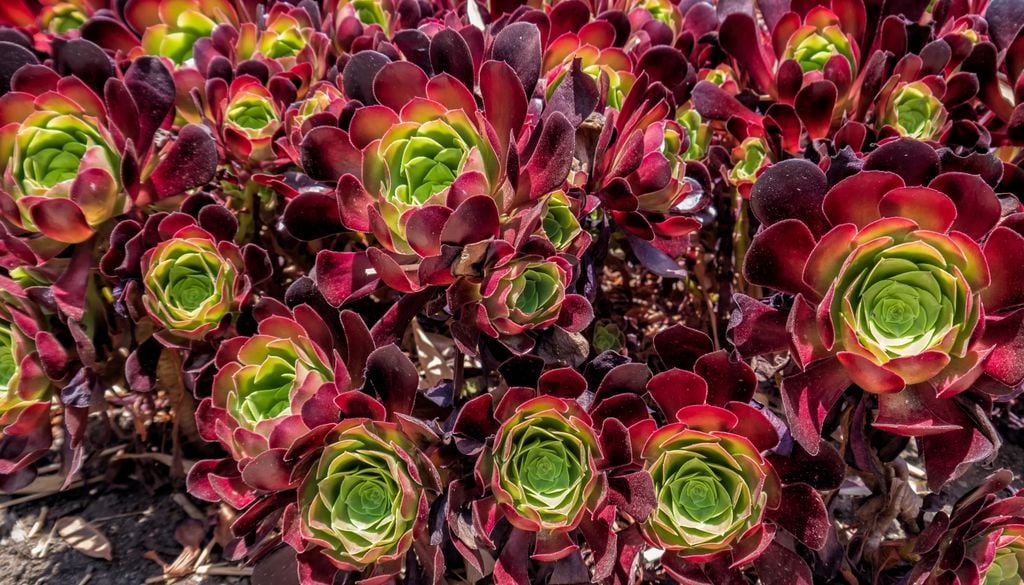
It is also known as tree aeonium or tree houseleek. Its name comes from the Greek word aionios, meaning "eternal" or "long-lasting," referring to its perennial nature and its ability to remain green throughout the year.
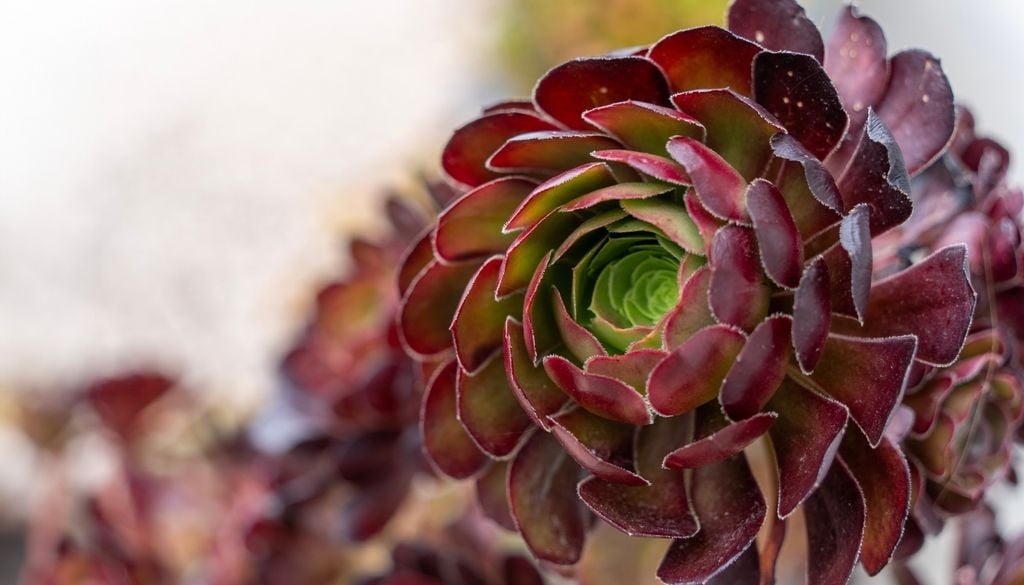
However, its color is not permanent. The same plant can change color dynamically depending on the amount of light it receives. When exposed to direct sunlight in fall or winter, it produces pigments that darken its leaves to shades of purple and burgundy.
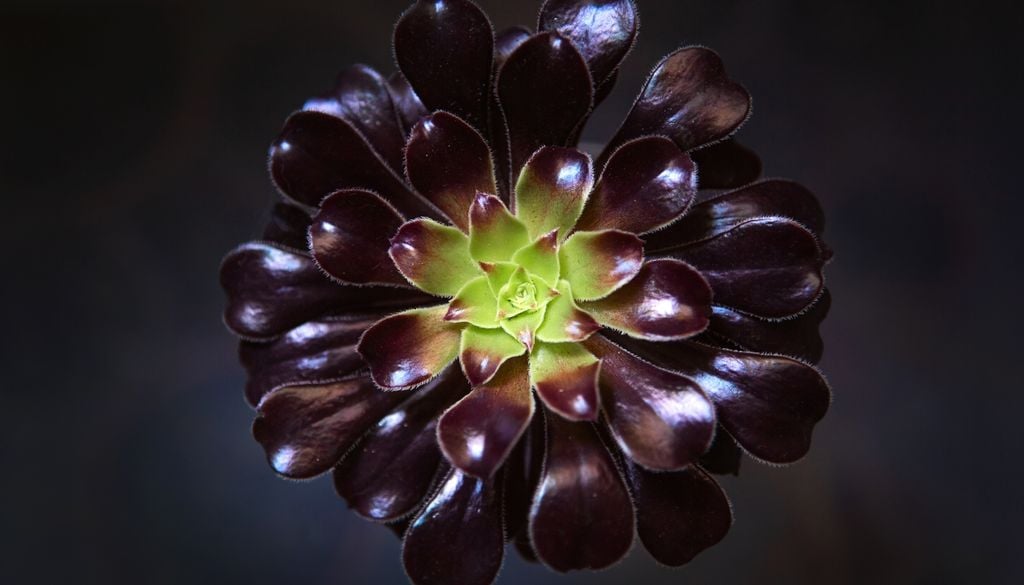
If you move it into the shade during summer, that same rosette will gradually lighten from the center, turning green within a few weeks. You may even notice a distinctive color gradient: the center of the rosette grows green while the outer leaves exposed to sunlight turn darker.
Fast growth: how long does it take to become a tree?
One of the greatest advantages of tree aeonium is that you don't have to wait years to see results. It is a fast-growing succulent compared with other species in its family.
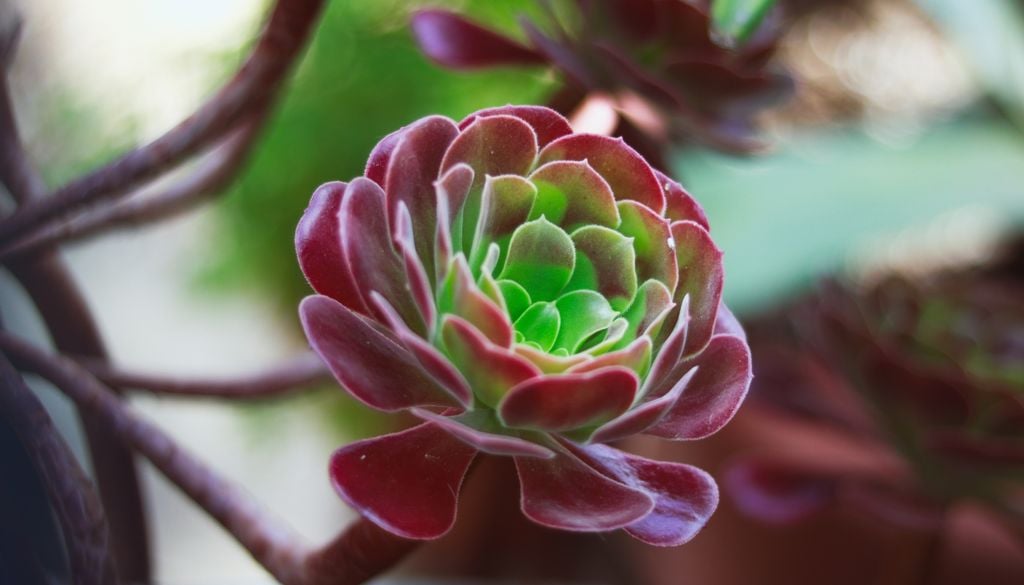
Under favorable conditions, the plant can grow between 8 and 12 inches (20 to 30 centimeters) taller each growing season. This means a small cutting planted in a pot can develop into an impressive woody shrub nearly three feet tall in just two or three years.
Yellow flowers that mark the end of a cycle
Although its rosettes are beautiful year-round, flowering brings an entirely different spectacle. During the cooler months, a cone-shaped or pyramidal flower cluster emerges, covered in yellow blossoms that contrast with the dark foliage.
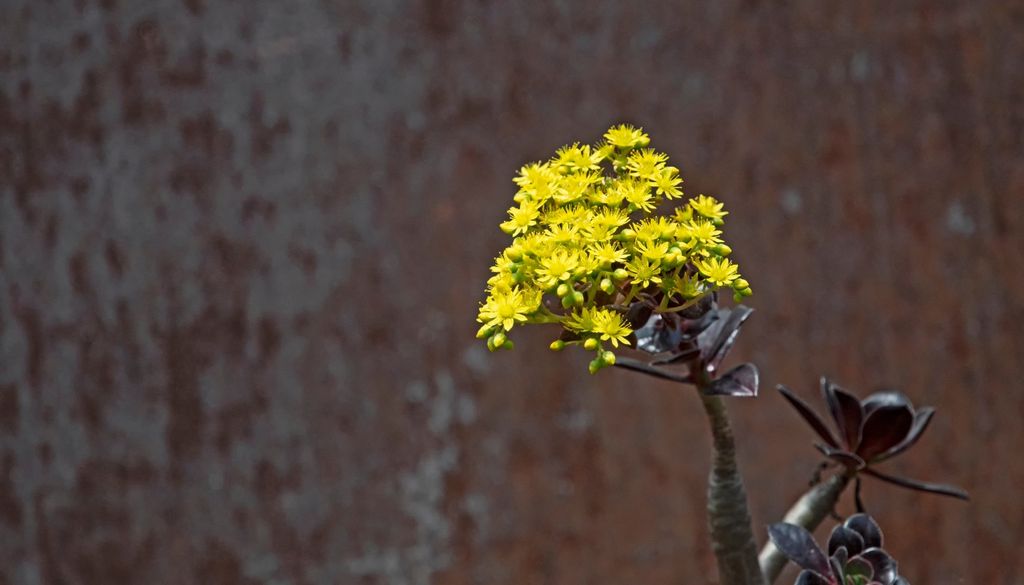
Something interesting happens during this process: the rosette that flowers dies after completing its cycle because it directs all its energy toward producing flowers. However, if the plant has several stems, the remaining rosettes continue growing normally, allowing the plant to survive.
Light, watering, and the ideal location
To enjoy its most vibrant colors, the plant needs plenty of light. It tolerates direct sunlight, but it's best to protect it during hot summer afternoons to prevent sunburn. Indoors, it should be placed very close to a sunny window to maintain its compact shape.
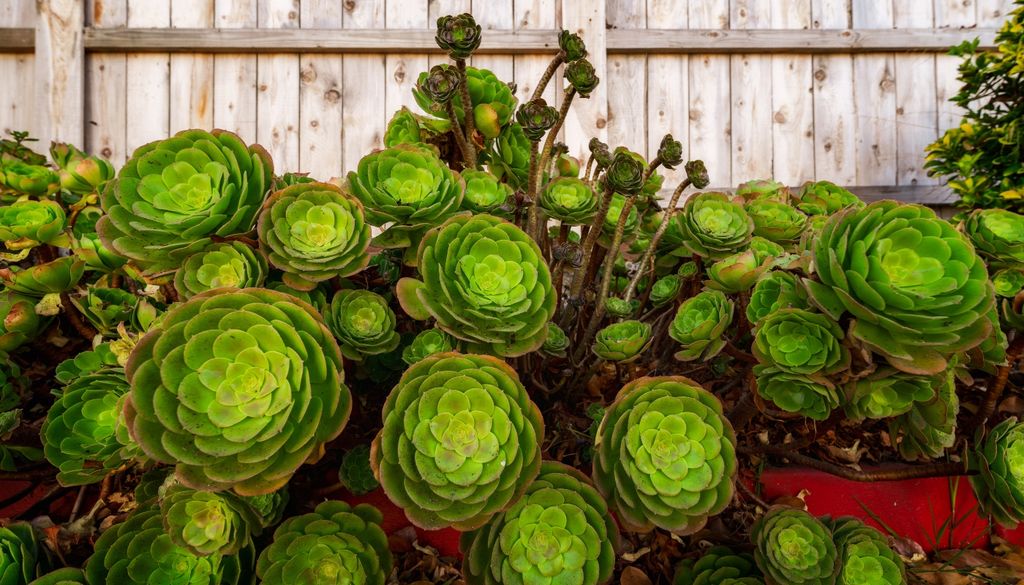
Watering requires some caution. Although it stores water in its leaves, excess moisture can cause its roots to rot. Ideally, use a loose, well-draining potting mix designed for succulents and water thoroughly only when the soil has dried out completely.
Its active growing season coincides with the cooler months. During summer, it enters a dormant period and requires much less frequent watering. It also cannot tolerate severe frost, so it should be protected during winter.
How to propagate it and how long cuttings take to root
Propagating this succulent is extremely simple. All you need to do is cut a healthy stem with its rosette using clean pruning shears. Leave the cutting in a shaded area for three or four days to allow the cut end to dry and form a callus before planting.
Once placed in a pot with succulent potting mix, the cutting can develop its first roots in just two or three weeks. Within a couple of months, new leaves will begin appearing in the center of the rosette.
If you remove the top of a main stem, the trunk remaining in the pot responds vigorously. Within two or three months, it will produce several new rosettes around the cut, making the plant fuller and denser.
If you love succulents and prefer hardy plants that don't require much attention, tree aeonium is a perfect choice.