
The autumn flower that looks like a daisy and thrives in the cold: how to grow it in a pot
With flowers that look like daisies, this plant can withstand the cool nights of autumn and winter while also bringing colour to any corner of your home.
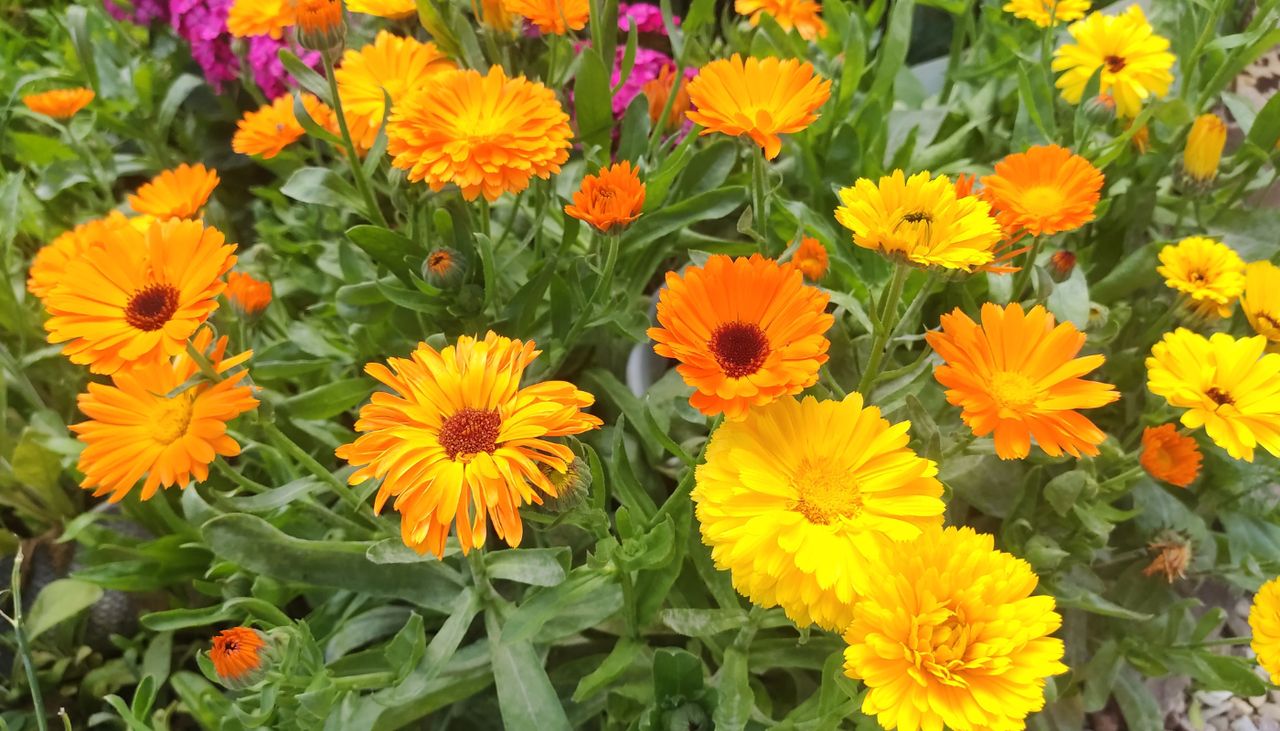
When temperatures begin to drop, many flowering plants lose their vigour and stop producing new buds. However, there is one species that welcomes the arrival of cooler days and can keep gardens full of colour throughout the season.
This is calendula (Calendula officinalis), a flower also known by some plant nurseries as pot marigold. It belongs to the Asteraceae family and is characterised by its elongated petals in shades of yellow and orange, which surround a slightly darker centre.
As well as being an attractive ornamental flower, it also offers a great advantage for those with limited space at home: this plant grows perfectly well in a pot, requires minimal care and can withstand cold nights that would be challenging for many summer flowers.
A flower that enjoys cooler weather and needs little space
Unlike other plants, calendula adapts well to moderate temperatures and can grow successfully between 10 and 25°C. It can even survive light frosts close to -4°C, provided they do not last too long. Intense heat, on the other hand, can reduce flowering, particularly when temperatures exceed 29°C.
For this reason, in areas with mild winters, it is possible to sow calendula in autumn and enjoy its flowers throughout winter and spring. However, in places where more severe frosts occur, it is advisable to sow earlier, towards the end of summer, or postpone sowing until spring.
To grow it successfully, all you need to do is choose a pot measuring 20 to 25 centimetres in diameter and depth, with drainage holes large enough to allow excess water to escape. If you want to grow several plants, use a wider planter and leave approximately 20 to 30 centimetres between each plant.
The growing medium should be light, fertile and allow water to drain away well when watering. You can use a commercial potting mix and add 20% perlite to improve aeration. Do not forget that adding a little mature compost will help provide the plant with additional nutrients during its first few weeks.
If you are thinking of sowing it, you should know that this is also very straightforward. All you need to do is place the seeds directly into the container, burying them 1 centimetre deep and keeping the surface slightly moist. Under ideal conditions, they will germinate in approximately 7 to 14 days.
How to keep it flowering for a long time
Where you place this plant is one of the most important considerations. Ideally, it should receive at least six hours of direct sunlight each day, although in warmer regions it will appreciate some shade during the hottest part of the day.
When it comes to watering, it needs moderate moisture but cannot tolerate waterlogged soil. During the cooler months, it will need less water than in summer, so avoid sticking to an overly rigid watering schedule.
It does not need large amounts of fertiliser either. If you used a good growing medium containing compost, it will probably have all the nutrients it needs during its first few weeks. When you notice that growth is slowing, you can apply a diluted, balanced fertiliser every three or four weeks.
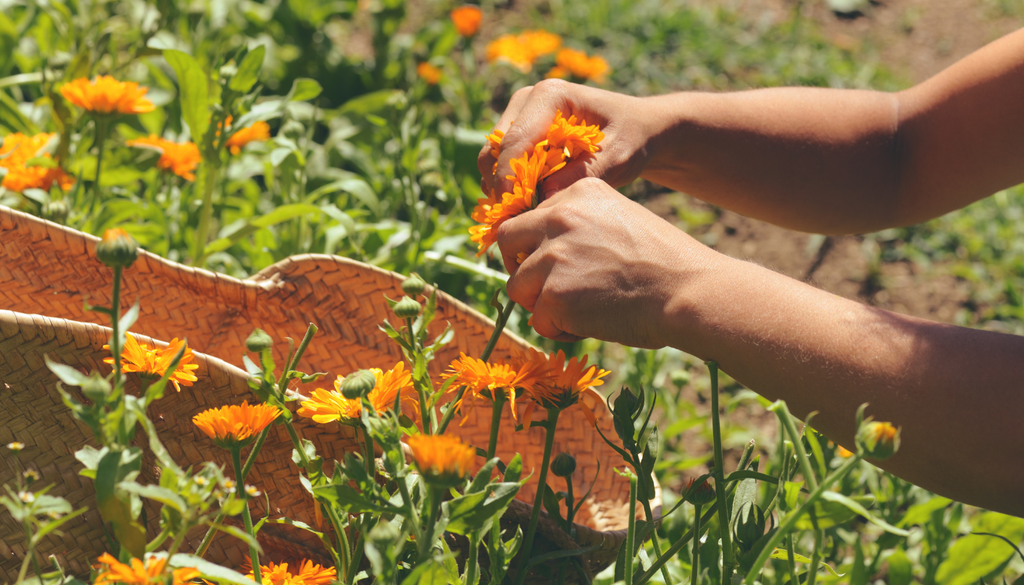
A little routine maintenance also makes a difference. Remove faded flowers to encourage the formation of new buds, and when the plants are young, you can pinch out some stems to achieve a more compact shape.
Common problems include aphids and powdery mildew, a fungus that produces whitish patches on the leaves. Good ventilation, watering directly onto the growing medium and removing affected parts help to prevent these problems. If aphids appear, you can wash them off with water or use potassium soap, following the product instructions.
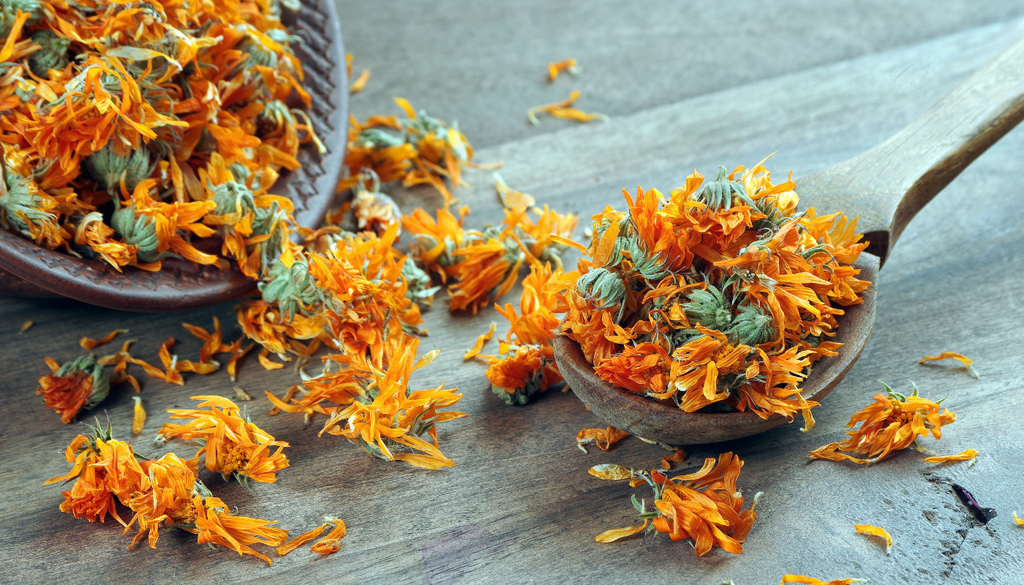
Its flowers also attract pollinating insects, and the petals are edible, provided they have not been treated with chemicals that make them unsuitable for consumption. They can be used to decorate salads or add colour to certain dishes. They also have a long history of use in cosmetic products, although caution is needed when considering their potential medicinal applications.
If you are looking for a plant to bring colour to your own little paradise during the cooler months, calendula is well worth trying. With enough sunlight, a suitable pot and moderate watering, you can enjoy new flowers for weeks without having to worry too much about their care.