
Natural tips for growing beautiful tomatoes and squash in your vegetable garden
Gardening is a wonderful escape. But when insects or fungal diseases appear, it can quickly become disappointing. Here are some tips for tackling these common problems naturally.
The return of more seasonable weather means it is time to get back to work in the garden after a period of intense heat and even heatwave conditions. Here are some tips to help you successfully grow tomatoes and squash during the summer season.
Water properly
Good watering does not necessarily mean watering every day. If you water your crops too frequently, they will prioritise developing roots near the surface. As a result, they become more vulnerable to dry weather, and even a short period without watering can quickly weaken the plants.
Instead, water less frequently so that plants are encouraged to send their roots deeper in search of moisture. Of course, with newly planted crops and during periods of intense heat, watering every four to five days may be necessary.

It is worth noting that if you see leaves wilting during the middle of the day despite adequate watering, this may simply be a defence mechanism that allows the plant to conserve water. The leaves will usually regain their vigour once temperatures ease, often later in the evening.
Applying a mulch of grass clippings or straw is an excellent way to retain moisture, especially if you live in a region where summer rainfall is limited. The trick is to apply a generous layer, around 5–10 cm thick, while ensuring the mulch does not touch the base of the plants, as this could cause them to rot.
Natural treatments
Have you noticed aphids or other insects damaging your crops? One solution is to use rapeseed oil. Yes, really. More specifically, treatment should be carried out using rapeseed oil, preferably organic.
The recommended proportions are one part oil to ten parts water. Adding a drop of black soap (100% pure black soap) will help the mixture adhere better to the plants. Shake everything thoroughly in a spray bottle and apply it to the stems and leaves. Naturally, spraying should be avoided on the flowers of your fruit and vegetable crops. Apply the treatment at dusk and repeat after around ten days if necessary.
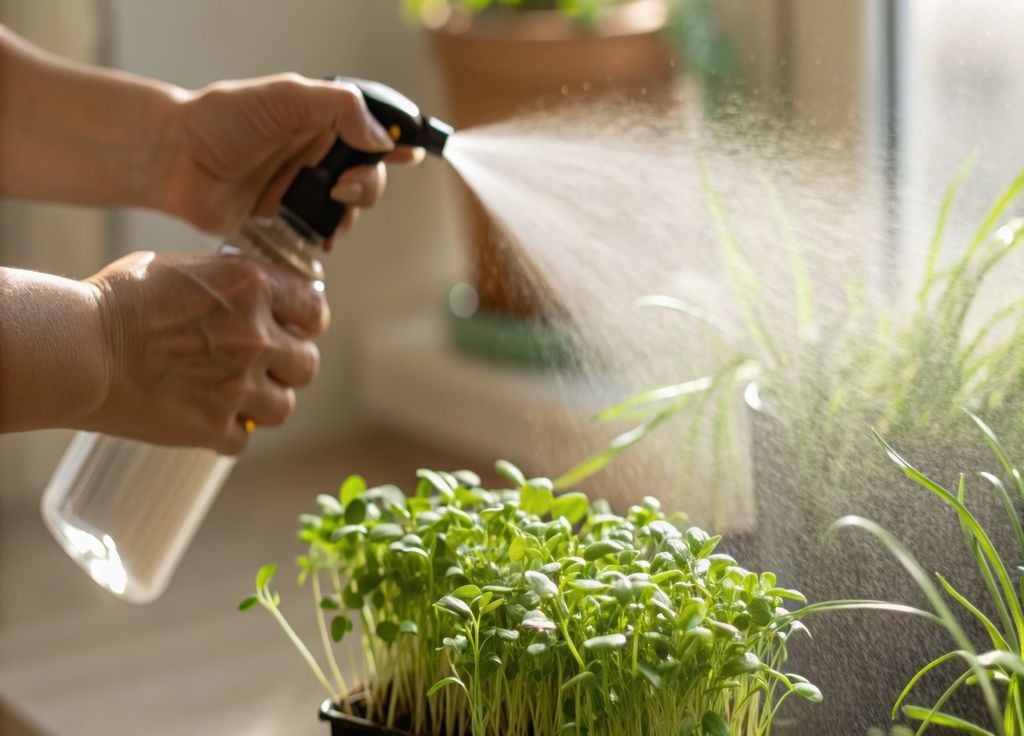
If you notice white patches on your squash plants, it may be powdery mildew. To treat it effectively as soon as the first signs appear, use milk sprayed directly onto the affected areas.
Ideally, fermented milk (for example, milk past its use-by date) will be even more effective. Again, a dilution ratio of one part milk to ten parts water is generally sufficient. Spraying at dusk will allow this natural treatment to work effectively without damaging your plants.
Diversity matters
If your vegetable garden contains a wide variety of plants, pest pressure is often lower. Diversity helps limit potential aphid infestations, as aphids will favour some crops over others.
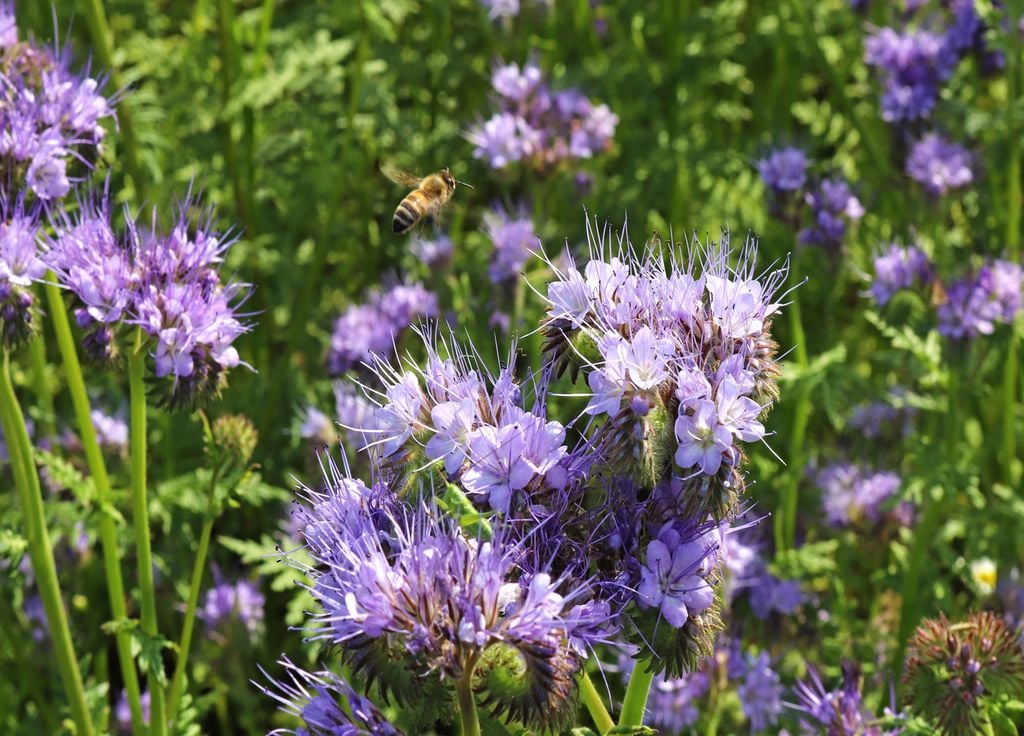
There is still time to sow flowers close to your vegetables. These flowers will attract pollinators as well as beneficial insects, some of which will happily feast on aphids.
Happy gardening!