
November, the perfect time: 5 plants you can propagate from cuttings and fill your garden with greenery
Spring brings the best conditions for growing new plants from young stems. With clean scissors, some pots, and a little patience, you can propagate ornamental and aromatic plants without spending a penny.
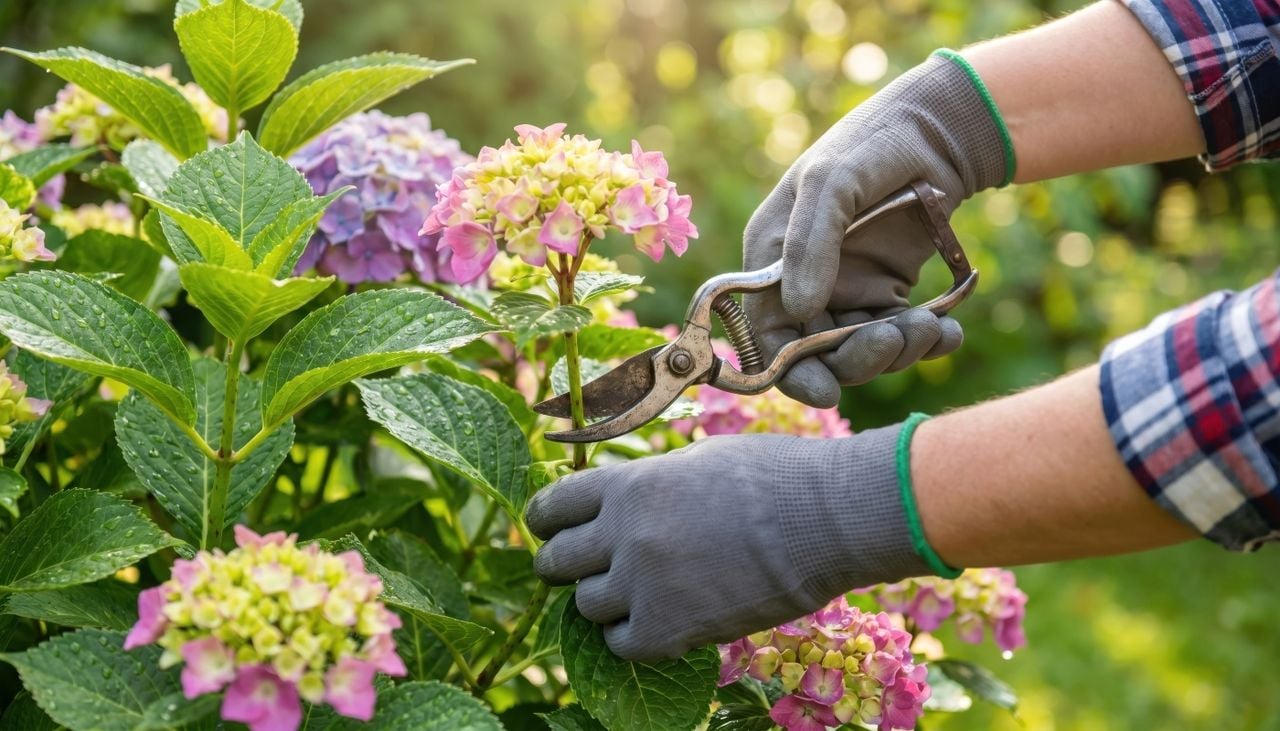
In November, spring truly arrives: plants grow, new shoots appear, and many species develop tender stems that can become new plants. It's a great time to propagate some of our favorites from cuttings.
The technique is simple. It consists of cutting a part of the mother plant and placing it in suitable conditions so that it develops its own roots. Unlike sowing from seed, this method ensures that the new plant has exactly the same characteristics as the original.
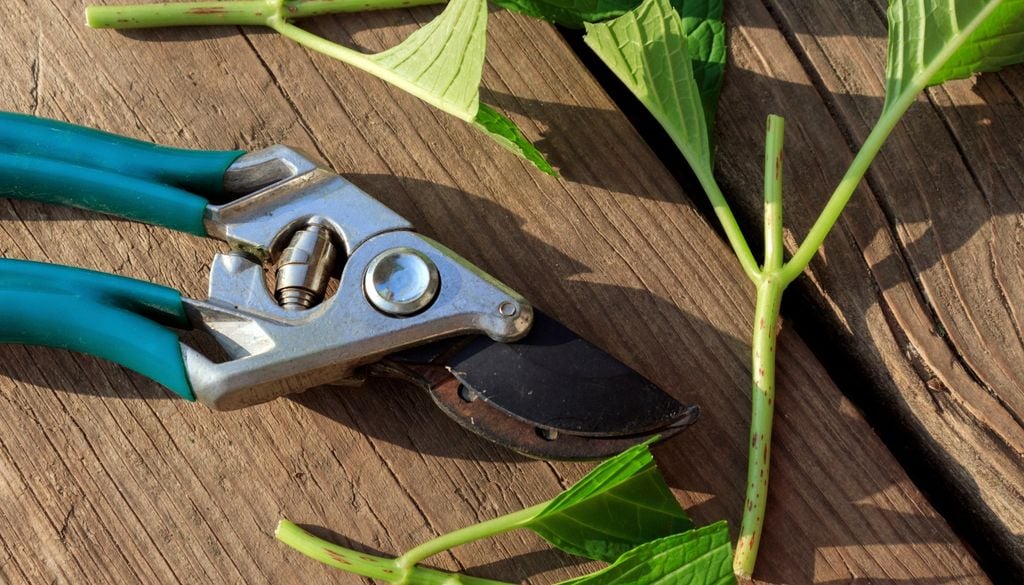
This time of year is especially favorable for softwood cuttings, taken from flexible, relatively unhardened shoots. Here are five species you can propagate this month in Argentina:
1. Hydrangea
It is a major feature of gardens because of its inflorescences and colors, which vary according to the species and the acidity of the soil.
Choose a healthy branch without flowers and cut a segment about 10 to 15 centimeters long with two or three nodes. Remove the lower leaves and keep only a couple at the tip. If they are very large, cut them in half to prevent the cutting from losing too much moisture.
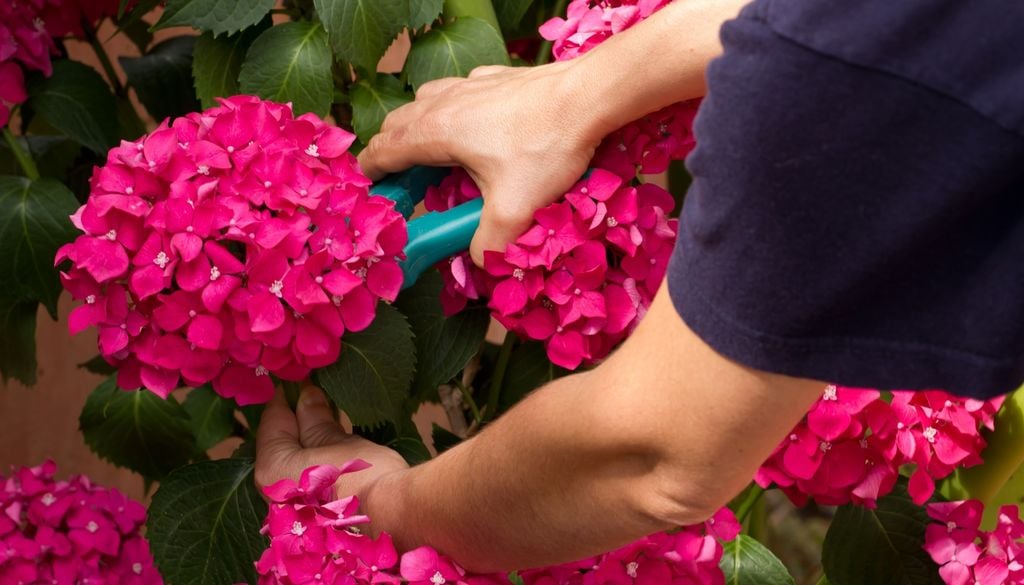
Plant it in a pot with light, moist potting mix; make sure to bury at least one node. To encourage rooting, maintain high humidity with a ventilated, transparent cover and place it in a bright location, out of direct sunlight.
2. Malvón
Noble, hardy, and generous with its flowers, the geranium is one of the easiest plants to propagate at home. Its cuttings allow you to renew existing plants or fill flowerbeds without buying seedlings.
Select a young, healthy stem without flowers and cut off about 12 centimeters. Remove the leaves from the base and let the cut dry in the air for a few hours to allow it to heal.
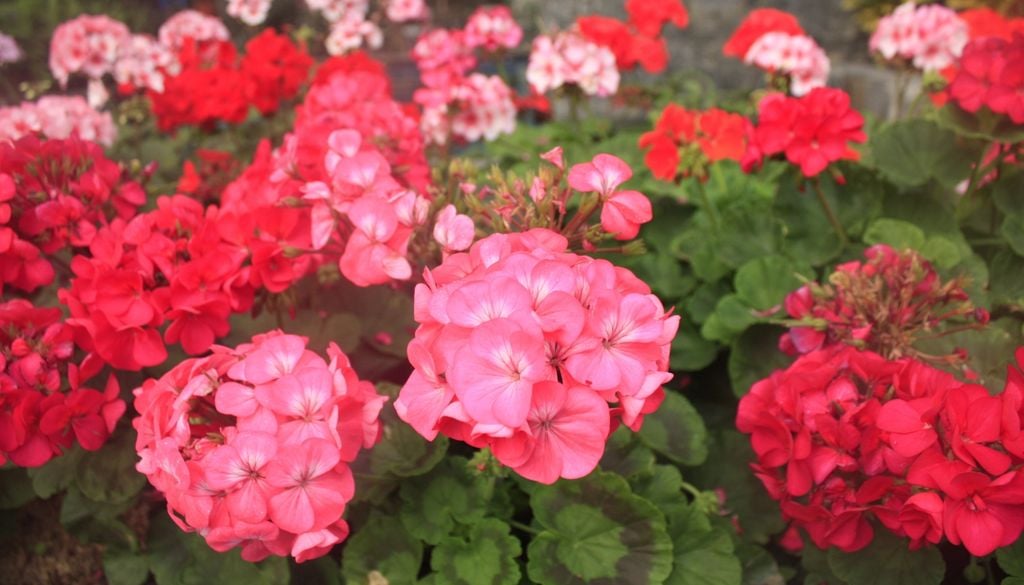
Next, place the cutting in a pot with well-aerated , barely moist potting mix. Unlike hydrangeas, geraniums don't tolerate excess moisture, as it can cause the stem to rot. Keep it in bright light, but protect it from strong sunlight while it roots.
3. Lavender
Spring cuttings allow for the successful propagation of this aromatic plant, so prized for its perfume and violet spikes.
Choose young stems that have already begun to harden but still retain some flexibility. Cut segments between 10 and 15 centimeters long, remove the leaves from the lower half, and bury the base in a light, well-draining substrate.
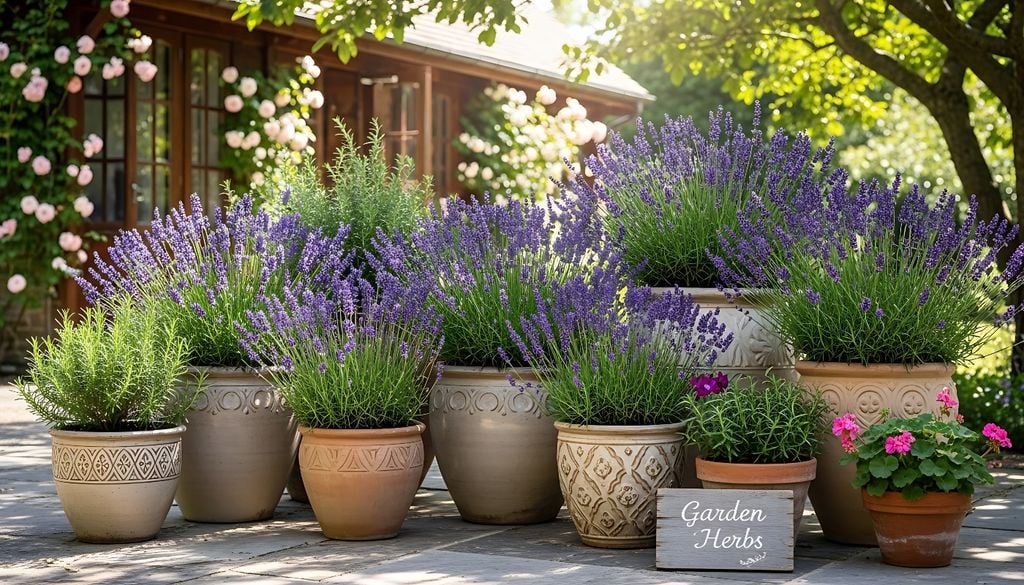
Keep the soil slightly moist, but not waterlogged. Lavender requires less water than other species on this list, so it's crucial to avoid overwatering during the process.
4. Sage
In addition to their usefulness in the kitchen, sage leaves and flowers add texture and color to the garden.
To propagate it, cut new shoots about 10 to 15 centimeters long and remove the leaves from the part that will go underground. Leave two or three leaves at the top and place the cutting in a pot with moist, well-aerated potting mix.
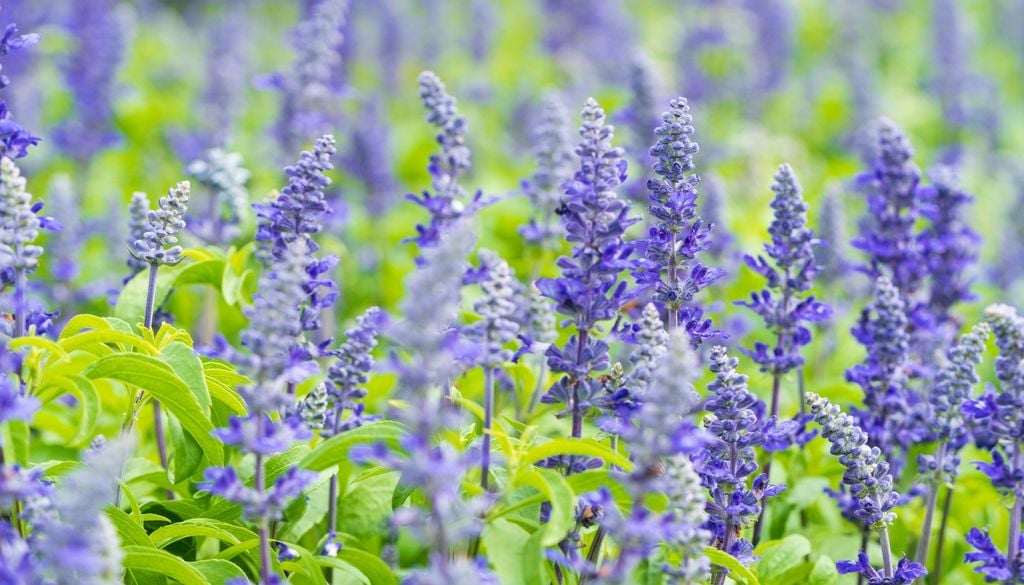
For the first few weeks, it needs indirect light and moderate humidity. Once it develops roots and starts to grow, you can gradually acclimate it to full sun.
5. Romero
Although it grows more slowly, rosemary can also be propagated by cuttings. In November, you can take advantage of both its tender shoots and the semi-hardwood stems , those that have already begun to harden.
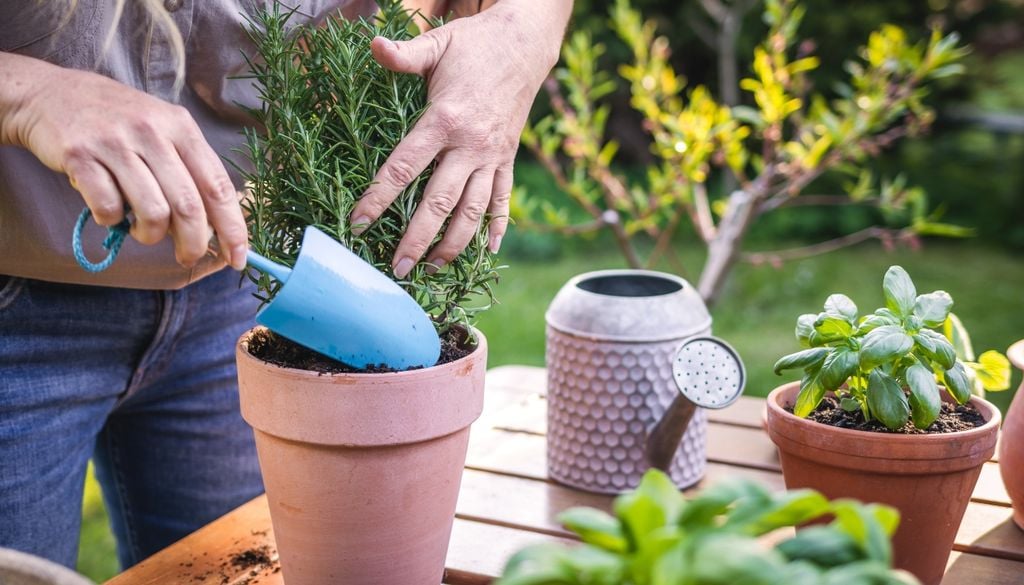
Choose healthy branches about 12 to 15 centimeters long, remove the lower leaves, and bury the base in a light , preferably sandy, substrate. Water moderately and place the pot in a bright location, away from direct sunlight.
Rosemary requires patience: it usually takes several weeks to generate enough roots to thrive on its own.
A general tip: always use disinfected pruning shears, choose healthy mother plants , and prevent the cuttings from drying out before planting. Since not all cuttings thrive, it's a good idea to prepare several of each species. When you notice new shoots and strong roots, they'll be ready to be transplanted into individual pots or planted in the garden.