
Plants to invigorate your garden with colour and structure this autumn
Late-season colourful delights and pollinator stop-offs: essential autumn planting for a colourful display and for feeding precious pollinators.
As we progress into autumn, we will feel the change in the weather and note the characteristic changes in the foliage of trees, which simmer with the final flourish of colourful oranges, reds, and yellows. How might one bring in other colourful hues into the garden to delight the eye, provide a precious resource for pollinators, and integrate structure for added layer of interest? Well, here are some plants that might just provide an answer to this question.
Blending colour with structure
The autumn stone crop (Hylotelephium × mottramianum', Herbstfreude, ‘Autumn Joy’), is a bright and bold clump-forming perennial with salmon-pink blooms in summer, which change with maturity into autumn into vibrant flourishes of coppery red and bronze.
The flowerheads appear broccoli-like in peak summer and mature into pink blooms towards September. These blooms are very attractive to pollinators such as bees and butterflies. The flowerheads, when done to seed, add delightful structural interest through autumn and winter, of which may be cut back in February to March. A two to three inch layer of mulch should be added to replenish the soil, either using manure or well-rotted compost.
Japanese Blood Grass (Imperata cylindrica, 'Rubra') is recognised for its dense clumping habit and rigorously straight, linear blades that create clean vertical lines in a shifting environment. This deciduous grass retains its architectural form during the fall with translucent green foliage transforming into a blazing blood-red, which catches the subdued fall light.
In contrast to plants with larger leaves, this vivid colour offers a sharp geometric contrast as it intensifies and peaks in the late season. In addition to providing late-season borders with a stunning burst of warmth, the lightweight, colourful structure sways pleasantly in fall breezes.
Colourful fall blooms for pollinators
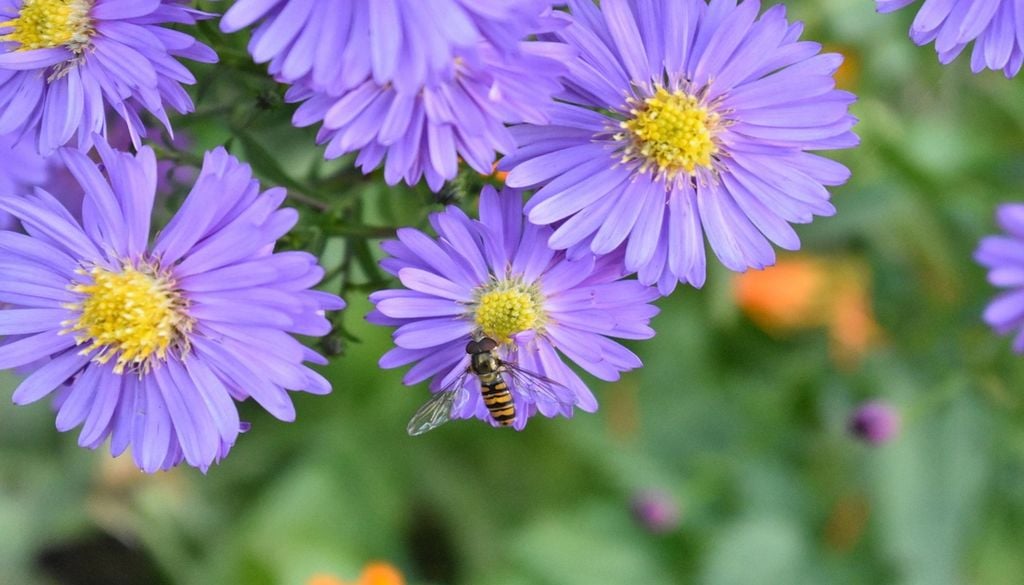
Michaelmas daisies (Symphyotrichum novi-belgii) feature a beautiful yellow-gold core disc framed by dense, daisy-like bursts of vivid purples, lilacs, pinks, and sharp whites. Their open flower heads serve as ideal landing spots for migrating butterflies and late-season bumblebees, making them a certified RHS Plant for Pollinators champion. They provide a critical nectar source foraging insects trying to refuel before winter's deathly cold comes in, creating a beautiful, colourful mat in the yard.
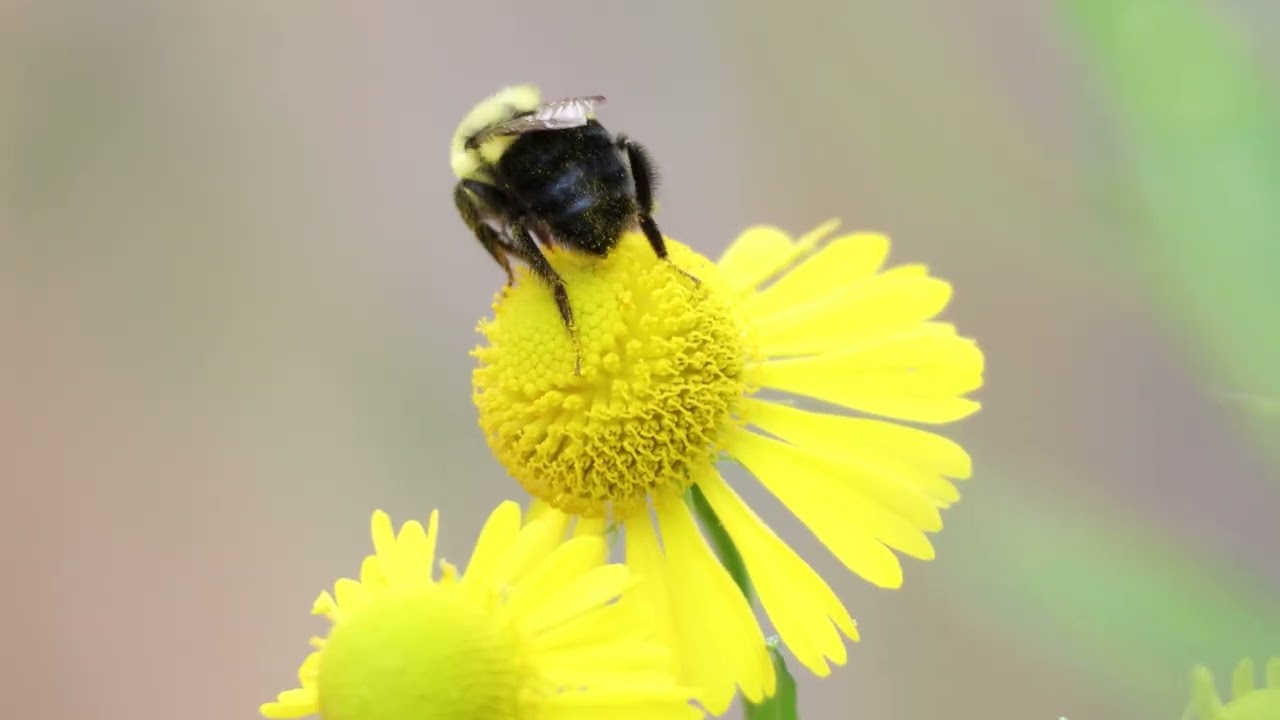
This next plant provides the garden with genuine autumnal warmth. In particular, autumn neezeweed (Helenium autumnale) is praised for flowering from August through October, right in the middle of autumn. It yields a large number of sunshine-yellow daisy flowers with characteristic wedge-shaped petals that frame a ball-shaped central disc. This hardy perennial, which may reach a height of one metre, is a great late-autumn pollinator sanctuary for bees and butterflies and grows well in moist areas in regular borders. The best part is that it will maintain your autumn borders vibrancy without aggravating hay fever, because it is pollinated by insects and not the wind.