
The 5 most unusual plants to grow at home: They look like they're from another planet!
From spherical algae to succulents that look like stones: five species to grow at home that showcase the extraordinary adaptations the plant kingdom has developed to thrive in Earth's most diverse environments.
Throughout their evolution, plants have developed numerous adaptations to survive in some of Earth's most diverse environments: arid deserts, tropical forests, bare rocks, and even aquatic habitats. The result is an extraordinary variety of shapes, growth habits, and survival strategies, some of which stand out for their unusual appearance. Many of these remarkable species are now prized as ornamental houseplants and can be grown indoors, provided their specific needs are met. Here are five of the most unique.
1. Marimo: the mysterious "green sphere" of the aquatic world
The marimo (Aegagropila linnaei) is a unique filamentous green algae that naturally grows into soft, velvety spheres.
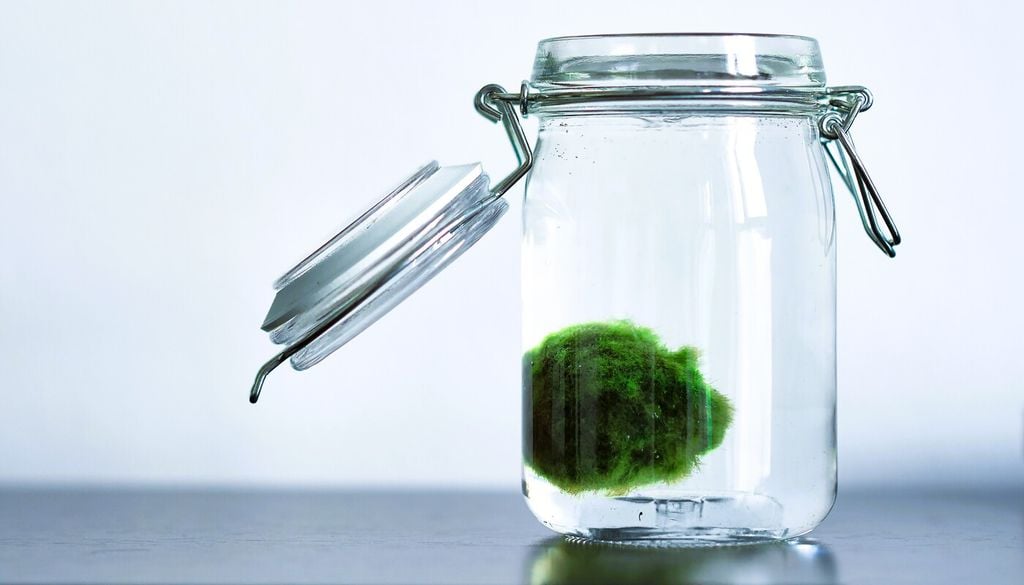
Native primarily to cold lakes in the Northern Hemisphere, its distinctive shape forms as gentle water currents slowly roll the algae across the lakebed, allowing it to grow evenly. Indoors, it is typically kept in clear containers filled with water, where it becomes a living decorative feature. It requires very little maintenance: clean water, protection from direct sunlight, and regular water changes are enough to keep it healthy.
2. Tillandsia: the plant that lives without soil
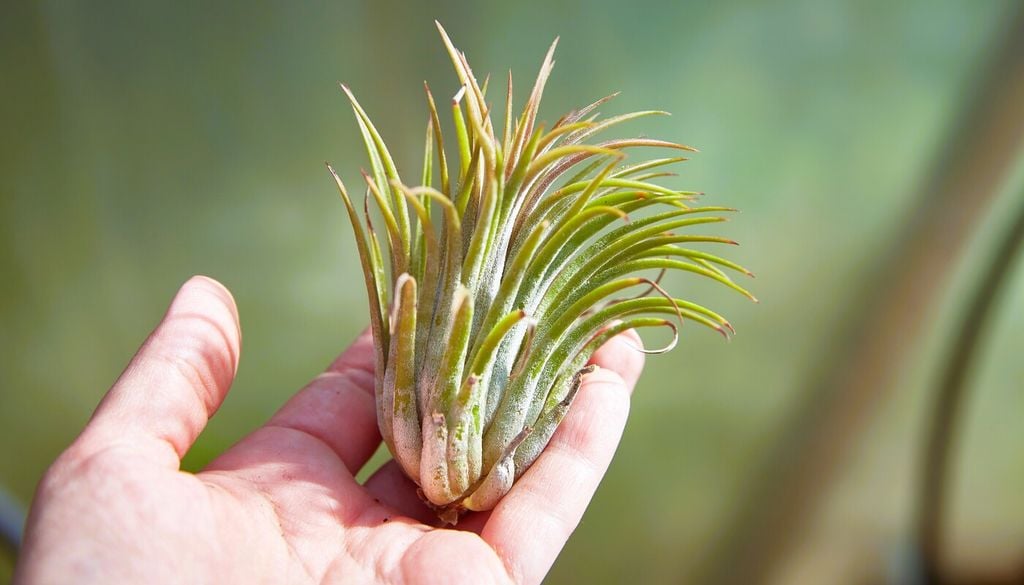
Tillandsias are plants belonging to the bromeliad family and are especially common in the tropical and subtropical regions of the Americas.
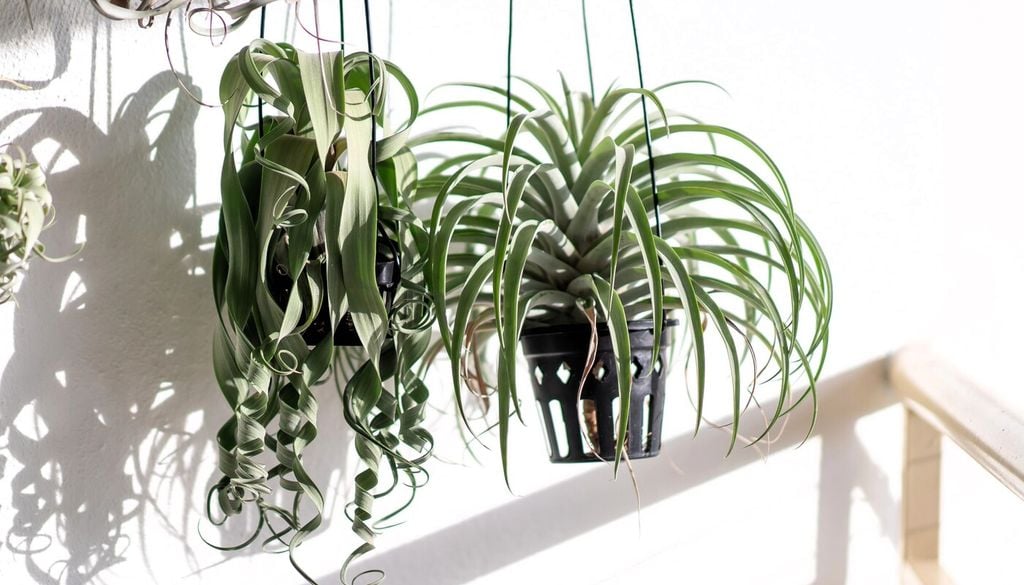
In nature, many species grow as epiphytes, meaning they use other plants for support without being parasitic. Their most fascinating feature is the lack of a root system for absorbing nutrients from the soil. Instead, they take in water and nutrients mainly through their leaves, which are covered with specialized structures called trichomes. To grow them successfully, all they need is a bright location, good air circulation, and regular misting or watering while avoiding excess moisture.
3. Rose of Jericho: the plant that can "come back to life"
The Rose of Jericho (Selaginella lepidophylla) is a species native to the desert regions of Mexico and the southwestern United States.
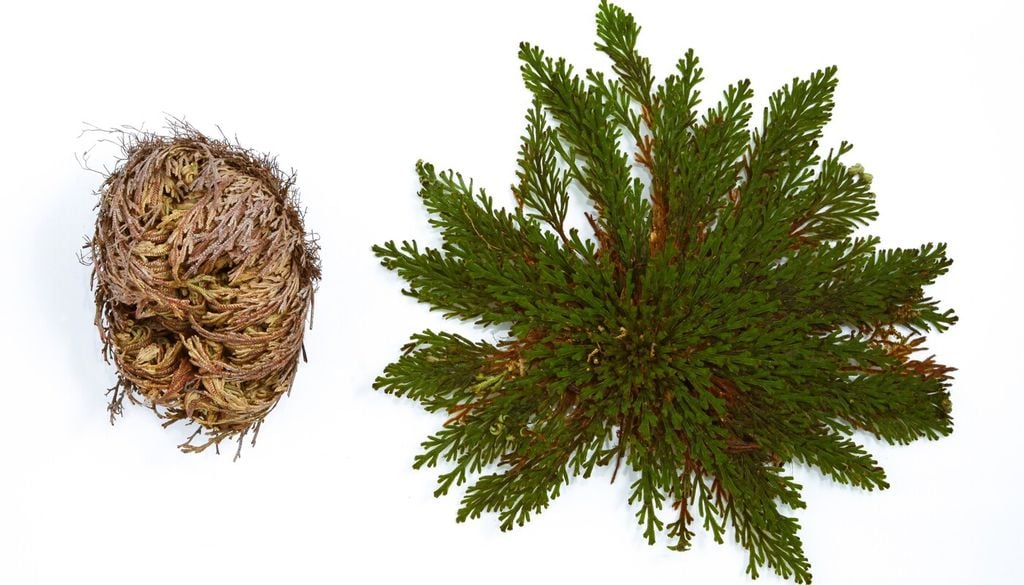
During prolonged droughts, it can dry out completely, curling its leaves inward until it resembles a small brown ball. When exposed to water again, it gradually regains its green color through an adaptation known as resurrection.
For this reason, it has become one of the most intriguing plants to keep indoors. However, it should be grown carefully: it should not remain submerged in water for extended periods and needs regular dry intervals to prevent rotting.
4. Lithops: the desert's "living stones"
Lithops are small succulent plants native to the arid regions of southern Africa.
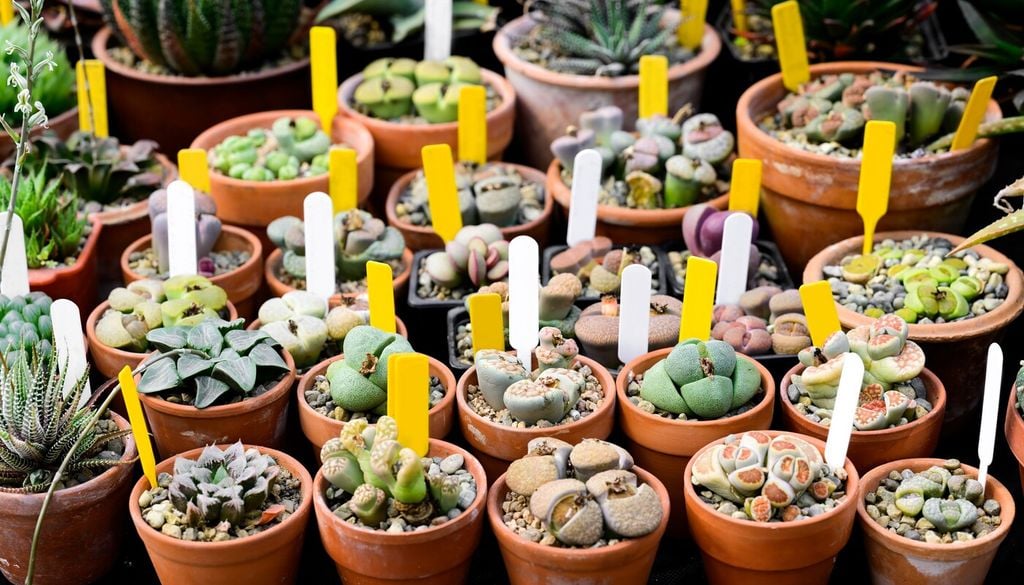
Their appearance resembles small colorful stones, providing excellent camouflage from herbivores while helping reduce water loss.
Growing them indoors requires conditions similar to their natural habitat: plenty of light, well-draining soil, and very little watering. Too much water is the greatest threat to these plants, which have evolved to survive in extremely dry environments.
5. Platycerium: the fern with spectacular fronds
Platycerium, commonly known as the staghorn fern, is a tropical plant recognized for its large, unusually shaped fronds.
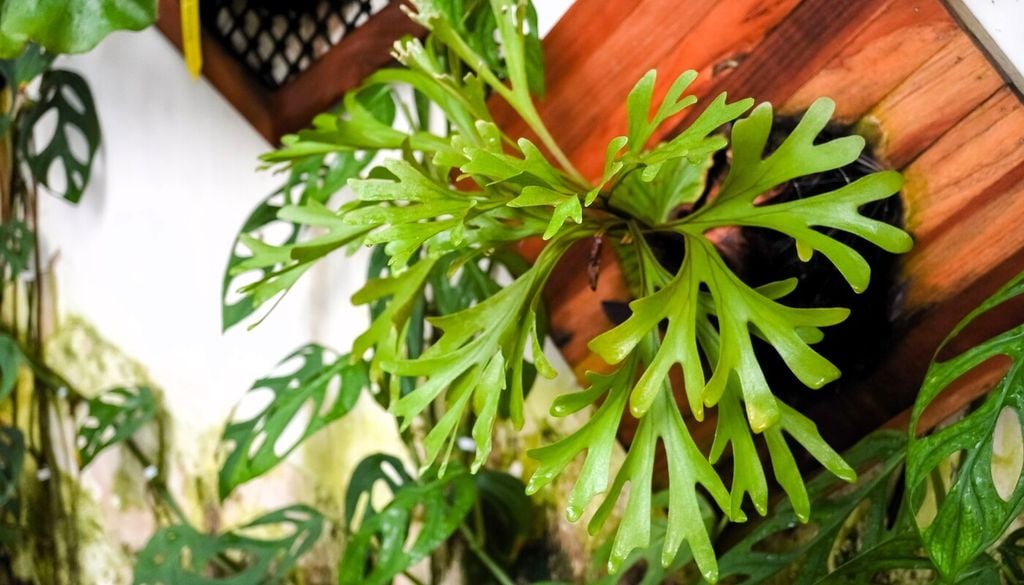
Native to forests in Asia, Africa, and Australia, it typically grows on trees as an epiphyte. Its fronds serve different purposes: some are branching and capture sunlight, while others cling tightly to the host and help collect nutrients and moisture. Indoors, it thrives in bright locations away from direct sunlight, with high humidity and moderate watering.
A touch of originality for your home
Behind the unusual appearance of these plants lie adaptations that evolved over millions of years. These remarkable traits make them not only fascinating to observe but also unique houseplants that can add a distinctive touch to any indoor space.