
The homemade insecticide that is easy to prepare and helps control aphids, mealybugs, and whiteflies
Sticky leaves, damaged shoots, or tiny hidden insects may indicate a pest infestation. But before your plant is at risk, there is a simple solution you can try to protect it.
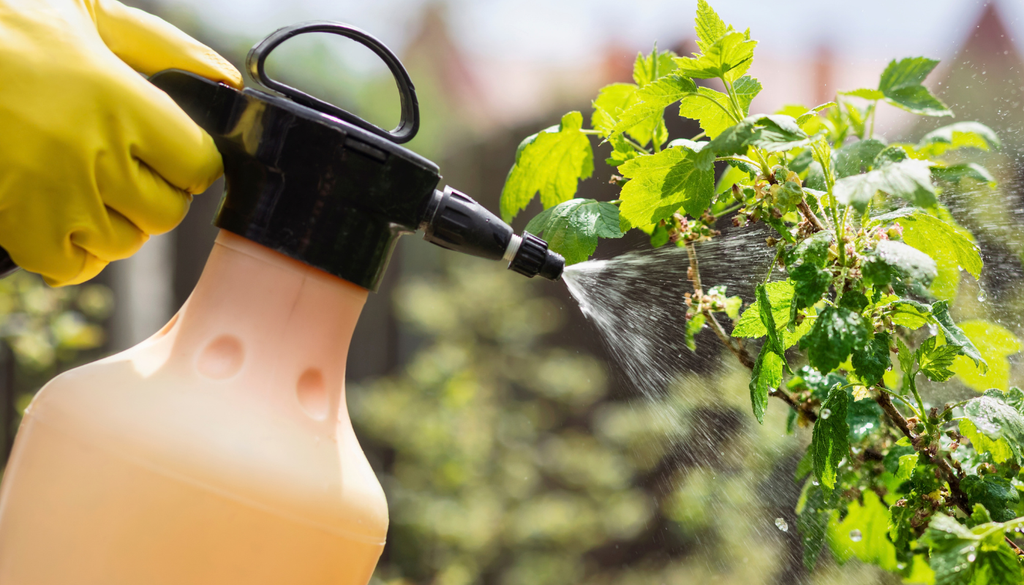
Anyone who has ever cared for a plant knows that sooner or later, an unwanted visitor is bound to appear. Sometimes it happens in a pot on the balcony, other times in the garden, or even on a houseplant that seemed perfectly healthy.
Suddenly, the leaves feel sticky, new shoots start looking unusual, or tiny insects appear hidden among the stems and beneath the foliage. That's when it's time to take a closer look, because aphids, mealybugs, or whiteflies could be behind these warning signs.
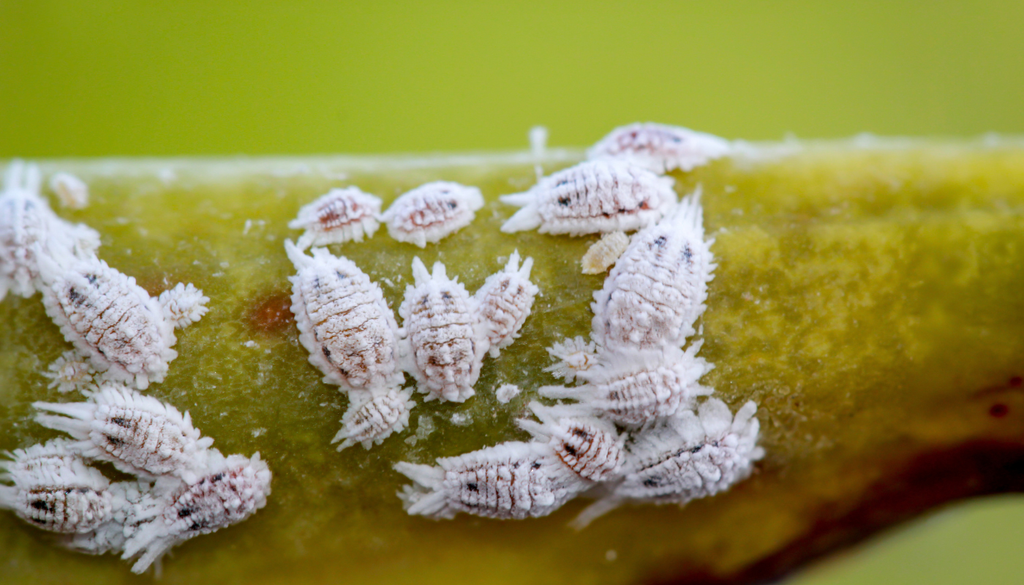
Identifying them is not particularly difficult. Aphids tend to gather on tender new shoots and may be green, yellow, black, or even red. Mealybugs look like tiny pieces of cotton attached to stems and leaves, while whiteflies usually hide beneath leaves, with adults flying away when the plant is disturbed.
If an infestation is just beginning, you don't always need to turn to harsh products. Potassium soap can help control aphids, whiteflies, and certain mealybugs, especially when insect populations are still small. However, the product must come into direct contact with the pests to work effectively.
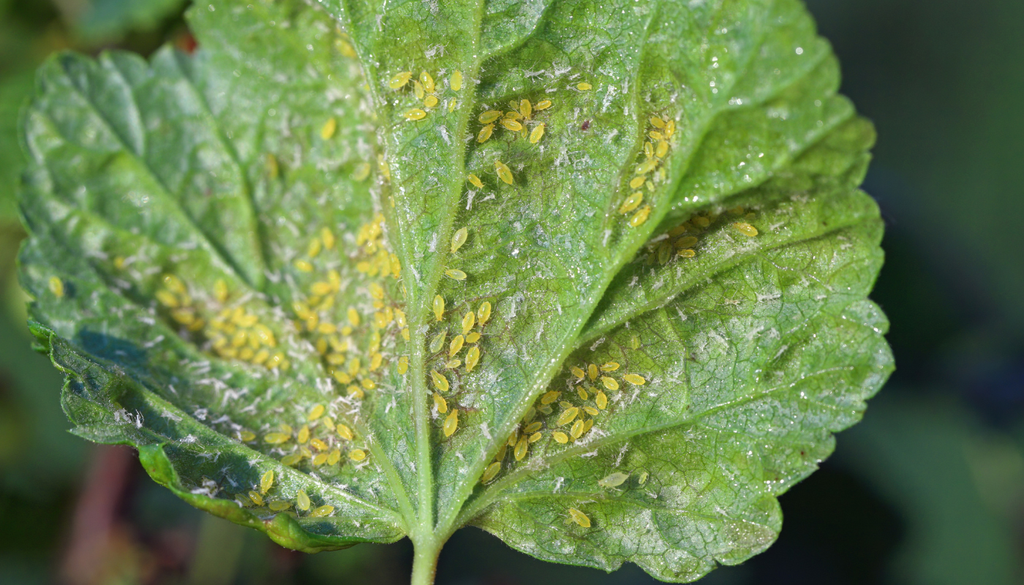
Preparing it is very simple. All you need is water, potassium soap, and a spray bottle. In just a few minutes, you can prepare a mixture to apply to leaves, stems, and especially the undersides of leaves, where many of these pests tend to hide.
Potassium soap spray: Simple, but proper preparation matters
Potassium soap works because it contains fatty acids that disrupt the membranes and protective outer layers of small, soft-bodied insects, causing them to lose water rapidly.
However, there is something important to keep in mind: potassium soap works primarily when it comes into direct contact with the pests. It does not provide protection that remains active throughout the week, so thorough application and follow-up treatments are essential for better results.
How to prepare it
Ingredients:
- 1 liter of water.
- Potassium soap or insecticidal soap labeled for use on plants.
- A clean spray bottle.
Preparation:
- First, check the recommended dosage on the soap's label, as concentrations can vary between brands.
- As a reference, a 1% solution contains 10 ml per liter of water, while a 2% solution contains 20 ml.
- Add the soap to the water and mix gently without creating too much foam.
- Pour the mixture into the spray bottle and use it immediately.
Avoid misleading advice on social media suggesting that you add dish detergent, bleach, or degreasers to make the mixture stronger. These products may contain substances that damage plant leaves, so it is best to use only soap specifically formulated for plants.
Before spraying the entire plant, test the mixture on one or two leaves and wait 24 to 48 hours. If no spots, burns, or other signs of damage appear, you can proceed with the rest of the plant. This simple precaution helps prevent problems, especially with plants that have more sensitive leaves.
How to apply it for the best results
For this treatment to work effectively, it must come into direct contact with the insects. Simply spraying the top of the plant is not enough. Check new shoots, stems, leaf joints, and especially the undersides of leaves, where aphids, mealybugs, and whiteflies often hide.
It is best to apply the spray early in the morning or late in the afternoon, when sunlight is less intense. Avoid spraying during extreme heat or when the plant is dehydrated. If pests are still present after a few days, you can repeat the treatment every 4 to 7 days, always monitoring how the plant responds.
For mealybugs, you can first remove any visible insects with a cotton swab before applying the soap. For whiteflies, yellow sticky traps can help detect and reduce adult populations, although you should also inspect the leaves because immature whiteflies remain attached to their undersides.
Prevention also makes a big difference. Avoid overfertilizing, especially with nitrogen, because it can encourage tender new growth that attracts certain sap-feeding insects. Inspect your plants daily and avoid removing beneficial insects such as ladybugs and lacewings, which naturally feed on aphids.
Potassium soap is a useful option for urban gardening. It is not a miracle product, but when applied correctly and consistently, it can be very effective in keeping your garden healthy and thriving. Checking your plants every few days remains the best way to catch problems before they get out of control.